Kabul.


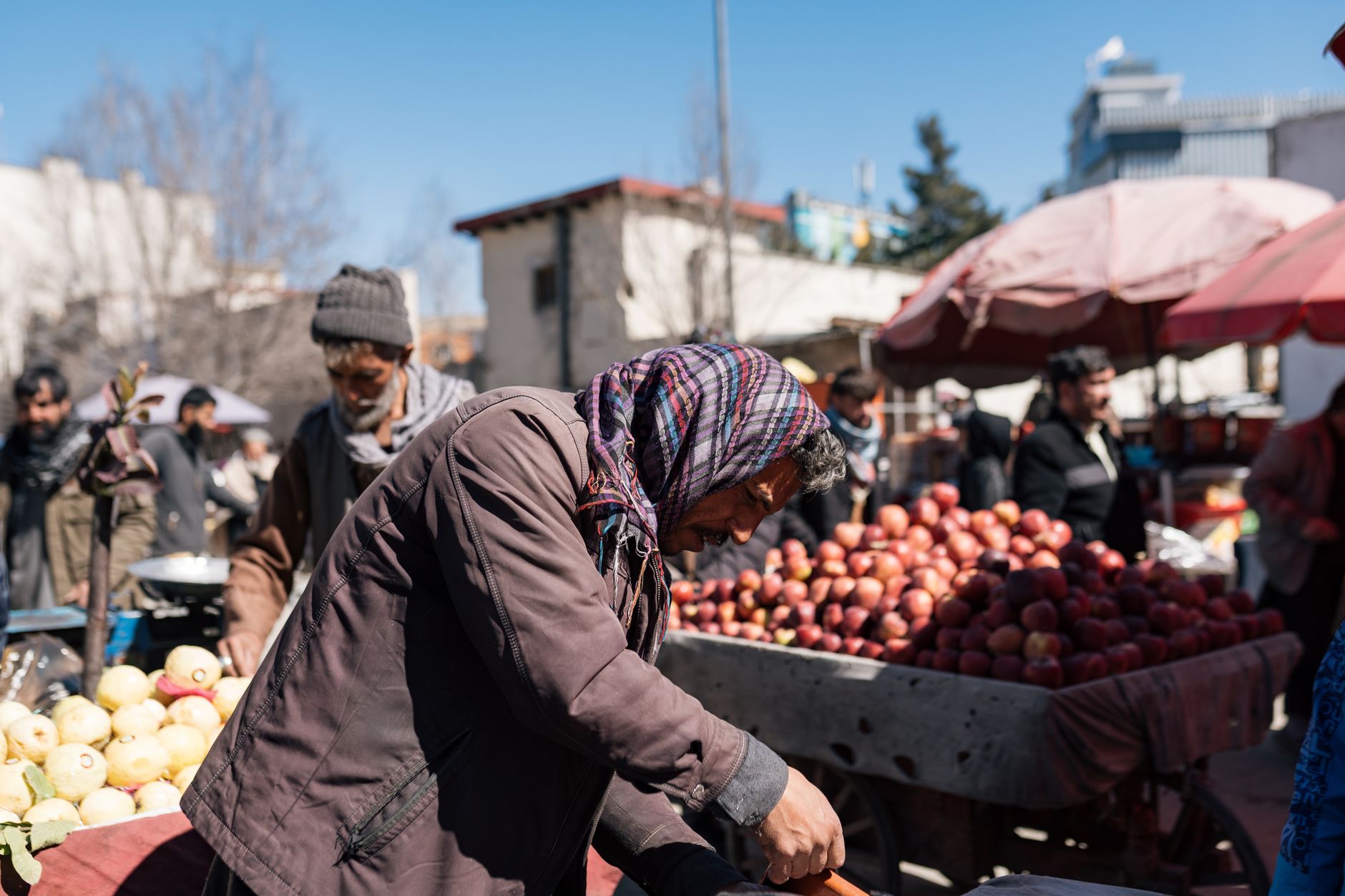
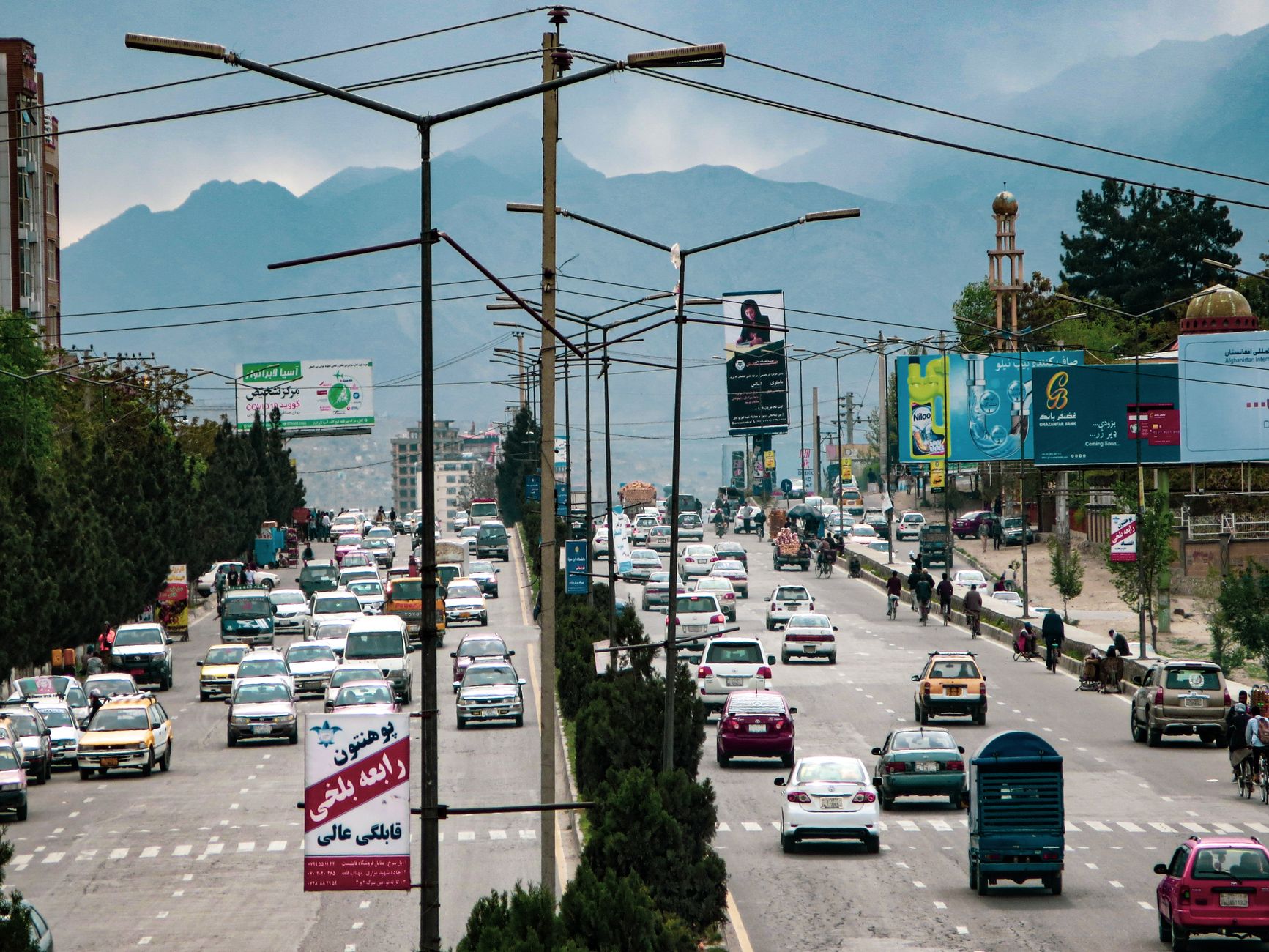
Kabul sits in an arid high-altitude basin along the Kabul River, five kilometres south of Kabul International Airport. Afghanistan's capital is known for the sixteenth-century terraced gardens of Babur and the bustling craft bazaars of the old city. Kabul is worth visiting if you want to explore Mughal architecture, wander historic bird and copper markets, and eat Kabuli pulao at traditional street side tables. Look elsewhere if you expect casual resort amenities, active nightlife, or predictable transport.
Last updated 14 Oct 2026
Build a Kabul itinerary.
Choose up to 4 threads that pull you in. Your plan arrives organised around them.
The Bed
Where to stay in Kabul
Which part of town to book, and what each one costs you in walking, noise or quiet.
The Comparison
Kabul, or somewhere near it
The places you are realistically choosing between, and the honest case for each.
The Local Record
Where to read more about Kabul
The blogs, boards, guides and operators worth bookmarking.
What to do in Kabul Kabul Afghanistan
Life in Kabul follows the rhythms of the Kabul River valley, between morning tea in Shor Bazaar and evening walks across Babur's terraced gardens. The city rewards travellers who appreciate rugged high-altitude landscapes, centuries of Central Asian trade routes, and hearty communal dining. Days revolve around visiting craft quarters, wandering historic market lanes, and eating seasoned mutton stews alongside hospitable shopkeepers.
24 hours in Kabul Kabul Afghanistan
Spend the morning walking the shaded terraces of Bagh-e Babur before heading to Ka Faroshi bird market by noon. Lunch on Kabuli pulao with mutton at a central dining hall, then spend two hours among the woodcarvers of Murad Khani. End the day watching the sunset from Bibi Mahro Hill. Select 1 Day above to see it.
2 days in Kabul Kabul Afghanistan
A second day takes you south to the restored Darul Aman Palace and the Gandharan sculptures inside the National Museum of Afghanistan. Stop for hot bolani from a street stall, then trace the ancient ramparts of Bala Hissar above the old town before evening cardamom tea in Mandawi bazaar. Choose 2 Days to expand the plan.
3 days in Kabul Kabul Afghanistan
A third day allows an unhurried morning drive to the village of Istalif, famous for its wood-fired blue pottery and hillside orchards. Return to Kabul for slow-simmered lamb korma, followed by an afternoon admiring the yellow Italianate facade of Shah-Do Shamshira Mosque.
Kabul Kabul Afghanistan itineraries by interest
Historic Gardens in Kabul Kabul Afghanistan
Walk the marble terraces and fruit orchards of Bagh-e Babur, laid out in 1528 as the final resting place of the first Mughal emperor.
Street Food in Kabul Kabul Afghanistan
Grab fried bolani flatbreads stuffed with leeks and potatoes, charred lamb seekh kebabs, and deep-fried fish along the Kabul River embankments.
Traditional Markets in Kabul Kabul Afghanistan
Navigate Ka Faroshi bird market for songbirds, Murad Khani for restored woodwork, and Mandawi bazaar for dried mulberries, saffron, and nuts.
Rice Traditions in Kabul Kabul Afghanistan
Order Kabuli pulao, slow-cooked basmati rice tinted with browned onions, layered with tender mutton, and topped with fried raisins and carrots.
Sacred Architecture in Kabul Kabul Afghanistan
Visit the Shah-Do Shamshira Mosque, a two-storey Italianate yellow building beside the river, and the vast blue-domed Abdul Rahman Mosque.
Hilltop Panoramas in Kabul Kabul Afghanistan
Climb Bibi Mahro Hill or the old city ramparts of Koh-e Sherdarwaza for expansive views across the entire high-altitude valley and terracotta roofs.
Craft Traditions in Kabul Kabul Afghanistan
Watch woodcarvers and miniature painters at Turquoise Mountain workshops in Murad Khani, alongside metalsmiths hammering copper bowls in Shor Bazaar.
Tea Culture in Kabul Kabul Afghanistan
Sit in traditional chaikhanas for cups of green chai or cardamom-scented qaimaq chai served alongside roasted chickpeas and sweet sugar candy.
Ancient Fortifications in Kabul Kabul Afghanistan
Trace the fifth-century stone and mud-brick Bala Hissar fortress walls that climb the steep ridgeline guarding Kabul's southern approaches.
Museum Collections in Kabul Kabul Afghanistan
Tour the National Museum of Afghanistan in Darulaman, home to Gandharan Buddhist stone sculptures, Bactrian gold relics, and Islamic pottery.
Palatial Architecture in Kabul Kabul Afghanistan
View Darul Aman Palace, a neoclassical 1920s royal residence designed by German architects and recently restored on the city's southwest fringe.
Day Trips in Kabul Kabul Afghanistan
Drive two hours north to the lush green orchards and fast-flowing rivers of the Panjshir Valley or the mountain bazaars of Istalif for turquoise pottery.