Kendwa.


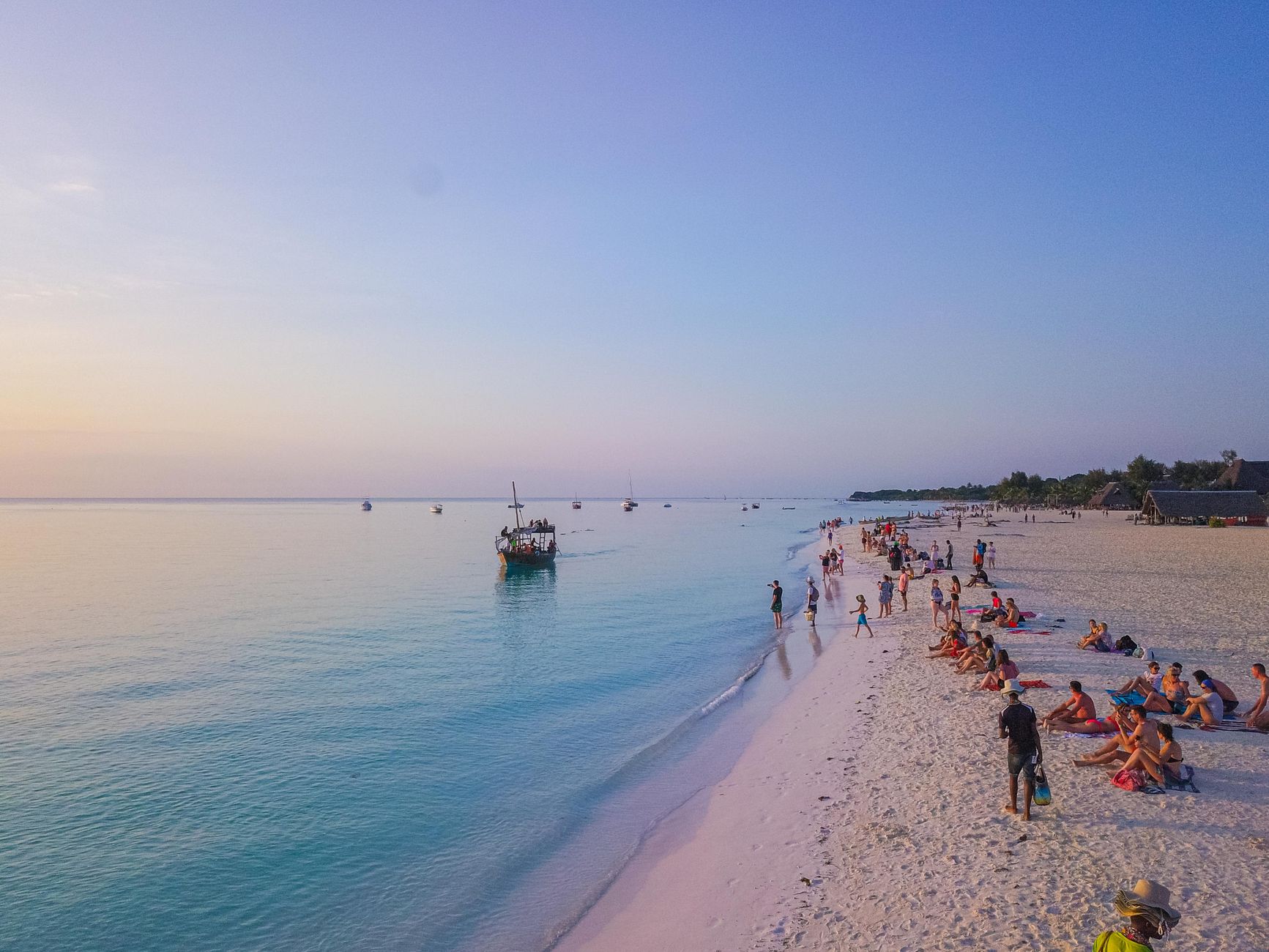
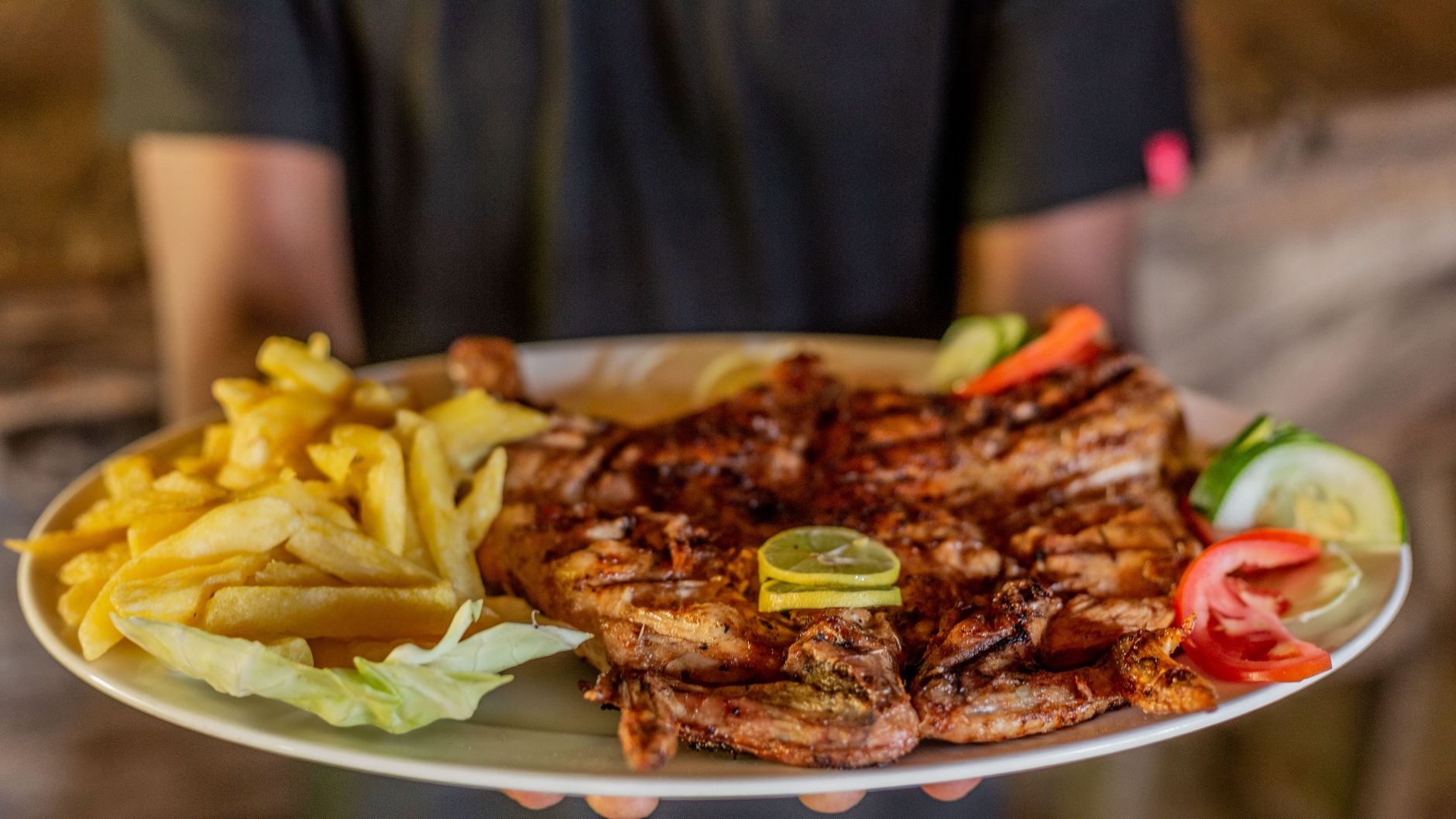
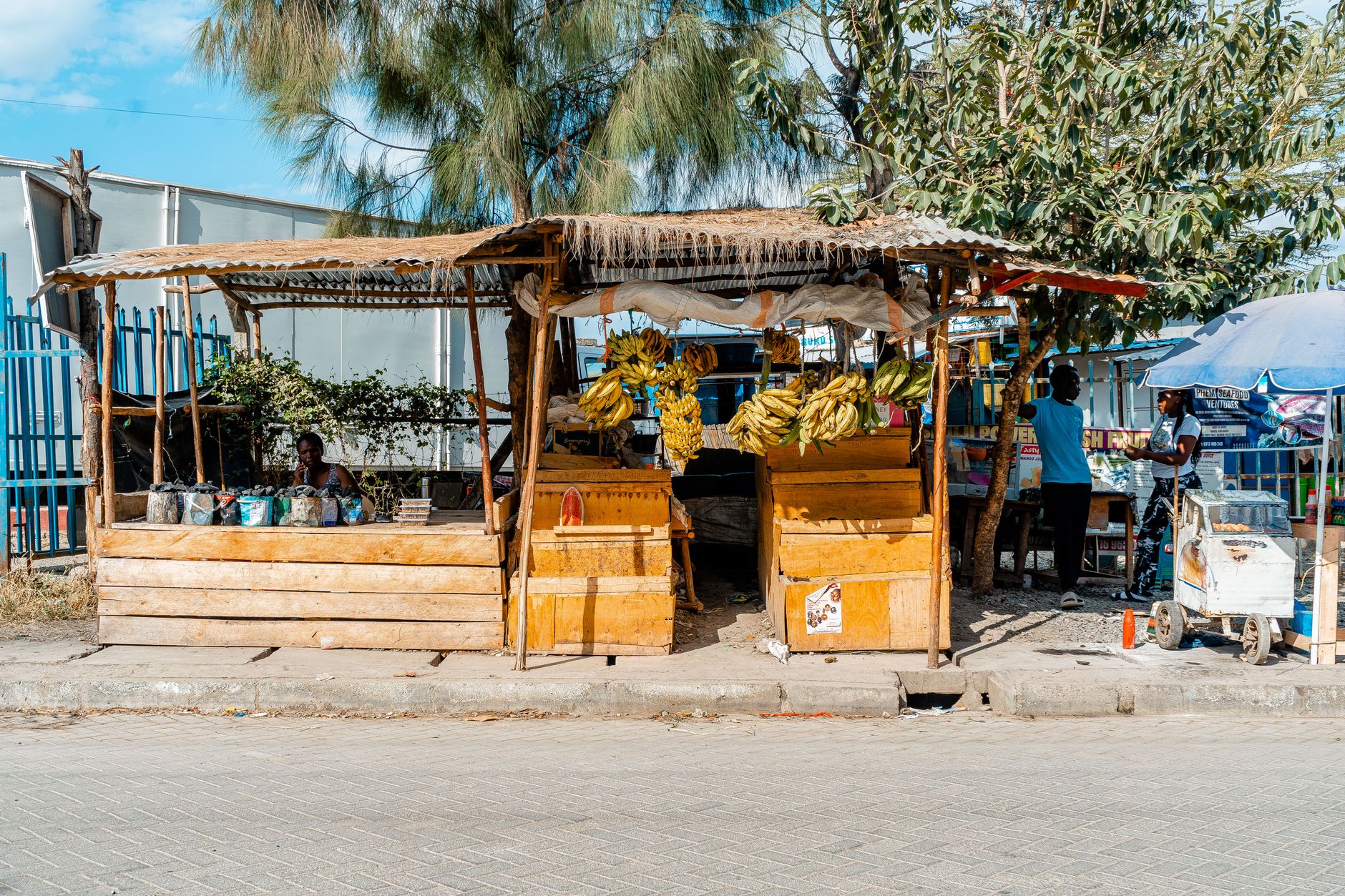
Kendwa sits sixty kilometres north of Stone Town, roughly a ninety-minute drive from the international airport. It is known across Zanzibar for wide white sand and deep coastal water that permits swimming at all tide levels. Kendwa is worth visiting if you want effortless all-day swimming in calm water alongside fresh grilled seafood on the sand. Look elsewhere if you want historic stone architecture, secluded wild coastlines, or paved urban walking streets.
Last updated 30 Oct 2026
Build a Kendwa itinerary.
Choose up to 4 threads that pull you in. Your plan arrives organised around them.
The Bed
Where to stay in Kendwa
Which part of town to book, and what each one costs you in walking, noise or quiet.
The Comparison
Kendwa, or somewhere near it
The places you are realistically choosing between, and the honest case for each.
The Local Record
Where to read more about Kendwa
The blogs, boards, guides and operators worth bookmarking.
What to do in Kendwa Zanzibar North Tanzania
The rhythm in Kendwa is dictated by the water, the sun, and very little else. The village sits quietly uphill, while daily life hugs the broad sand below. Because the reef drops steeply, you never suffer the long mud-flat retreats common elsewhere in Zanzibar. It suits travellers who want easy ocean swimming, unpretentious seafood dinners cooked over charcoal, and lazy afternoons watching wooden boats glide past.
24 hours in Kendwa Zanzibar North Tanzania
Start with an early swim before the heat rises, then grab fresh tropical fruit from roadside stalls inland. Spend the afternoon resting on the sand or paddling a kayak out along the headland. At dusk, sit down at a shore shack for grilled octopus and spiced rice as the sun sinks into the sea. Select 1 Day above to see it.
2 days in Kendwa Zanzibar North Tanzania
Walk north to neighbouring Nungwi during low tide, arriving in time to see boatbuilders carving wooden dhows with hand tools. Stop at a local cafe for coconut bean stew and chapati before walking back or taking a short three-dollar boat ride around the point when the tide fills in. Choose 2 Days to expand the plan.
3 days in Kendwa Zanzibar North Tanzania
Charter a morning dhow out to the reefs off Tumbatu Island or Mnemba Atoll for snorkeling over pristine coral gardens. Return for a quiet afternoon inland visiting spice smallholders, followed by a slow dinner of whole kingfish baked with Zanzibar masala and tamarind.
Kendwa Zanzibar North Tanzania itineraries by interest
Local Seafood in Kendwa Zanzibar North Tanzania
Watch fishermen bring in kingfish, octopus, and red snapper, then order them char-grilled with coconut rice and pili pili sauce at rustic beach shacks.
Boat Excursions in Kendwa Zanzibar North Tanzania
Board a hand-hewn wooden dhow at the water line for a calm sail out to the sandbanks of Mnemba Atoll or the calm waters around Tumbatu Island.
Diving & Snorkelling in Kendwa Zanzibar North Tanzania
Head out to Kendwa Reef and Coral Garden to spot green sea turtles, blue-spotted rays, and moray eels in visibility reaching twenty metres.
Coastal Walks in Kendwa Zanzibar North Tanzania
At low tide, walk the two-kilometre sandy strip north to Nungwi, passing boat repairers and tide pools, before the afternoon water cuts off the path.
Village Life in Kendwa Zanzibar North Tanzania
Step inland behind the resorts into Kendwa village to find modest coral-rag homes, small shops selling fresh samosas, and shade beneath baobabs.
Craft Traditions in Kendwa Zanzibar North Tanzania
Watch local boatwrights shape dhow ribs by hand using wild teak, simple adzes, and coconut husk caulking directly on the open sand.
Sunset Viewing in Kendwa Zanzibar North Tanzania
Position yourself on the west-facing beach by five-thirty with a cold spiced tea or local lager to watch late dhows cross the glowing horizon.
Markets & Produce in Kendwa Zanzibar North Tanzania
Browse small fruit stalls along the main road for red bananas, jackfruit, sweet pineapples, and fresh madafu coconuts cracked open on the spot.
Day Trips in Kendwa Zanzibar North Tanzania
Take a twenty-minute taxi to Nungwi to tour the natural turtle sanctuary and the busy central fish market where daily afternoon auctions take place.
Beach Life in Kendwa Zanzibar North Tanzania
Enjoy broad, soft coral sands where water remains deep and calm enough for swimming through high and low tide without stepping on shallow sea urchins.
Street Food in Kendwa Zanzibar North Tanzania
Pick up fresh cassava chips seasoned with salt and lime, grilled corn on the cob, and fried urojo soup from vendors along the inland access road.
Nightlife in Kendwa Zanzibar North Tanzania
Gather at beachside venues for live drumming sessions and the monthly full moon gathering that draws revellers from across the archipelago.