.jpg)


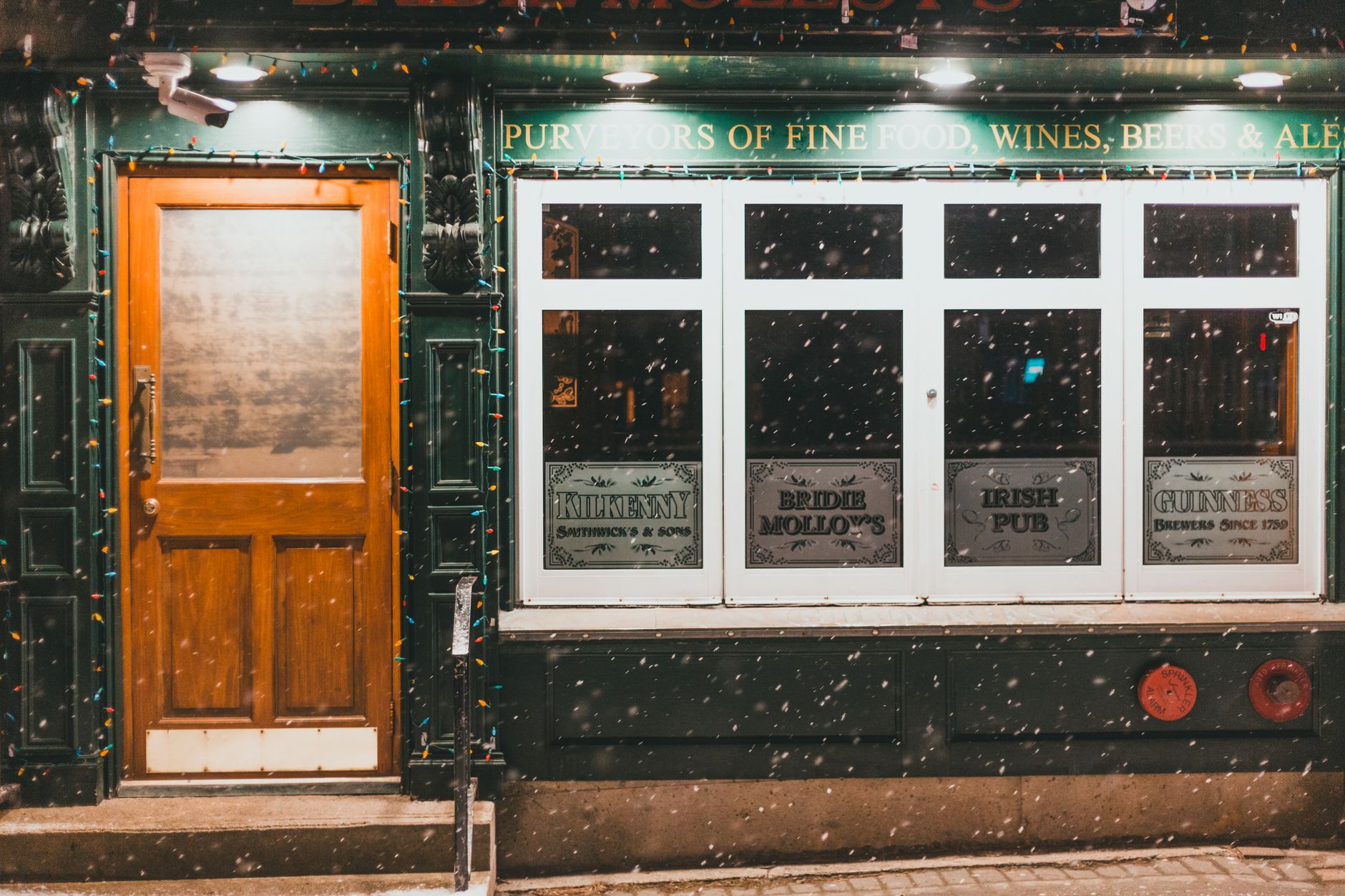
Black limestone underfoot turns slick with damp river air the moment you cross the Nore. Kilkenny compresses eight centuries of Anglo-Norman power and brewing into a tight, walkable spine called the Medieval Mile. You get castle gardens at one end, a twelfth-century cathedral at the other, and narrow cobbled slips like Butter Slip cutting between them. It is compact, fiercely proud of its hurling, and entirely manageable on foot without losing your temper.
Last updated 28 Aug 2026
Build a Kilkenny itinerary.
Choose up to 4 threads that pull you in. Your plan arrives organised around them.
The Bed
Where to stay in Kilkenny
Which part of town to book, and what each one costs you in walking, noise or quiet.
The Comparison
Kilkenny, or somewhere near it
The places you are realistically choosing between, and the honest case for each.
The Local Record
Where to read more about Kilkenny
The blogs, boards, guides and operators worth bookmarking.
What to do in Kilkenny Leinster Ireland
Kilkenny is built around a single granite-and-limestone axis stretching from the castle on the hill down to Irishtown. Life here runs at a walking pace between bookshops, medieval ruins, and timber-lined public houses. It suits travellers who prefer an unhurried urban base with real trade, where you can inspect Norman masonry before lunch and settle into a back-room music session with a pint of stout before dark.
24 hours in Kilkenny Leinster Ireland
Start early at St Canice’s Cathedral before the climb up the round tower gets busy. Cut down High Street through the Butter Slip for lunch of brown bread and farmhouse chowder. Spend the afternoon in the Long Gallery at Kilkenny Castle, then take a quiet table at Cleere’s on Parliament Street for an evening of dry humor, music, and red ale. Select 1 Day above to see it.
2 days in Kilkenny Leinster Ireland
A second day lets you explore the riverbanks and the contemporary rooms of Butler Gallery at Evans’ Home. Cross Green’s Bridge into the older artisan quarters, browse the potters in the castle yard, and book an evening table at Campagne beneath the railway viaduct for roast duck and local root vegetables. Choose 2 Days to expand the plan.
3 days in Kilkenny Leinster Ireland
Day three opens up the Nore Valley. Take the short drive south to Jerpoint Abbey to inspect the medieval stone carvings, then stop in Inistioge for a quiet stroll across the ten-arch bridge. Finish in Thomastown with smoked trout and sheep's milk cheese before heading back to town.
Kilkenny Leinster Ireland itineraries by interest
Sacred Architecture in Kilkenny Leinster Ireland
Climb the ninth-century round tower at St Canice’s Cathedral for views across the Nore valley, then inspect the carved tombs of the Butler dynasty.
Castle Estates in Kilkenny Leinster Ireland
Walk the 1195 fortress grounds of Kilkenny Castle, where the fifty-acre park and Long Gallery offer a quiet reprieve from the town centre bustle.
Historic Pubs in Kilkenny Leinster Ireland
Order a pint of local red ale by the turf fire at Kyteler’s Inn or Hole in the Wall, two of the oldest watering holes in the medieval core.
Craft Traditions in Kilkenny Leinster Ireland
Visit the National Design & Craft Gallery in the castle stables, then watch potters and jewelers at work along the Kilkenny Design Centre yard.
Pub Sessions in Kilkenny Leinster Ireland
Catch unamplified fiddle and bodhran sets in the front snug of Cleere's Bar on Parliament Street, where the music starts casually around nine.
Local Cheese in Kilkenny Leinster Ireland
Taste raw milk Knockdrinna goat cheese and aged lavistown wheels at the Thursday farmers market on The Parade beside the castle gates.
Historic Lanes in Kilkenny Leinster Ireland
Duck through Butter Slip and Mary’s Lane, fourteenth-century vaulted passageways that once housed dairy merchants and silk vendors.
Brewing Heritage in Kilkenny Leinster Ireland
Trace three centuries of ale production at the Smithwick’s Experience on St Francis Abbey, finishing with a poured red ale in the taproom.
River Walks in Kilkenny Leinster Ireland
Follow the Nore Valley Park trail from John’s Bridge down to the ruins of Talbot’s Inch, shaded by mature beech and willow trees along the bank.
Local Sport in Kilkenny Leinster Ireland
Watch Kilkenny's black and amber teams play hurling at Nowlan Park, where fast ash sticks and sliotar passes define local weekend culture.
Contemporary Art in Kilkenny Leinster Ireland
Head to the Butler Gallery at Evans’ Home, a former seventeenth-century almshouse converted into light-filled exhibition rooms and sculpture gardens.
Day Trips in Kilkenny Leinster Ireland
Drive twenty minutes south to Thomastown and Inistioge for ruined Cistercian abbeys, riverside walks, and stone bridges over the River Nore.