


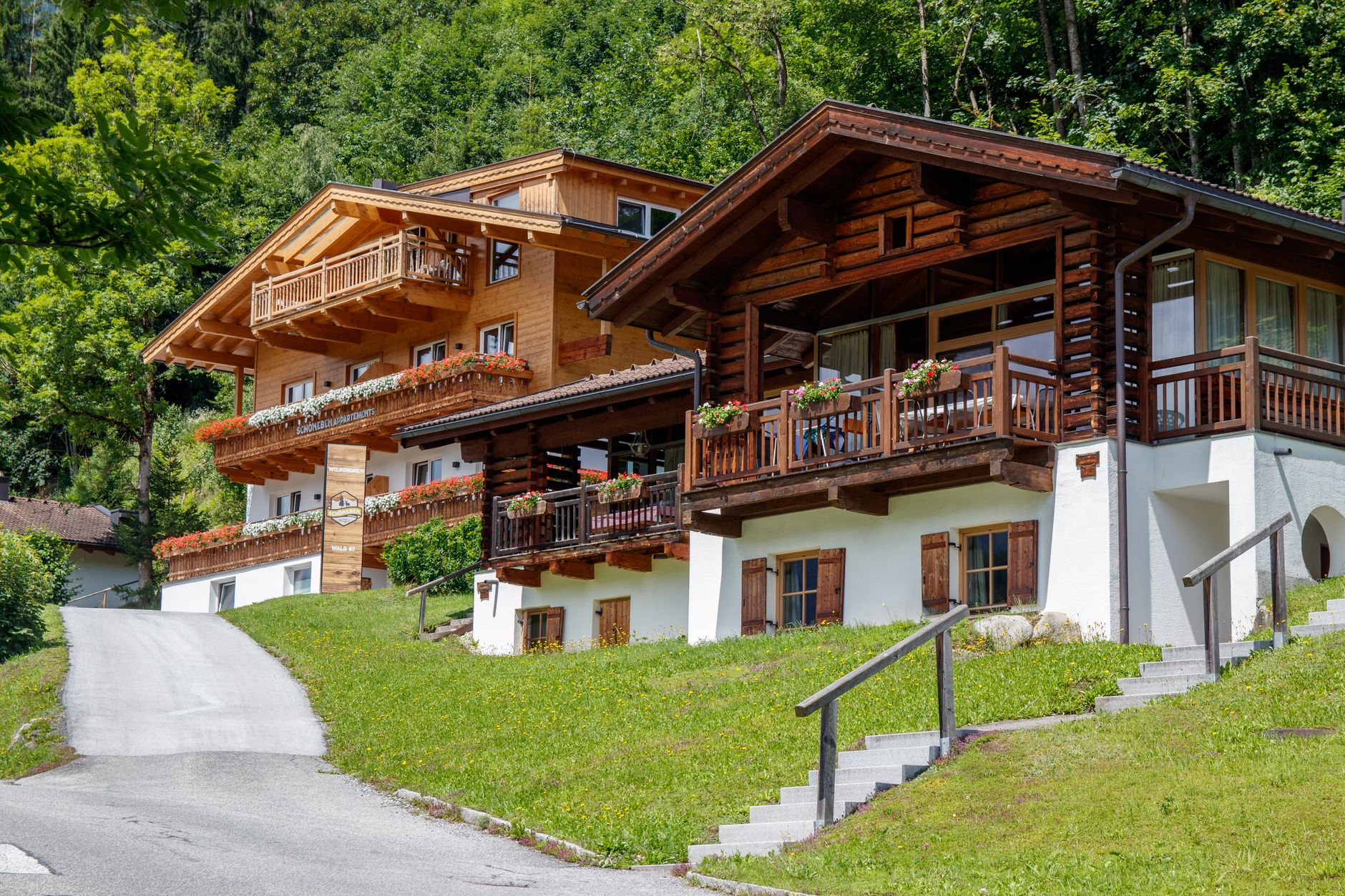
Sitting eighty minutes east of Innsbruck by regional train, Kitzbühel is known for the formidable Hahnenkamm downhill ski race and a fourteenth-century walled town centre painted in pastel lime wash. The valley combines high-altitude sports infrastructure with working dairy pastures. Kitzbühel is worth visiting if you want legendary ski terrain paired with traditional Tyrolean inn cooking. Look elsewhere if you want budget lodgings, untamed wilderness without cable cars, or late-night clubbing outside winter.
Last updated 13 Nov 2026
Build a Kitzbühel itinerary.
Choose up to 4 threads that pull you in. Your plan arrives organised around them.
The Bed
Where to stay in Kitzbühel
Which part of town to book, and what each one costs you in walking, noise or quiet.
The Comparison
Kitzbühel, or somewhere near it
The places you are realistically choosing between, and the honest case for each.
The Local Record
Where to read more about Kitzbühel
The blogs, boards, guides and operators worth bookmarking.
What to do in Kitzbühel Tyrol Austria
Kitzbühel is built along a compact medieval spine framed by the jagged Wilder Kaiser and the smooth ridge of the Hahnenkamm. Days here start with morning ascents via the Hahnenkammbahn or Hornbahn, pivot around midday mountain hut lunches, and settle into quiet strolls along the cobbled Vorderstadt. It suits travellers who appreciate well-maintained mountain trails, crisp alpine air, and the comforts of historic Tyrolean hospitality.
24 hours in Kitzbühel Tyrol Austria
Ride the Hahnenkamm cable car early to stand above the Streif start house, walking down to a sun terrace for Speckknödel. By mid-afternoon, wander the pedestrian Hinterstadt, visit the 15th-century St. Andreas Church, and finish with pan-fried trout and Grüner Veltliner at a wood-panelled Wirtshaus. Select 1 Day above to see it.
2 days in Kitzbühel Tyrol Austria
Dedicate day two to the calmer Kitzbüheler Horn. Explore the high alpine flower garden at 1,800 metres, then descend toward Schwarzsee for an afternoon walk around its dark, reflective peat waters. In the evening, try crispy Tirola Gröstl with a fried egg at a tavern in neighbouring Reith. Choose 2 Days to expand the plan.
3 days in Kitzbühel Tyrol Austria
A third day allows you to venture south into the Spertental valley near Aschau, where working dairy farms produce sharp alpine cheeses. Alternatively, board the local train to St. Johann in Tirol to explore its frescoed parish church and quiet farm lanes without the resort polish.
Kitzbühel Tyrol Austria itineraries by interest
Downhill Skiing in Kitzbühel Tyrol Austria
Tackle the icy Mausefalle on the Hahnenkamm Streif run, or cruise the broad groomers across the Kitzbüheler Horn and Steinbergkogel.
Tyrolean Cuisine in Kitzbühel Tyrol Austria
Order cast-iron Kaspressknödel floating in beef broth, followed by slow-roasted pork shoulder with caraway and warm kraut in a wooden Stube.
Mountain Hiking in Kitzbühel Tyrol Austria
Walk the flower-lined trails around the Kitzbüheler Horn alpine garden or tackle the ridge traverse toward the Bichlalm for panoramic valley views.
Alpine Lakes in Kitzbühel Tyrol Austria
Circumnavigate the peat-rich, warm waters of the Schwarzsee on foot before stopping for coffee at the lakeside bathhouse terrace.
Historic Architecture in Kitzbühel Tyrol Austria
Study the Gothic buttresses of St. Andreas Church and gabled pastel merchant townhouses along the cobbled Vorderstadt and Hinterstadt.
Local Mining History in Kitzbühel Tyrol Austria
Examine centuries of silver and copper mining artifacts, winter sports history, and Alfons Walde paintings inside the Museum Kitzbühel.
Cheese & Dairy in Kitzbühel Tyrol Austria
Sample aged Bergkäse and fresh goat curd directly from high alpine pastures like the Wildpark Aurach and valley dairies around Reith.
Day Trips in Kitzbühel Tyrol Austria
Take the short regional train down to St. Johann in Tirol for baroque church murals, or head south to the high peaks of the Hohe Tauern.
Pastry & Baking in Kitzbühel Tyrol Austria
Pair afternoon Melange coffee with fresh Zwetschgenkuchen, flaky apple strudel, or warm yeast-dough Buchteln filled with plum jam.
Road Cycling in Kitzbühel Tyrol Austria
Climb the notoriously steep, paved switchbacks of the Kitzbüheler Horn toll road, a brutal proving ground for alpine road cyclists.
Distilled Spirits in Kitzbühel Tyrol Austria
Sip clear mountain schnapps distilled from local rowanberry, stone pine, and Williams pear at small family distilleries in Brixental.
Winter Walking in Kitzbühel Tyrol Austria
Tramp cleared panoramic snow paths along the sunny bichl ridges or through the quiet woods surrounding the romantic pilgrimage chapel at Lebenberg.