Kizimkazi.



Kizimkazi lies sixty kilometres south of Stone Town, roughly an hour by taxi down the paved Fumba road. The village is split into Mkunguni and Dimbani, known for its twelfth-century Shirazi coral-rag mosque and the Menai Bay dhow fleet landing kingfish and octopus at low tide. Kizimkazi is worth visiting if you want to watch working dhow crews land the daily catch, explore early Swahili masonry, and escape resort crowds. Look elsewhere if you need beach bars, broad white sand flats, or reliable resort nightlife.
Last updated 31 Oct 2026
Build a Kizimkazi itinerary.
Choose up to 4 threads that pull you in. Your plan arrives organised around them.
The Bed
Where to stay in Kizimkazi
Which part of town to book, and what each one costs you in walking, noise or quiet.
The Comparison
Kizimkazi, or somewhere near it
The places you are realistically choosing between, and the honest case for each.
The Local Record
Where to read more about Kizimkazi
The blogs, boards, guides and operators worth bookmarking.
What to do in Kizimkazi Unguja South Tanzania
Split into two settlements, Mkunguni and Dimbani, Kizimkazi runs entirely on the rhythm of the Indian Ocean tides. Life centres on the landing beaches where wooden dhows unload their catches and women tend drying racks of farmed seaweed. It suits independent travellers who appreciate unvarnished coastal life, deep Swahili history, and quiet evenings without the noise of northern resort towns.
24 hours in Kizimkazi Unguja South Tanzania
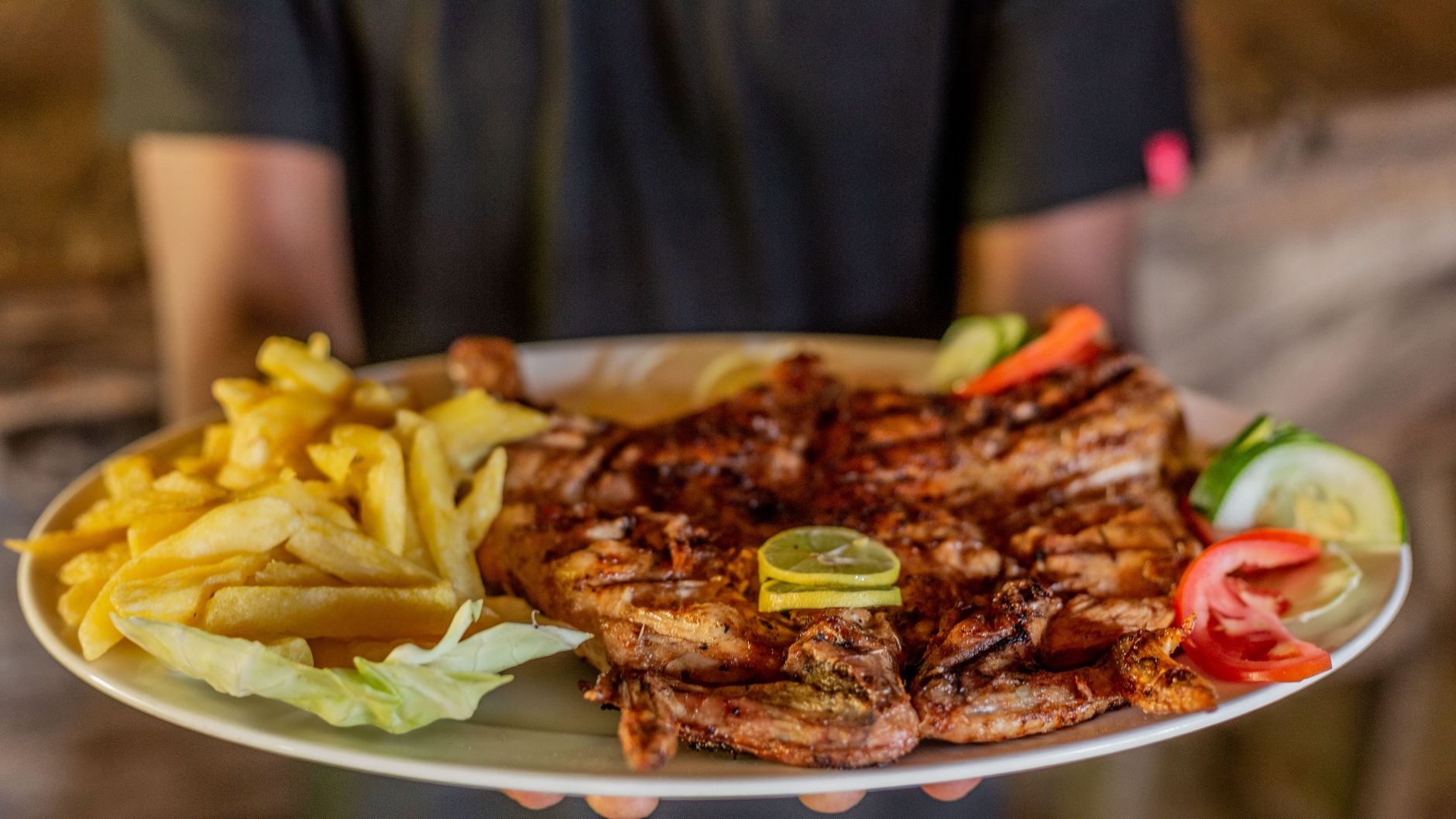
Start at dawn at Mkunguni beach as fishermen beach their outriggers. Walk ten minutes north to inspect the 1107 AD Kufic script at the Dimbani mosque before the heat sets in. For lunch, eat fresh grilled changu with coconut rice at a village banda, then watch the tide recede over the southern coral shelf. Select 1 Day above to see it.
2 days in Kizimkazi Unguja South Tanzania
A second day lets you hire a wooden boat across Menai Bay to the sandbank at Pungume Island for reef snorkeling. Return by afternoon for fresh octopus skewers from roadside charcoal braziers in Mkunguni, followed by a walk past the ancient hollow baobab trees behind the village. Choose 2 Days to expand the plan.
3 days in Kizimkazi Unguja South Tanzania
Three days allow a detour north to Jozani Forest to track endemic red colobus monkeys, followed by an unhurried afternoon learning how women tie and dry red seaweed on the intertidal flats. End the day with a bowl of rich coconut mchuzi wa pweza as dhows return against the sunset.
Kizimkazi Unguja South Tanzania itineraries by interest
Local Seafood in Kizimkazi Unguja South Tanzania
Watch dhows unload kingfish, skipjack tuna, and changu on the sand, stewed into coconut mchuzi wa samaki at village bandas.
Sacred Architecture in Kizimkazi Unguja South Tanzania
The 1107 AD Dimbani mosque retains kufic inscriptions carved into coral rag, making it one of East Africa's earliest Islamic sites.
Marine Wildlife in Kizimkazi Unguja South Tanzania
Menai Bay Conservation Area supports resident Indo-Pacific bottlenose and humpback dolphins feeding along the deep reef drop-offs.
Traditional Crafts in Kizimkazi Unguja South Tanzania
Local carpenters carve wooden outrigger ngalawa canoes and repair lateen sails using hand adzes beneath the village baobab trees.
Coastal Walks in Kizimkazi Unguja South Tanzania
Follow the low-tide ledge from Mkunguni to Dimbani across fossilised coral platforms where women harvest red seaweeds in shallow pools.
Maritime History in Kizimkazi Unguja South Tanzania
Centuries of Shiraz trade survive in local dhow-building rituals and the coral tomb pillars standing behind the old harbour wall.
Low Tide Walks in Kizimkazi Unguja South Tanzania
Wade the receding tide flats to spot blue-spotted rays, sea cucumbers, and brittle stars trapped among exposed coral heads.
Street Food in Kizimkazi Unguja South Tanzania
Order fried cassava, grilled octopus skewers, and hot vitumbua rice cakes from open griddles near the main fishing landing.
Boat Trips in Kizimkazi Unguja South Tanzania
Board wooden dhows from Mkunguni beach to snorkel the coral gardens of Pungume Island and sandbanks in the Menai Bay reserve.
Tropical Agriculture in Kizimkazi Unguja South Tanzania
Smallholdings inland cultivate cloves, cassava tubers, and coconut palms harvested for daily milk and village cooking oils.
Birdwatching in Kizimkazi Unguja South Tanzania
Tidal flats and mangrove thickets draw dimorphic egrets, crab-plovers, and sooty gulls hunting along the southern reef shallows.
Day Trips in Kizimkazi Unguja South Tanzania
Travel twenty minutes north to Jozani Chwaka Bay to track red colobus monkeys in coastal mahogany and mangrove forests.