Kosice.


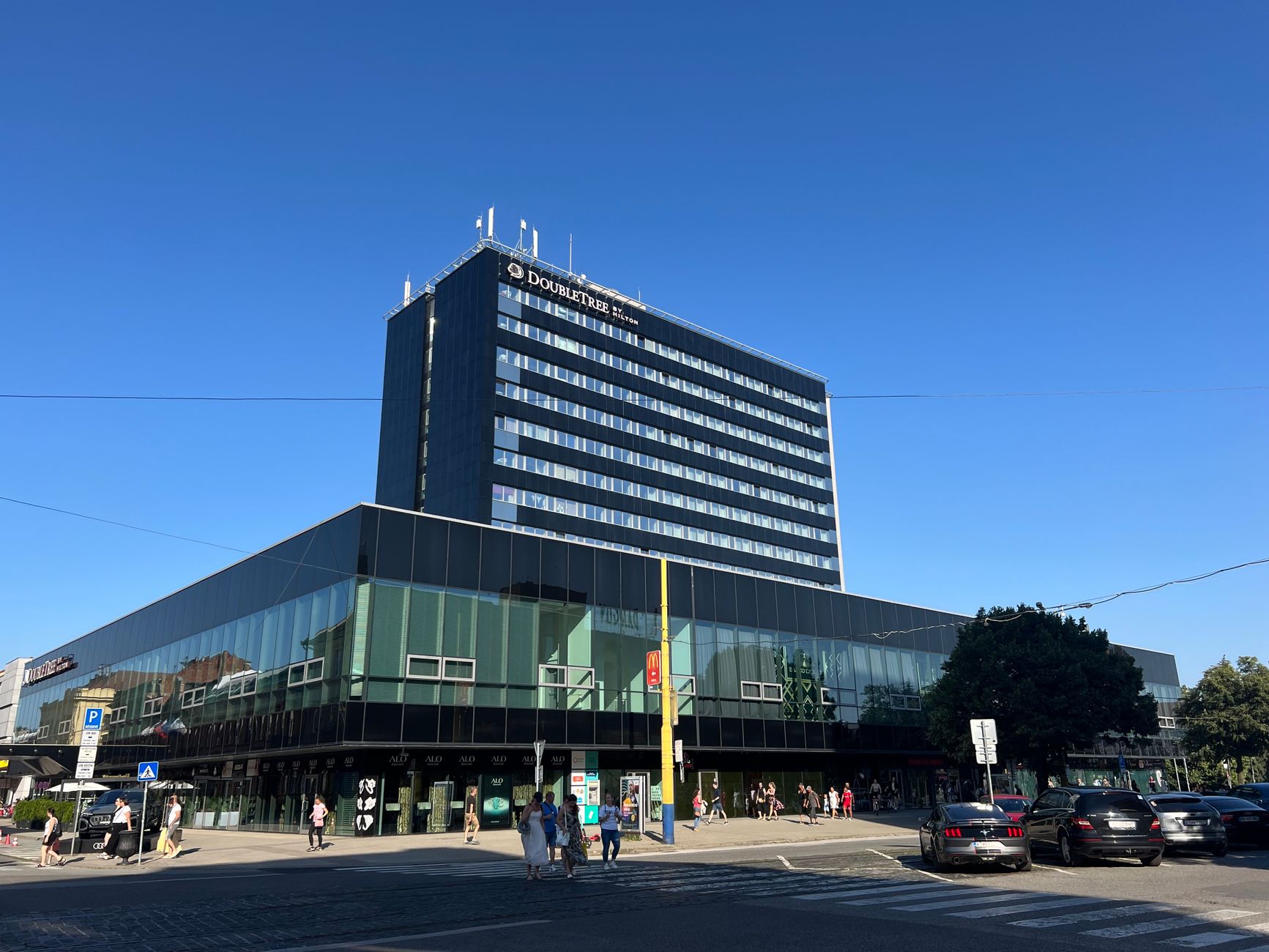


Kosice sits five hours east of Bratislava by direct train, anchored around the spindle-shaped Hlavná ulica and the monumental 14th-century St. Elisabeth Cathedral. It is eastern Slovakia's cultural hub, defined by Gothic stone, communist-era industrial transformation, and a lively café culture. Kosice is worth visiting if you enjoy central European Gothic architecture, unhurried café terraces, and robust sheep-cheese dumplings. Look elsewhere if you want high-speed alpine skiing or sprawling metropolitan nightlife.
Last updated 9 Oct 2026
Build a Kosice itinerary.
Choose up to 4 threads that pull you in. Your plan arrives organised around them.
The Bed
Where to stay in Kosice
Which part of town to book, and what each one costs you in walking, noise or quiet.
Places to stay
Central, well-rated and easy to find again. Distances are from the middle of town.
These links go to Booking.com and earn us a commission. They cost you nothing extra.
The Comparison
Kosice, or somewhere near it
The places you are realistically choosing between, and the honest case for each.
The Local Record
Where to read more about Kosice
The blogs, boards, guides and operators worth bookmarking.
What to do in Kosice Košice Region Slovakia
Kosice is shaped by its pedestrianised spine, Hlavná ulica, which widens around the cathedral and narrows toward two former city gates. Daily life moves at a relaxed pace between morning markets on Dominikánske námestie and evening pilsners in vaulted cellars. It suits travellers who appreciate walkable historic quarters, Austro-Hungarian civic architecture, and an unhurried, lived-in provincial rhythm.
24 hours in Kosice Košice Region Slovakia
Start early with espresso on Hlavná, then climb St. Elisabeth Cathedral's tower for a panoramic city view. For lunch, eat bryndzové pirohy on Dominikánske námestie. Spend the afternoon wandering Hrnčiarska's artisan shops before an evening meal of roast pork shank at Hostinec, followed by a walk past the singing fountain. Select 1 Day above to see it.
2 days in Kosice Košice Region Slovakia
A second day adds the modern creative pulse of Tabačka Kulturfabrik and the galleries at Kasárne Kulturpark, both easily reached on foot. In the evening, head to the Puškinova quarter and book a table for local beef goulash paired with a glass of crisp regional Lipovina wine. Choose 2 Days to expand the plan.
3 days in Kosice Košice Region Slovakia
Three days allow you to leave the centre for the Slovak Tokaj wine route near Malá Tŕňa to tour tuff stone cellars, or take a morning bus north to the dramatic cliffside ruins of Spiš Castle. Return for a quiet final dinner along the shaded courtyards of Kováčska ulica.
Kosice Košice Region Slovakia itineraries by interest
Sacred Architecture in Kosice Košice Region Slovakia
Climb the north tower of the 14th-century Gothic St. Elisabeth Cathedral and visit the 14th-century subterranean chapel of St. Michael.
Regional Cooking in Kosice Košice Region Slovakia
Order bryndzové halušky with crisped smoked bacon or strapačky with braised sauerkraut at traditional pubs along Hlavná ulica.
Beer & Breweries in Kosice Košice Region Slovakia
Sample local craft lagers and unpasteurised pilsners on tap at Pivovar Golem or Hostinec, brewing in a 15th-century burgher house.
Contemporary Art in Kosice Košice Region Slovakia
Tour Kasárne Kulturpark, a 19th-century military barracks converted into galleries, and explore the artist studios at Tabačka Kulturfabrik.
Historic Streets in Kosice Košice Region Slovakia
Stroll the cobblestones of Hrnčiarska ulica, the Crafts Lane, where blacksmiths, herbalists, and potters work in restored townhouses.
Wine & Vineyards in Kosice Košice Region Slovakia
Taste dry Furmint and sweet botrytised Tokajské víno from the Slovak Tokaj region, just forty-five minutes southeast of the city.
Jewish Heritage in Kosice Košice Region Slovakia
Visit the massive 1927 Moorish-style Orthodox Synagogue on Puškinova and the solemn Holocaust memorial on the outer courtyard wall.
Underground History in Kosice Košice Region Slovakia
Descend into the Dolná Brána archaeological complex beneath Hlavná to walk the exposed 13th-century stone fortifications and moat.
Local Markets in Kosice Košice Region Slovakia
Browse the wooden stalls at Staré Mesto market on Dominikánske námestie for seasonal forest berries, pickled cabbage, and fresh kôrka.
Coffee Culture in Kosice Košice Region Slovakia
Drink espresso alongside Slovak pastry like makovník and orechovník at the grand 19th-century Slávia café or modern micro-roasters.
Day Trips in Kosice Košice Region Slovakia
Drive fifty minutes west to explore the massive 12th-century ruins of Spiš Castle or the cold-water geyser at Herľany.
Urban Parks in Kosice Košice Region Slovakia
Sit beneath the chestnut trees in Mestský Park between the railway station and the old moat, or watch the musical fountain on Hlavná.