La Cruz.


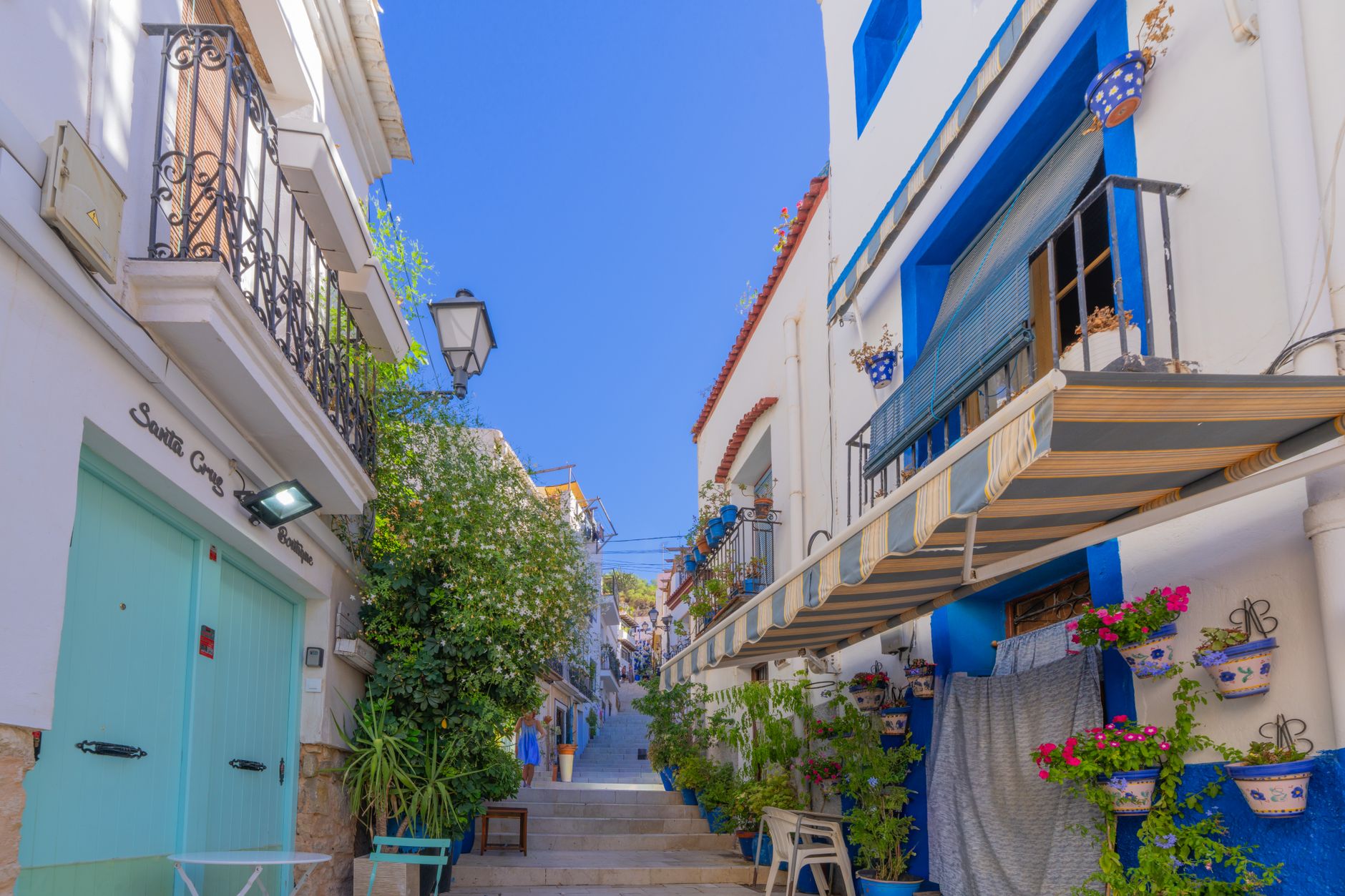
La Cruz sits fifty minutes north of Liberia along Route 1, just south of the border crossing at Peñas Blancas. The town is known for sweeping Pacific bluffs overlooking Bahía Salinas and a working coastal economy largely untouched by large resort development. La Cruz is worth visiting if you want fresh corvina from small-boat fishermen, consistent thermal winds for kiteboarding, and quiet trails in dry tropical forest. Look elsewhere if you want polished resort amenities, all-night beach bars, or manicured tourist strips.
Last updated 1 Nov 2026
Build a La Cruz itinerary.
Choose up to 4 threads that pull you in. Your plan arrives organised around them.
The Bed
Where to stay in La Cruz
Which part of town to book, and what each one costs you in walking, noise or quiet.
The Comparison
La Cruz, or somewhere near it
The places you are realistically choosing between, and the honest case for each.
The Local Record
Where to read more about La Cruz
The blogs, boards, guides and operators worth bookmarking.
What to do in La Cruz Guanacaste Costa Rica
La Cruz sits on a high coastal bluff overlooking the Pacific, functioning as a practical northern county seat rather than a resort village. Daily life centres around the central plaza, the clifftop scenic overlook, and the downward roads to coastal fishing hamlets. It suits travellers who appreciate breezy afternoons, honest family-run sodas, and unhurried access to Santa Rosa and the windswept bays below.
24 hours in La Cruz Guanacaste Costa Rica
Start early with strong black coffee and gallo pinto in the central square, then drive twenty minutes down to Playa Rajada for a calm morning swim. Head to Puerto Soley for whole fried snapper at midday, and finish before dusk at the town mirador to watch the sunset over Bahía Salinas. Select 1 Day above to see it.
2 days in La Cruz Guanacaste Costa Rica
Devote your second morning to the fishing village of Cuajiniquil, chartering a panga to cruise the mangrove canals. Return inland for wood-fired pork ribs and sweet plantains at a roadside grill, then spend the afternoon walking the breezy coastal bluffs around Punta Descartes. Choose 2 Days to expand the plan.
3 days in La Cruz Guanacaste Costa Rica
A third day allows an unhurried visit to the historical museum at Casona de Santa Rosa and the dry forest trails of Murciélago Sector. Pack water, sturdy shoes, and spare time for slow gravel roads, finishing with sea bass ceviche in El Jobo as the evening boats return.
La Cruz Guanacaste Costa Rica itineraries by interest
Local Seafood in La Cruz Guanacaste Costa Rica
Order whole fried corvina or snapper ceviche with plantain chips at simple sodas near Puerto Soley, caught hours earlier by handline fishermen.
Water Sports in La Cruz Guanacaste Costa Rica
Rig a kite at Playa Copal, where the steady Papagayo trade winds sweep across Bahía Salinas from November through April without crowding.
Coastal Walks in La Cruz Guanacaste Costa Rica
Walk the clifftop rim of the Mirador de La Cruz at sunset for uninterrupted views across the gulf toward Isla Bolaños and Nicaragua.
Wildlife Watching in La Cruz Guanacaste Costa Rica
Watch frigatebirds, pelicans, and nesting brown boobies around the rocky perimeter of Isla Bolaños National Wildlife Refuge by chartered panga.
Beaches in La Cruz Guanacaste Costa Rica
Spend quiet afternoons on the pale sands of Playa Rajada and Playa Jobo, sheltered from heavy surf with clear shallows for easy swimming.
Hiking in La Cruz Guanacaste Costa Rica
Follow dry tropical forest trails in Santa Rosa National Park, watching for white-tailed deer and howler monkeys among native guayacán trees.
Local Markets in La Cruz Guanacaste Costa Rica
Pick up sweet jocotes, fresh queso tierno, and dark Guanacaste honey from small roadside produce stands along the central boulevard.
Traditional Cooking in La Cruz Guanacaste Costa Rica
Eat arroz de maíz, olla de carne, and fresh handmade corn tortillas at central town sodas where recipes have stayed steady for generations.
Boat Trips in La Cruz Guanacaste Costa Rica
Hire an artisanal boat captain at Cuajiniquil to explore mangrove estuaries, hidden coves, and quiet snorkelling reefs along the peninsula.
Historic Sites in La Cruz Guanacaste Costa Rica
Visit the Casona de Santa Rosa south of town to see the preserved 1856 battlefield and read straightforward accounts of local military history.
Scenic Drives in La Cruz Guanacaste Costa Rica
Drive the winding ridge road down to Bahía Tomas and El Jobo, stopping at high turnouts where green headlands drop straight into blue water.
Bird Watching in La Cruz Guanacaste Costa Rica
Spot turquoise-browed motmots, long-tailed manakins, and yellow-naped parrots in the transitional thorn scrub around Junquillal Bay.