Lake Eyasi.


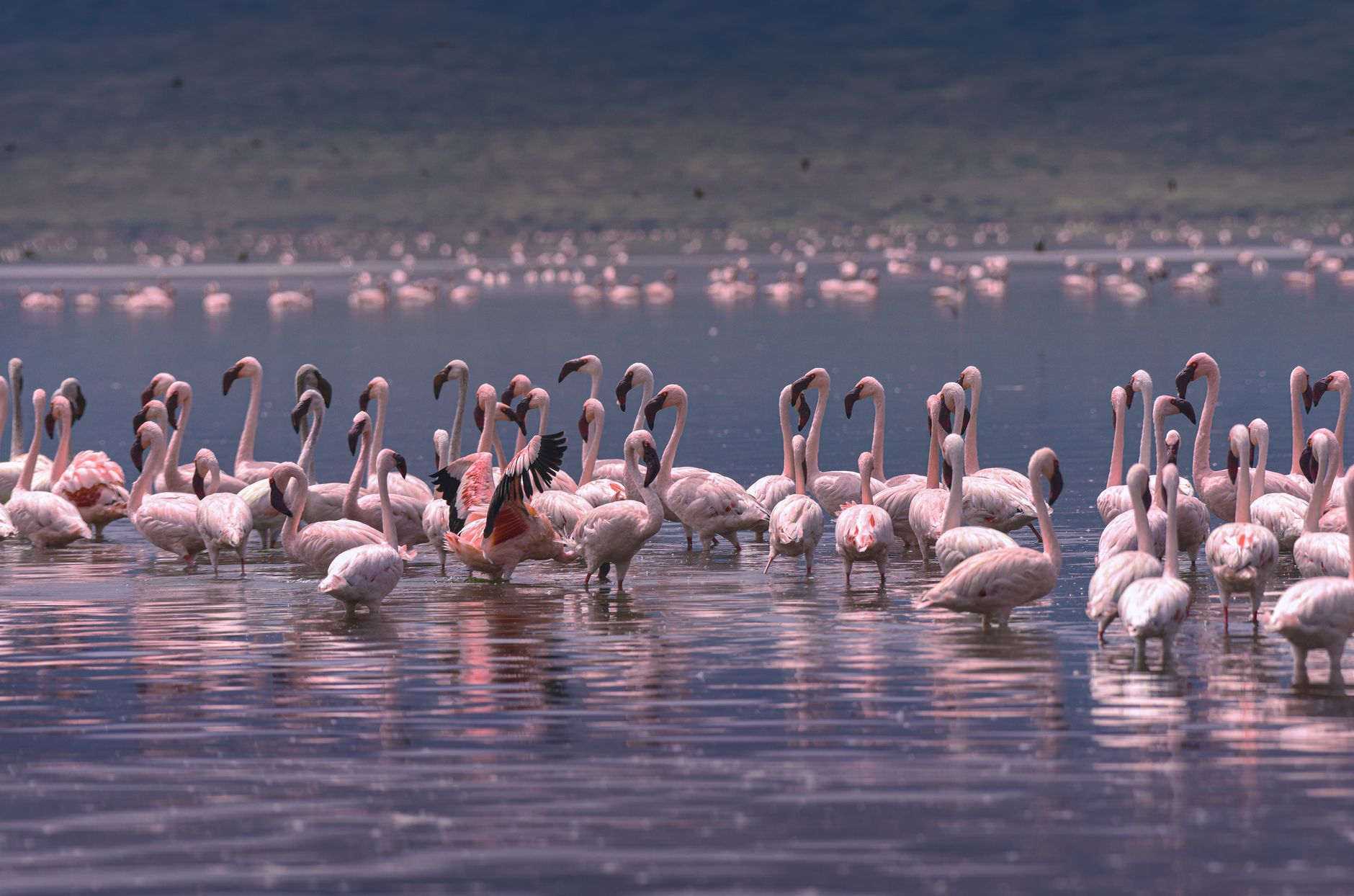


Lake Eyasi lies in the Great Rift Valley, a rough two-hour drive southwest of Karatu or four hours from Arusha. The shallow soda lake is known primarily for encounters with the indigenous Hadza hunter-gatherers and Datoga pastoralists who live along its arid margins. Lake Eyasi is worth visiting if you want to observe ancient hunting and blacksmithing traditions without game-drive crowds. Look elsewhere if you expect dense Big Five wildlife, polished resort infrastructure, or paved highways.
Last updated 12 Nov 2026
Build a Lake Eyasi itinerary.
Choose up to 4 threads that pull you in. Your plan arrives organised around them.
The Bed
Where to stay in Lake Eyasi
Which part of town to book, and what each one costs you in walking, noise or quiet.
The Comparison
Lake Eyasi, or somewhere near it
The places you are realistically choosing between, and the honest case for each.
The Local Record
Where to read more about Lake Eyasi
The blogs, boards, guides and operators worth bookmarking.
What to do in Lake Eyasi Arusha Region Tanzania
Days here run on sun and dust. Activities center around dawn walks with Hadza hunting groups, visits to Datoga homesteads, and exploring the dry alkaline shoreline. The small agricultural hub of Mang'ola provides basic supplies and cold Kilimanjaro lagers. It suits hardy travellers seeking cultural depth rather than conventional vehicle safaris.
24 hours in Lake Eyasi Arusha Region Tanzania
Start before dawn to join Hadza foragers as they track through the dry thornbush. By midday, head into Mang'ola for a lunch of nyama choma and ugali. Spend the late afternoon watching Datoga metalsmiths at the forge before sunset across the soda flats. Select 1 Day above to see it.
2 days in Lake Eyasi Arusha Region Tanzania
Dedicate your second morning to birdwatching along the seasonal lake shallows and exploring the irrigated onion farms along the Baray River. Eat fresh fruit under the doum palms, then hike the lower slopes of the rift wall for expansive valley views. Choose 2 Days to expand the plan.
3 days in Lake Eyasi Arusha Region Tanzania
A third day allows an unhurried excursion toward the southern reaches of the basin to visit isolated pastoralist bomas. Combine it with an afternoon drive into the Ngorongoro highlands via Karatu, stopping for coffee grown on rich volcanic soil.
Lake Eyasi Arusha Region Tanzania itineraries by interest
Indigenous Traditions in Lake Eyasi Arusha Region Tanzania
Follow Hadza trackers on dawn hunts through acacia scrub using hand-strung bows to forage tubers, wild honey, and small game.
Craft Traditions in Lake Eyasi Arusha Region Tanzania
Watch Datoga blacksmiths melt scrap metal over charcoal bellows to hammer out brass bracelets, arrowheads, and cowbells by hand.
Birdwatching in Lake Eyasi Arusha Region Tanzania
Scan the mudflats for lesser flamingos, yellow-billed storks, and great white pelicans feeding on seasonal brine shrimp and algae.
Wilderness Walks in Lake Eyasi Arusha Region Tanzania
Trek the cracked alkaline lakebed and rocky escarpment trails with local guides during the dry season from June to October.
Local Farming in Lake Eyasi Arusha Region Tanzania
Walk the irrigated red-onion fields in Mang'ola, where farmers use river diversions beneath towering fan palms to feed northern markets.
Botanical Walks in Lake Eyasi Arusha Region Tanzania
Learn how the Hadza extract poison for arrows from desert rose succulents and gather edible baobab fruit from ancient hollow trees.
Off-Road Driving in Lake Eyasi Arusha Region Tanzania
Navigate the deep sand tracks and rocky washouts of the Eyasi basin in a robust four-wheel drive equipped with high clearance.
Campfire Cooking in Lake Eyasi Arusha Region Tanzania
Share evening meals of grilled goat, ugali, and sukuma wiki cooked over open mopane wood coals at rustic bush camps near the shore.
Cultural History in Lake Eyasi Arusha Region Tanzania
Learn about Nilotic migrations and click-language dialects preserved for millennia along the rugged margins of the Gregory Rift.
Stargazing in Lake Eyasi Arusha Region Tanzania
Step outside the canvas tents to view the Milky Way blazing with zero light pollution across the dry floor of the rift valley.
Sunset Views in Lake Eyasi Arusha Region Tanzania
Stand on the western rift escarpment as the afternoon heat breaks and the salt crust glows pink beneath the setting sun.
River Walks in Lake Eyasi Arusha Region Tanzania
Stroll along the shaded banks of the Baray River, watching herders water their cattle under wild fig and doum palm canopies.