Lech am Arlberg.


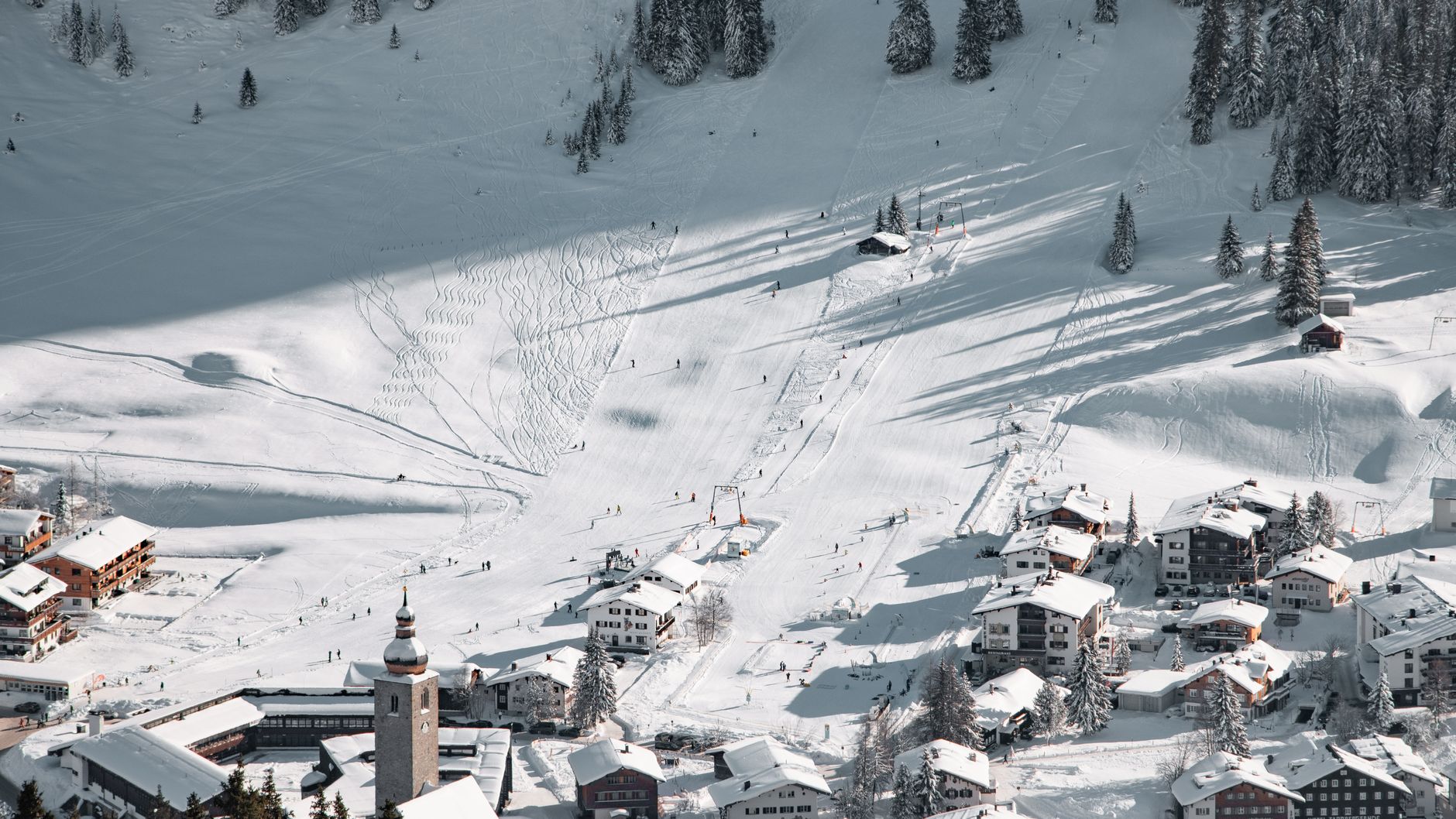

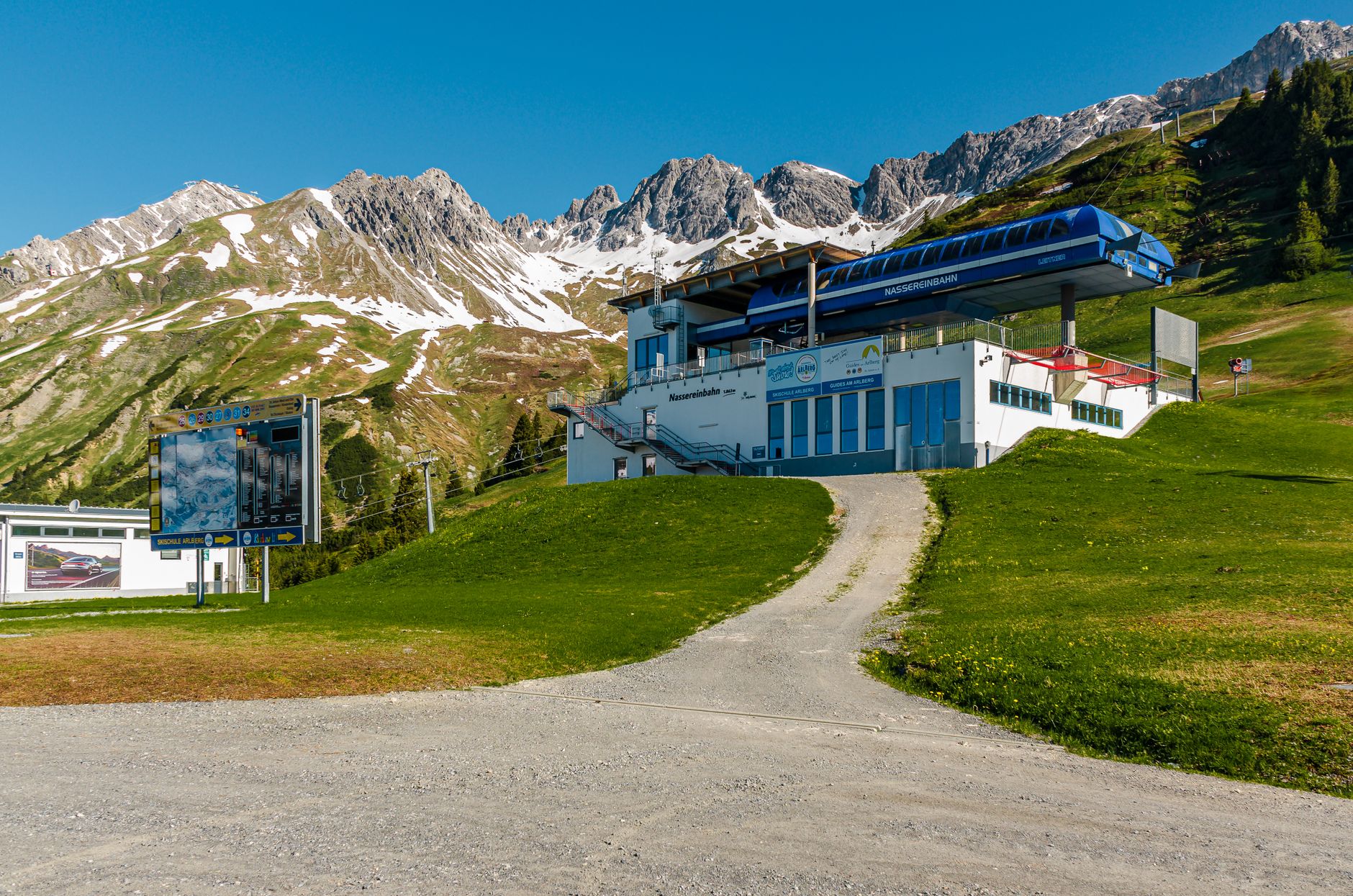
Lech am Arlberg sits two hours east of Zurich Airport by road or rail via Langen am Arlberg station. The high valley is defined by its 1930s pioneering ski culture, timber Walser farmsteads, and strict building codes that keep the skyline low. Lech am Arlberg is worth visiting if you want linked high-alpine ski terrain, unhurried summer walking trails, and dense mountain cheeses. Look elsewhere if you want raucous all-night clubbing, budget package hotels, or urban sightseeing.
Last updated 28 Oct 2026
Build a Lech am Arlberg itinerary.
Choose up to 4 threads that pull you in. Your plan arrives organised around them.
The Bed
Where to stay in Lech am Arlberg
Which part of town to book, and what each one costs you in walking, noise or quiet.
The Comparison
Lech am Arlberg, or somewhere near it
The places you are realistically choosing between, and the honest case for each.
The Local Record
Where to read more about Lech am Arlberg
The blogs, boards, guides and operators worth bookmarking.
What to do in Lech am Arlberg Vorarlberg Austria
The village straddles the rushing Lech River at 1,450 metres, surrounded by limestone peaks. Mornings start with boots on snow or gravel paths, followed by long terrace lunches over Kaiserschmarrn, and evenings in quiet wood-panelled parlours. It suits skiers, high-altitude walkers, and travellers who appreciate well-run family hotels over loud resort spectacle.
24 hours in Lech am Arlberg Vorarlberg Austria
Ride the Rüfikopfbahn up for morning peak panoramas, then ski or hike back down to town. Walk along the river path to the hamlet of Zug for a wooden bowl of Käsknöpfle at an old tavern. End the day wandering past the shingled roof of St. Nikolaus Church as the lights come on. Select 1 Day above to see it.
2 days in Lech am Arlberg Vorarlberg Austria
Head up to Oberlech on day two to enter the James Turrell Skyspace before hiking along the high Arlberg balconies. In the afternoon, explore the Huber-Hus farmhouse museum. For dinner, book a table in Oberlech or Stuben for roast local venison and Austrian Blaufränkisch wine. Choose 2 Days to expand the plan.
3 days in Lech am Arlberg Vorarlberg Austria
A third day allows an unhurried morning excursion into the Zugertal to see the Formarinsee lake beneath the Rote Wand. Take the local hiking bus or cross over the Flexen Pass into Zürs and St. Christoph for classic Arlberg ski history and quieter alpine trails.
Lech am Arlberg Vorarlberg Austria itineraries by interest
Alpine Skiing in Lech am Arlberg Vorarlberg Austria
Tackle the 22-kilometre White Ring circuit across Trittkopf and Rüfikopf, dropping into Zürs on impeccably groomed corduroy or deep Arlberg powder.
Mountain Hiking in Lech am Arlberg Vorarlberg Austria
Follow the Lechweg trail from the Formarinsee source through rocky gorges and alpine pastures, marked with clear white-and-red trail stones.
Cheese Traditions in Lech am Arlberg Vorarlberg Austria
Taste sharp Vorarlberger Bergkäse aged in mountain cellars and order warm Käsknöpfle crowned with crisp brown onions and fresh applesauce.
Public Art in Lech am Arlberg Vorarlberg Austria
Walk to Oberlech to stand inside James Turrell's Skyspace, an underground oval chamber framing alpine light shifts at sunrise and dusk.
Local Heritage in Lech am Arlberg Vorarlberg Austria
Inspect fourteenth-century farming tools and regional winter textiles inside the 1565 Huber-Hus timber farmhouse on the edge of the village.
Fine Dining in Lech am Arlberg Vorarlberg Austria
Reserve at multi-toque dining rooms like Griggeler Stuba in Oberlech for Arlberg char, venison with rowanberries, and Austrian Grüner Veltliner.
Sacred Architecture in Lech am Arlberg Vorarlberg Austria
Visit the fourteenth-century parish church of St. Nikolaus to view its distinctive onion dome, Walser frescoes, and quiet mountain cemetery.
Scenic Cableways in Lech am Arlberg Vorarlberg Austria
Ride the Rüfikopfbahn to 2,350 metres for panoramic views of the Lechtal Alps, then cross to Zug or Warth via modern linked gondolas.
Winter Walking in Lech am Arlberg Vorarlberg Austria
Stroll the groomed snow paths along the frozen Lech River between Dorf and Zug, stopping at timber huts for warm elderberry schnapps.
Alpine Lakes in Lech am Arlberg Vorarlberg Austria
Take the summer walker bus into the Zugertal valley to reach Spullersee and Formarinsee, high glacial lakes framed by the Rote Wand peak.
Fly Fishing in Lech am Arlberg Vorarlberg Austria
Cast barbless flies along designated stretches of the upper Lech and Spullerbach for wild brown trout and brook char with a day permit.
Cross-Country Skiing in Lech am Arlberg Vorarlberg Austria
Glide twenty-seven kilometres of groomed classic and skating tracks running parallel to the valley floor from Lech into the quiet Zugertal.