

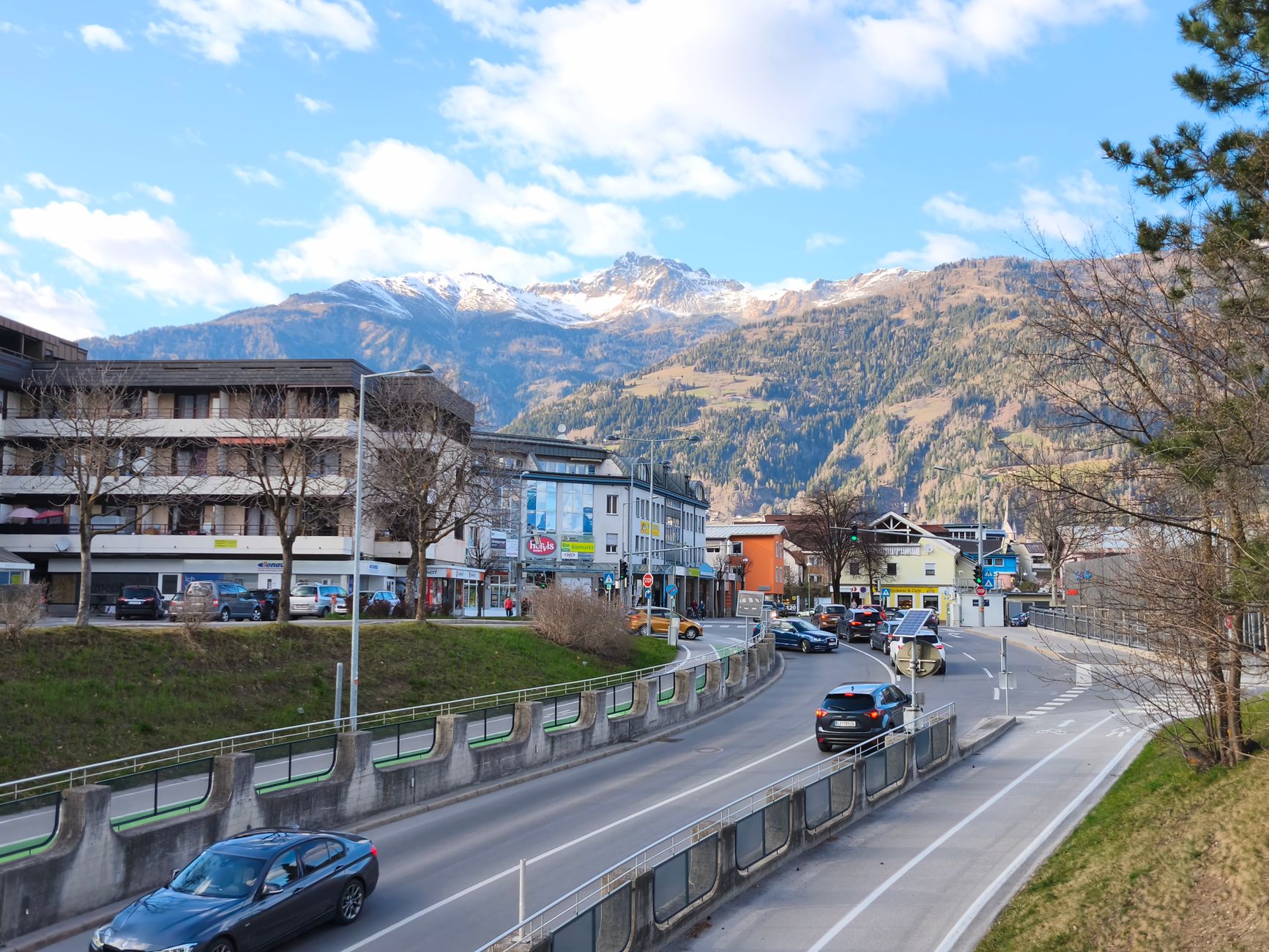


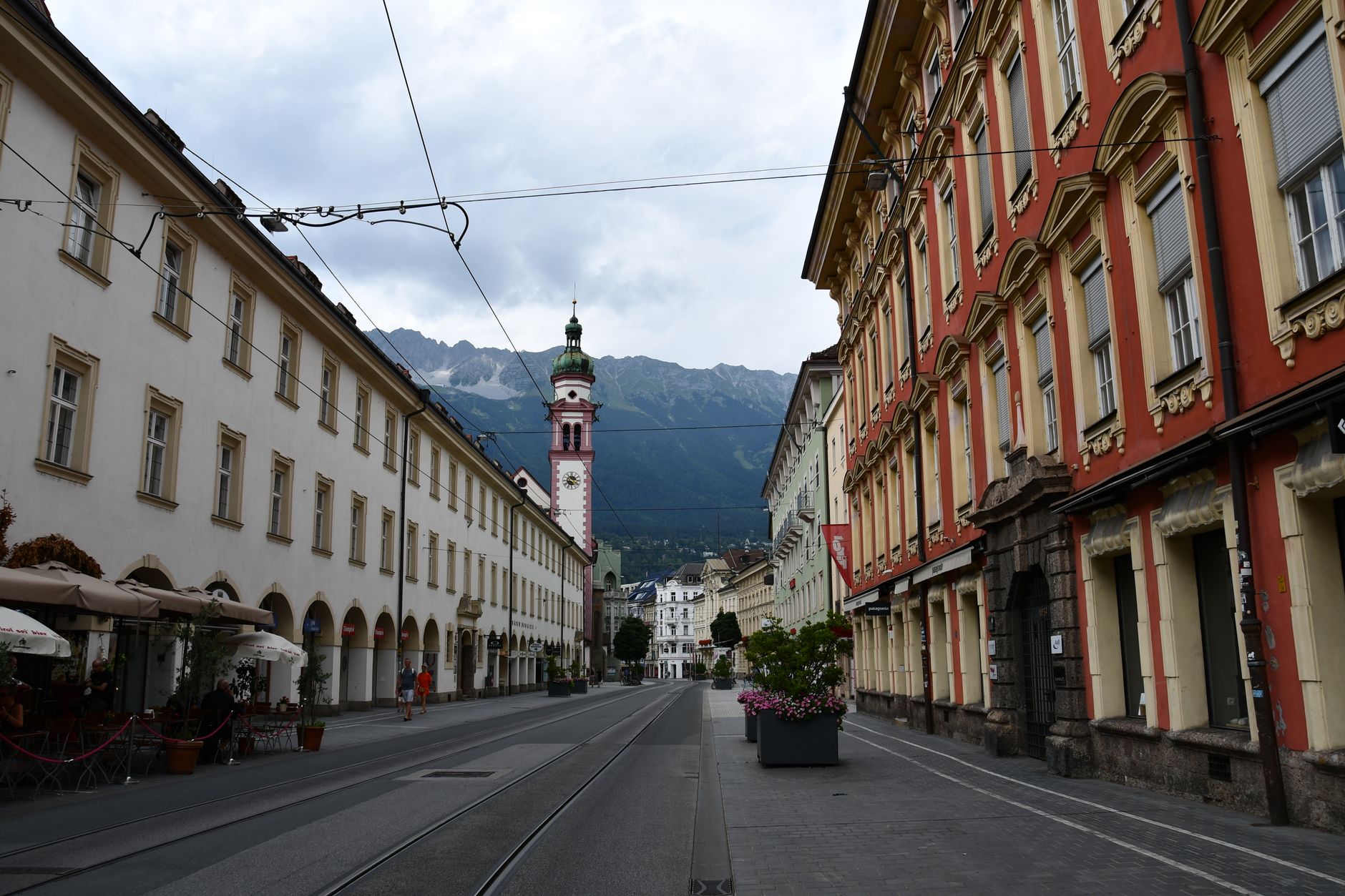
The river Isel churns gray and cold from glacier melt right through the town centre, colliding with the Drau under the shadow of the pale Lienz Dolomites. Sunlight hits the pastel facades of the Hauptplatz with an Italian warmth, where locals linger over glasses of crisp white wine while debating cycling splits. Schloss Bruck stands watch from the hill above, guarding medieval frescoes and centuries of alpine border history. Lienz is worth visiting if you want jagged limestone hiking by day and warm plates of butter-drenched Schlipfkrapfen by dusk. Look elsewhere if you want sprawling interconnected ski domains, rowdy late-night clubs, or a deep roster of indoor attractions when mountain storms roll in.
Last updated 5 Sept 2026
Build a Lienz itinerary.
Choose up to 4 threads that pull you in. Your plan arrives organised around them.
The Bed
Where to stay in Lienz
Which part of town to book, and what each one costs you in walking, noise or quiet.
The Comparison
Lienz, or somewhere near it
The places you are realistically choosing between, and the honest case for each.
The Local Record
Where to read more about Lienz
The blogs, boards, guides and operators worth bookmarking.
What to do in Lienz Tyrol Austria
Lienz settles where the Drau and Isel rivers meet, framed by the pale limestone spires of the Dolomites. Days here revolve around outdoor pursuits and easy town life: climbing high trails in the morning, exploring Gothic castles, and settling into sunlit cafe tables on the pedestrianised Hauptplatz by afternoon. It suits independent walkers, cyclists, and relaxed eaters who prefer unhurried alpine valleys over crowded Austrian ski hubs.
24 hours in Lienz Tyrol Austria
Start at the morning Stadtmarkt on Messinggasse before taking the twenty-minute footpath up to Schloss Bruck for medieval frescoes. Return to town for a lunch of buttered Schlipfkrapfen on the Hauptplatz, then ride the Hochstein chairlift for valley views and the downhill toboggan run before dinner. Select 1 Day above to see it.
2 days in Lienz Tyrol Austria
Dedicate your second day to the high crags. Take the morning shuttle to the Dolomitenhütte and hike the circular trail around the Laserzkessel basin. Spend your evening five kilometres east at Aguntum exploring Roman ruins, finishing with smoked speck and crisp Tyrolean cider at a quiet country guesthouse in Nußdorf-Debant. Choose 2 Days to expand the plan.
3 days in Lienz Tyrol Austria
A third day allows for pedal power or deep valleys. Pick up a bicycle and follow the gentle Drauradweg through pine woods toward the Italian border, returning by local train. Alternatively, head north into the pristine Virgental valley to walk beneath the glaciers of the Hohe Tauern and sip aged Pregler schnapps at a farm distillery.
Lienz Tyrol Austria itineraries by interest
Regional Cuisine in Lienz Tyrol Austria
Order Schlipfkrapfen stuffed with spiced potato and chives, followed by Osttiroler Gerstsuppe and a glass of fiery local Pregler fruit schnapps.
Mountain Hiking in Lienz Tyrol Austria
Hike the steep limestone trails around the Dolomitenhütte or ride the Zettersfeld cable car up to 2,200 metres for panoramic ridgeline paths.
Castles & Fortresses in Lienz Tyrol Austria
Walk up to thirteenth-century Schloss Bruck to inspect the Romanesque chapel and dark expressionist war paintings by Albin Egger-Lienz.
River Cycling in Lienz Tyrol Austria
Rent a touring bike near the station and ride the paved, downhill Drauradweg along the river toward Spittal or the Italian border.
Roman History in Lienz Tyrol Austria
Explore the excavated Roman town of Aguntum four kilometres east, featuring an intact thermal bath complex, forum, and a tall viewing tower.
Sacred Architecture in Lienz Tyrol Austria
Step into the fifteenth-century Gothic Parish Church of St. Andrä to see sculpted marble tombs of the Counts of Gorizia and winged altars.
Markets & Produce in Lienz Tyrol Austria
The Friday and Saturday Stadtmarkt on Messinggasse sells mountain cheeses, smoked bacon, rye bread, and elderflower syrup from nearby farms.
Downhill Thrills in Lienz Tyrol Austria
Ride the Osttirodler alpine coaster down the Hochstein mountain, twisting through pine forests for nearly three kilometres of banked turns.
Alpine Passes in Lienz Tyrol Austria
Drive the winding toll road up to the Lienzer Dolomitenhütte at 1,618 metres for direct access to climbing routes and sheer limestone vistas.
Distilleries & Spirits in Lienz Tyrol Austria
Sample traditional Osttiroler Pregler, a protected apple-and-pear brandy, at family distilleries scattered throughout the surrounding valleys.
White Water & Rafting in Lienz Tyrol Austria
Paddle the glacial Isel river, Europe's last free-flowing glacier river, with guided whitewater rafting and kayak runs operating from spring.
Winter Sports in Lienz Tyrol Austria
Ski the uncrowded pistes of Zettersfeld and Hochstein, where World Cup downhill runs meet sun-soaked mountain huts serving hot apple strudel.