

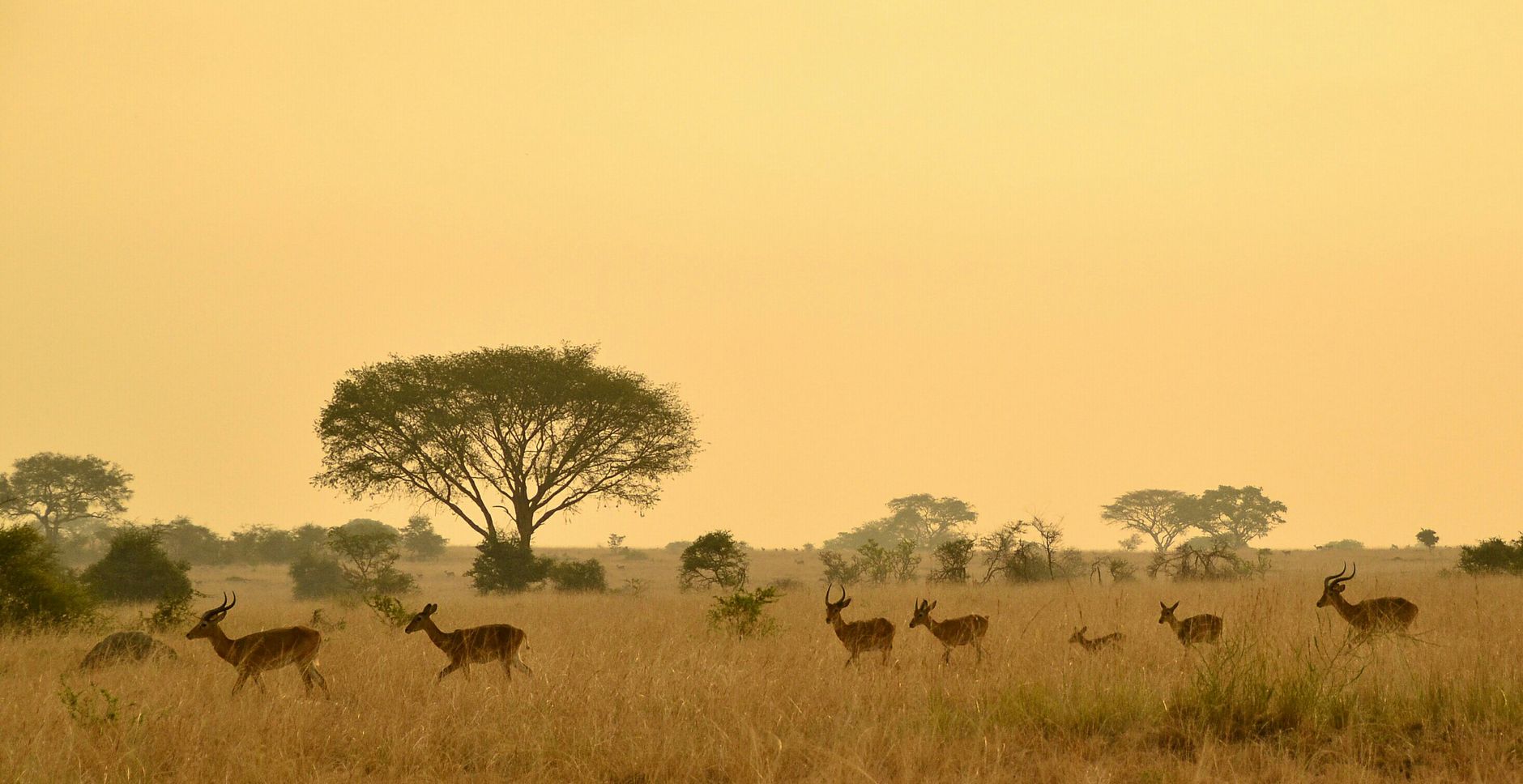


Loliondo lies seven hours northwest of Arusha by rough dirt road, abutting the eastern border of Serengeti National Park. It is known for unfenced Maasai communal game concessions, night drives, and off-road walking safaris impossible within state park boundaries. Loliondo is worth visiting if you want off-trail bush walks and wildlife tracking guided directly by Maasai pastoralists. Look elsewhere if you expect paved resort infrastructure, predictable schedules, or manicured tourist facilities.
Last updated 3 Nov 2026
Build a Loliondo itinerary.
Choose up to 4 threads that pull you in. Your plan arrives organised around them.
The Bed
Where to stay in Loliondo
Which part of town to book, and what each one costs you in walking, noise or quiet.
The Comparison
Loliondo, or somewhere near it
The places you are realistically choosing between, and the honest case for each.
The Local Record
Where to read more about Loliondo
The blogs, boards, guides and operators worth bookmarking.
What to do in Loliondo Arusha Tanzania
Loliondo revolves around the open bush and working pastoral life rather than town centre amenities. The settlement itself is small and dusty, serving as a supply base for expansive community conservation lands bordering the eastern Serengeti. Days are shaped by dawn walks, cattle movements across red dirt tracks, and late afternoon game tracking. It suits self-sufficient travellers and wildlife purists who trade hotel polish for raw bush access.
24 hours in Loliondo Arusha Tanzania
Start at dawn tracking giraffe on foot with a local guide across the acacia plains. By midday, take a bench at a Loliondo town butchery for roasted goat with chili salt. Finish the evening on a night drive through community land spotting genets and owls before resting at an unfenced camp. Select 1 Day above to see it.
2 days in Loliondo Arusha Tanzania
A second day allows a morning trip south toward the foot of the Rift Valley escarpment, watching Maasai cattle herds gather at natural water pans. Spend the afternoon visiting the trading center in Wasso to buy raw bush honey, followed by campfire stew and ginger chai under open skies. Choose 2 Days to expand the plan.
3 days in Loliondo Arusha Tanzania
Three days unlock a rugged day trip east toward Lake Natron over cracked volcanic earth to watch flamingos feed along mineral shallows. You return in time for an unhurried sunset climb atop a granite kopje, watching storm clouds break over the distant Serengeti plains.
Loliondo Arusha Tanzania itineraries by interest
Walking Safaris in Loliondo Arusha Tanzania
Hike with Maasai trackers through acacia scrub and rock kopjes, reading fresh lion prints and wild herb scents without the drone of a diesel engine.
Night Drives in Loliondo Arusha Tanzania
Spot nocturnal aardvarks, bat-eared foxes, and hunting leopards with red-filtered searchlights in community concessions outside park curfew hours.
Local Markets in Loliondo Arusha Tanzania
Browse the weekly trading ground in Wasso for hand-beaded leather collars, steel cattle bells, vibrant shúkà fabrics, and wild bush honey.
Traditional Food in Loliondo Arusha Tanzania
Tear into fire-roasted mbuzi choma goat with seasoned kachumbari salad and stiff ugali maize porridge at roadside butcheries in Loliondo town.
Birdwatching in Loliondo Arusha Tanzania
Scan the woodland canopy near Lake Natron tracks for Fischer's lovebirds, silvery-cheeked hornbills, and lilac-breasted rollers with your field guide.
Campfire Cooking in Loliondo Arusha Tanzania
Dine on slow-braised beef potjiekos and warm chai tea spiced with ginger and cardamom, cooked over wild olive wood coals in remote fly camps.
Cultural Traditions in Loliondo Arusha Tanzania
Learn Maasai botanical medicine, beadwork symbolism, and livestock management directly from resident elders in traditional boma homesteads.
Geological Formations in Loliondo Arusha Tanzania
Climb granite inselbergs and ancient kopjes that rise abruptly from dry plains, offering vantage points across the Great Rift Valley escarpment.
Day Trips in Loliondo Arusha Tanzania
Drive south to the flamingo-filled mudflats of Lake Natron and the active volcanic cone of Ol Doinyo Lengai along jagged, rocky tracks.
Wildlife Migration in Loliondo Arusha Tanzania
Watch thousands of wildebeest and zebra traverse the eastern dispersal corridor between October and December as rains green the short grass plains.
Stargazing in Loliondo Arusha Tanzania
Observe clear Southern Hemisphere constellations and the bright band of the Milky Way untainted by light pollution from remote wilderness camps.
Village Life in Loliondo Arusha Tanzania
Walk the dusty streets of Wasso and Loliondo, stopping at tin-roofed tea stalls for sweet mandazi doughnuts and conversations with cattle herders.