Louisville.


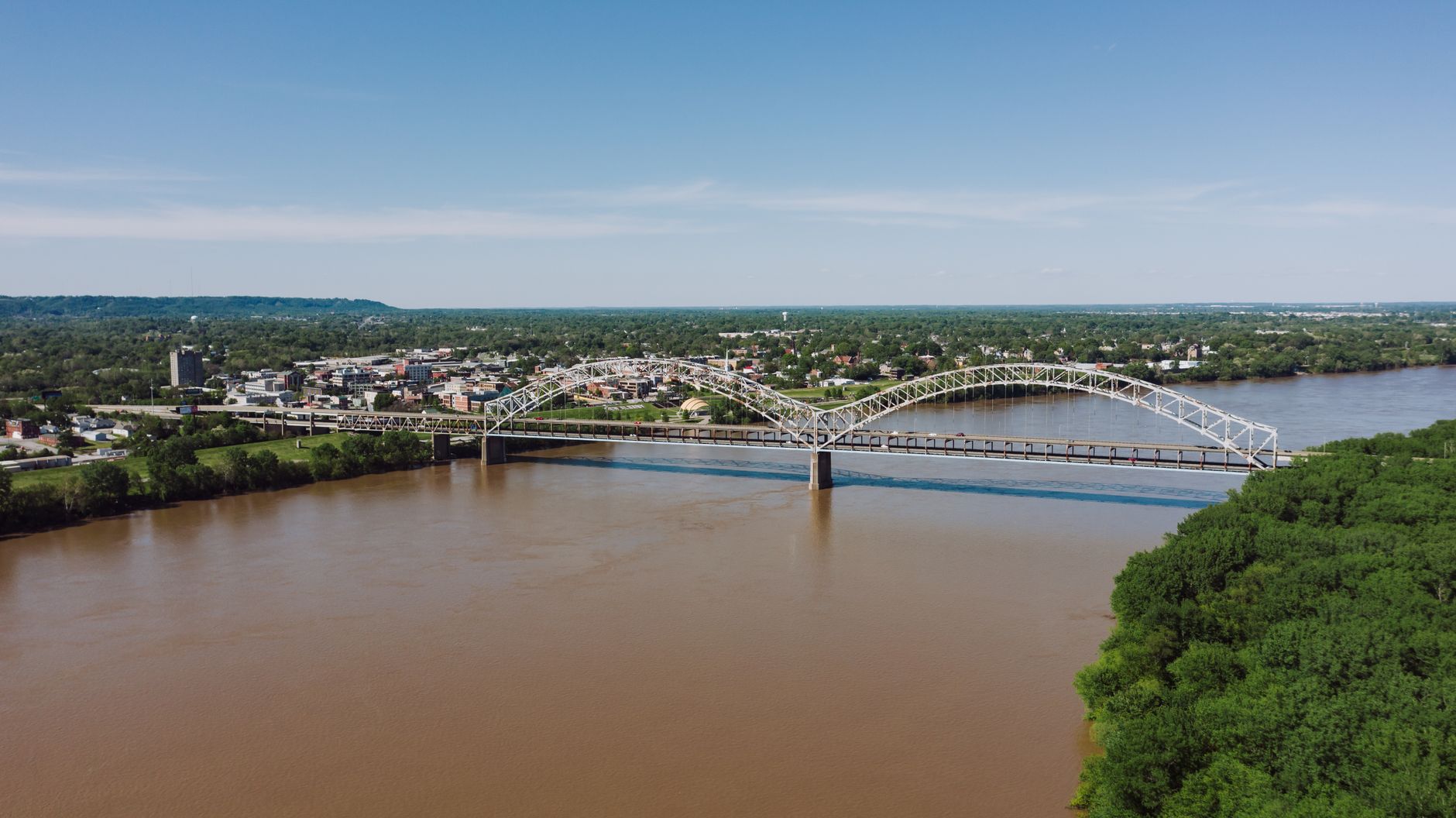

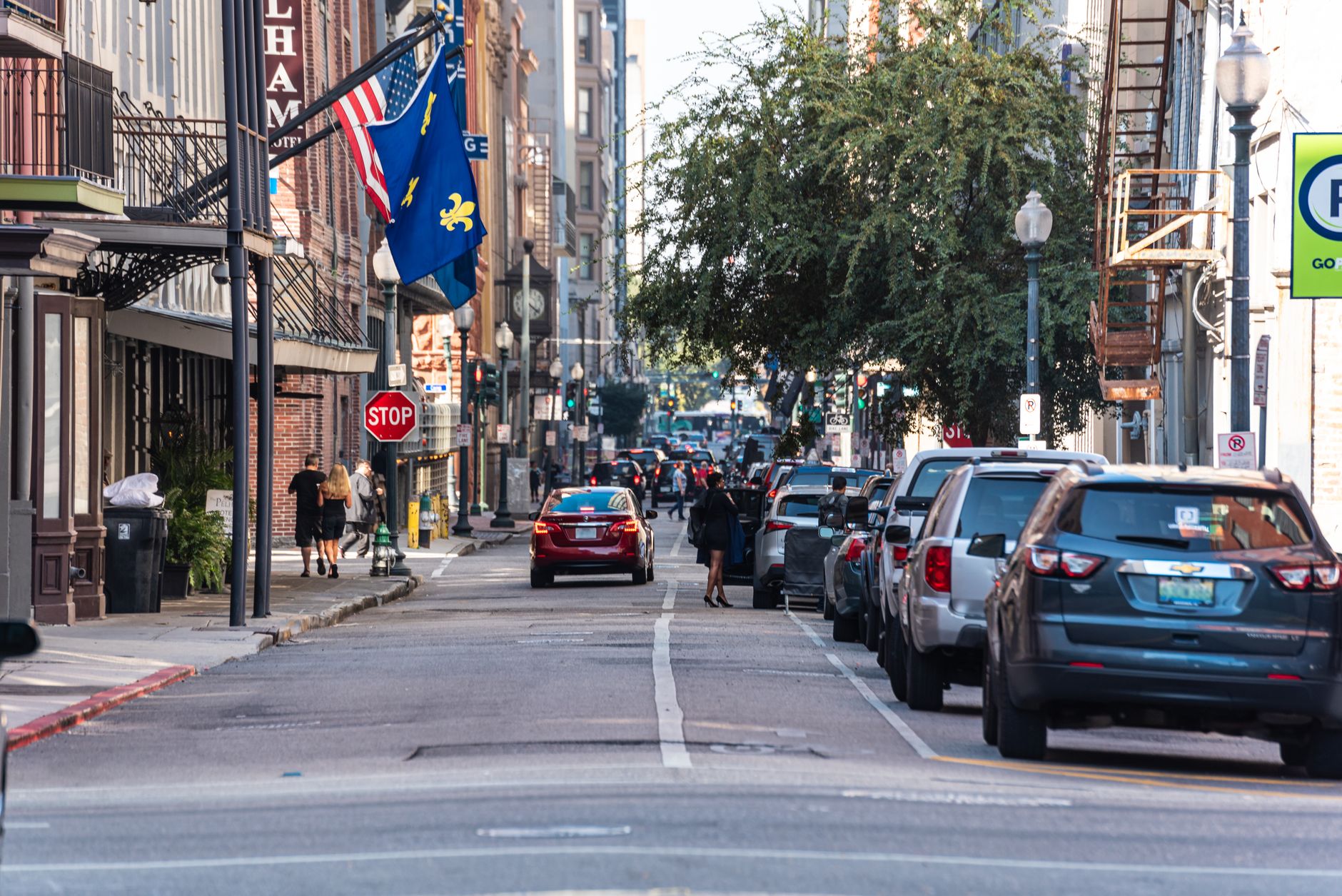
Louisville sits along the Ohio River, ninety minutes southwest of Cincinnati by car on Interstate 71, with its own airport ten minutes from downtown. Kentucky's largest city is defined by bourbon distilling, thoroughbred racing, and one of the largest preserved Victorian residential districts in North America. The culinary rhythm leans on cured ham, cast-iron cornbread, and corn mash whiskey. Louisville is worth visiting if you want to trace American whiskey distilling at the source and walk antebellum neighborhoods. Look elsewhere if you want a car-free city with comprehensive public transit, high-energy mega-club nightlife, or dramatic mountain scenery.
Last updated 9 Sept 2026
Build a Louisville itinerary.
Choose up to 4 threads that pull you in. Your plan arrives organised around them.
The Bed
Where to stay in Louisville
Which part of town to book, and what each one costs you in walking, noise or quiet.
The Comparison
Louisville, or somewhere near it
The places you are realistically choosing between, and the honest case for each.
The Local Record
Where to read more about Louisville
The blogs, boards, guides and operators worth bookmarking.
What to do in Louisville Kentucky United States
Louisville divides cleanly between its riverfront downtown, the leafy Victorian avenues of Old Louisville, and the revitalised butcher shop alleys of NuLu and Germantown. Mornings start with chicory coffee or biscuits, afternoons belong to urban whiskey tastings or Olmsted park strolls, and evenings wind through neighborhood taverns over ham and rye. It suits travellers who appreciate honest regional cooking, porch architecture, and industrial trade history.
24 hours in Louisville Kentucky United States
Start on Main Street with a tour of a working urban distillery, followed by a Hot Brown lunch near Fourth Street. Spend the afternoon walking the gas-lit brick courts of Old Louisville. In the evening, head east to East Market Street in NuLu for cured country ham and small-batch bourbon; everything sits within a ten-minute drive. Select 1 Day above to see it.
2 days in Louisville Kentucky United States
Dedicate your second day to the track and the neighborhoods. Tour Churchill Downs in the morning, then head to Germantown for rolled oyster fritters and locally poured lagers in a shotgun bar. Spend the late afternoon walking Cherokee Park before dinner along Bardstown Road in the Highlands, where independent bistros line three miles of avenue. Choose 2 Days to expand the plan.
3 days in Louisville Kentucky United States
A third day allows a thirty-minute drive southeast into Bullitt and Nelson counties to tour historic country distilleries set among limestone hills. Return by afternoon to walk the Big Four Bridge across the Ohio River at sunset, finishing with slow-smoked pork shoulder and pit beans in Butchertown.
Louisville Kentucky United States itineraries by interest
Distilling Heritage in Louisville Kentucky United States
Tour copper pot stills along Main Street and sample high-rye bourbons aged in charred white oak barrels at historic urban distilleries.
Historic Architecture in Louisville Kentucky United States
Walk St. James Court in Old Louisville to see Richardsonian Romanesque, Queen Anne, and Victorian Gothic brick residences built between 1880 and 1910.
Regional Cooking in Louisville Kentucky United States
Order the Hot Brown at The Brown Hotel, featuring roasted turkey, Mornay sauce, and bacon broiled open-face on Texas toast since 1926.
Barbecue & Smokehouse in Louisville Kentucky United States
Taste slow-smoked pork shoulder, mutton, and peppery vinegar dip alongside skillet cornbread and pit beans across smokehouses in Smoketown and NuLu.
Sporting History in Louisville Kentucky United States
Visit Churchill Downs under the twin spires and walk the museum backstretch to learn the training regimens of thoroughbred racehorses.
River & Waterfront in Louisville Kentucky United States
Cross the Big Four Bridge pedestrian span over the Ohio River into Indiana, or board the Belle of Louisville, an authentic 1914 steamboat.
Urban Parks in Louisville Kentucky United States
Wander Frederick Law Olmsted’s expansive park system in Cherokee Park, navigating loop trails shaded by mature beech and tulip poplar trees.
Historic Cemeteries in Louisville Kentucky United States
Explore Cave Hill Cemetery, a Victorian arboretum with five hundred plant varieties, granite monuments, and the burial site of Muhammad Ali.
Woodworking & Craft in Louisville Kentucky United States
Watch northern white ash and Pennsylvania maple turned into standard 34-inch baseball bats on the production floor at the downtown factory.
Contemporary Art in Louisville Kentucky United States
Explore site-specific installations, modern video galleries, and contemporary rotating exhibitions across the 21c Museum Hotel and Main Street.
Historic Mansions in Louisville Kentucky United States
Tour the 1792 Georgian manor at Historic Locust Grove, where George Rogers Clark lived among preserved wood furnishings and heirloom gardens.
Independent Breweries in Louisville Kentucky United States
Sample dry stouts, lagers, and bourbon-barrel-aged beers brewed in repurposed brick warehouses throughout Butchertown and Germantown.