Lunenburg.


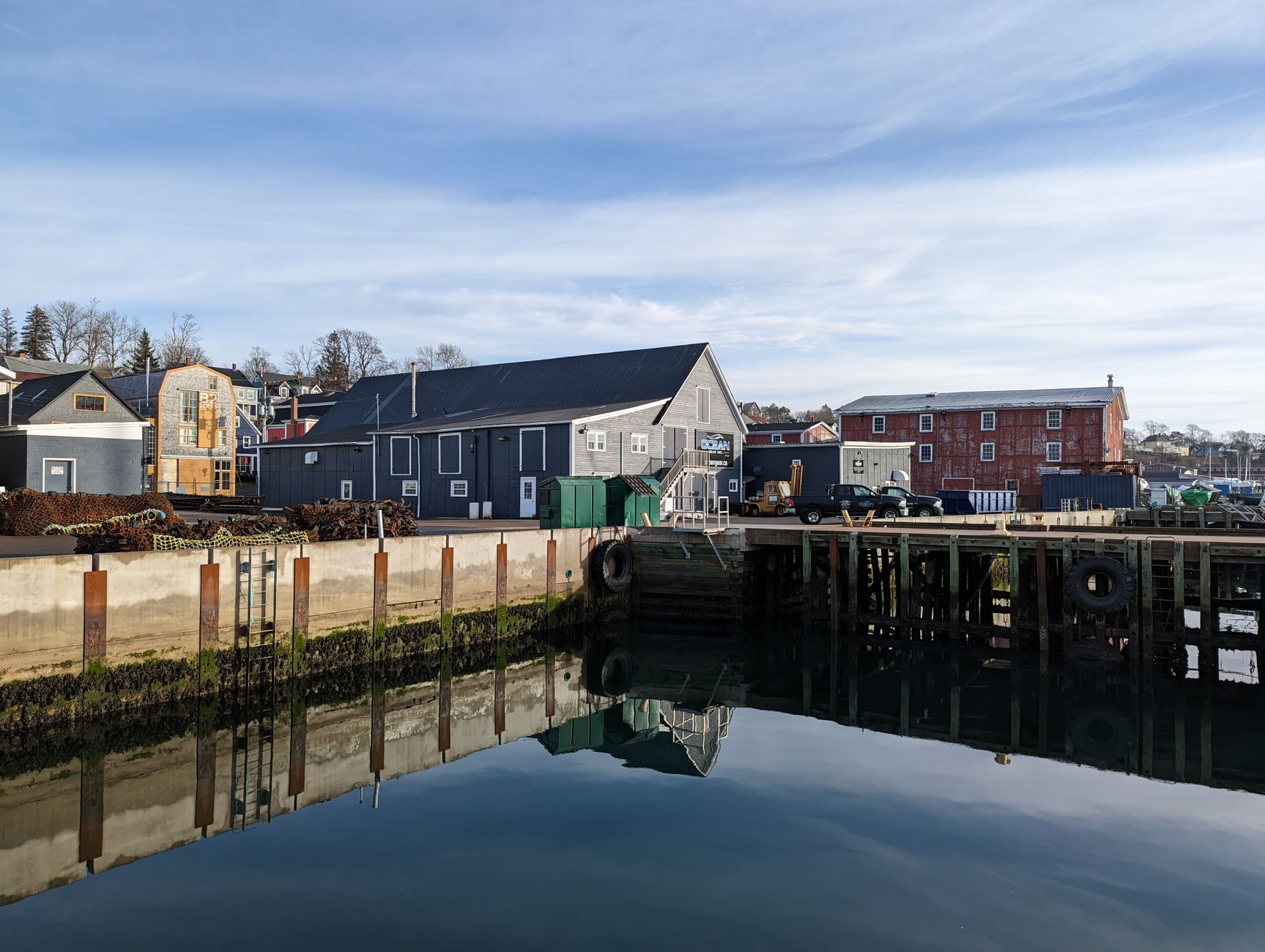

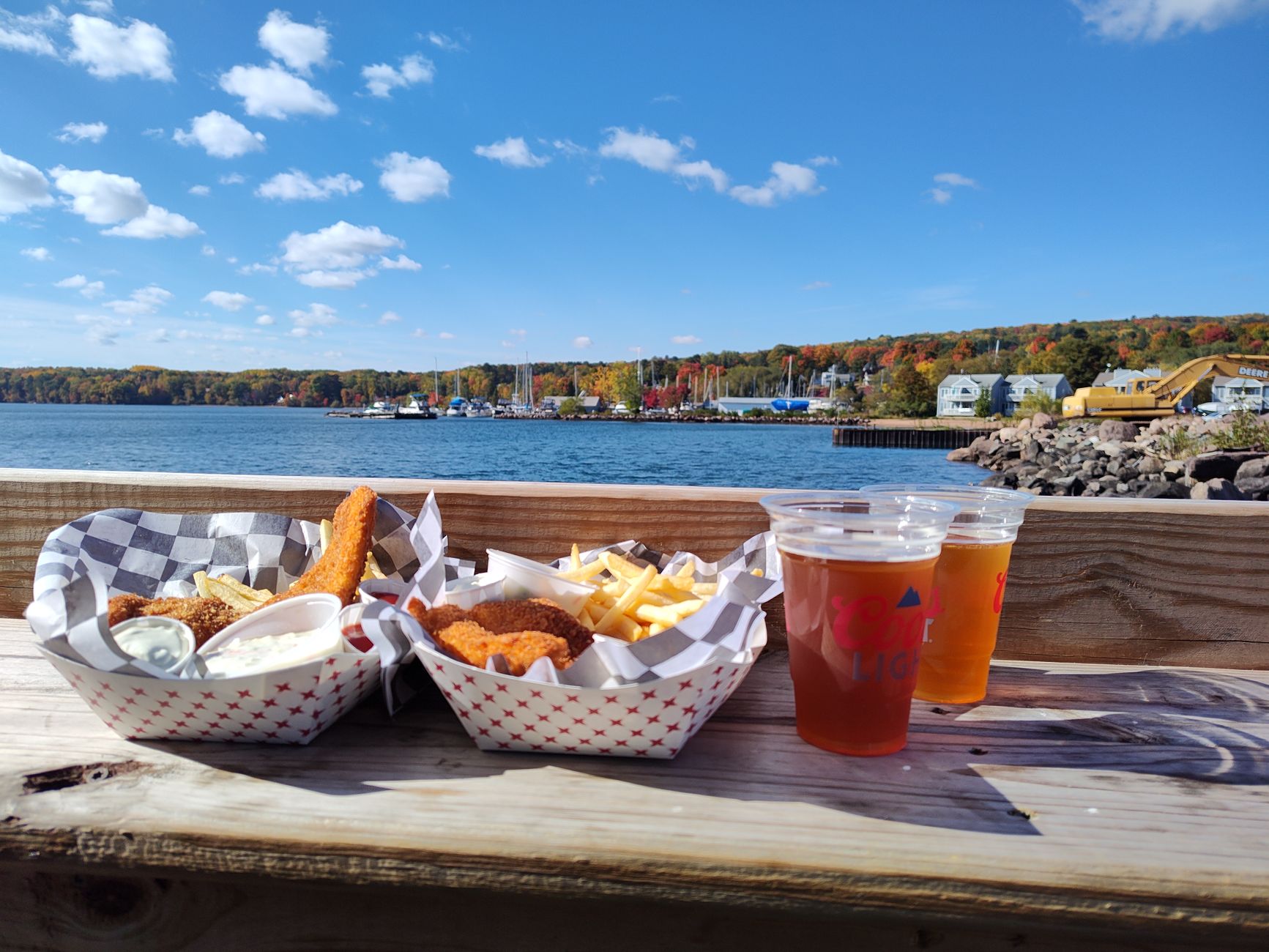

The North Atlantic wind pushes right up the hill from the harbour, unbothered by the neat eighteenth-century British grid stamped over the slopes. Bright painted clapboard houses stand shoulder to shoulder on Montague and Pelham Streets, defying the damp. You come here for the maritime lineage, specifically the Bluenose legacy and dory-building yards, and you stay because someone handed you a bowl of proper seafood chowder with haddock fresh from the morning boat.
Last updated 2 Sept 2026
Build a Lunenburg itinerary.
Choose up to 4 threads that pull you in. Your plan arrives organised around them.
The Bed
Where to stay in Lunenburg
Which part of town to book, and what each one costs you in walking, noise or quiet.
The Comparison
Lunenburg, or somewhere near it
The places you are realistically choosing between, and the honest case for each.
The Local Record
Where to read more about Lunenburg
The blogs, boards, guides and operators worth bookmarking.
What to do in Lunenburg Nova Scotia Canada
Lunenburg is built for walking, provided you do not mind honest inclines. The town rises straight up from the wharf in colour-coded rows of Georgian and Victorian clapboard, centering on Old Town and the bustling harbourfront. Mornings belong to the boatyards and bakeries, afternoons to the maritime wharves, and evenings to dockside pints. It suits curious walkers, maritime buffs, and anyone who appreciates unpretentious dining by the water.
24 hours in Lunenburg Nova Scotia Canada
Spend the morning walking the steep grid along Pelham and Montague Streets before touring the Fisheries Museum wharf. For lunch, order Solomon Gundy and haddock chowder down by the docks. Finish with an evening walk along the harbour to watch the light fade over the schooner fleet. Everything is walkable within fifteen minutes. Select 1 Day above to see it.
2 days in Lunenburg Nova Scotia Canada
Dedicate your second day to Blue Rocks, just a ten-minute coastal drive away, where fishing shacks sit pinned to slate headlands. Return for an afternoon tasting at Ironworks Distillery, then settle into a Lincoln Street dining room for pan-seared local sea scallops and a bottle of crisp Annapolis Valley white wine. Choose 2 Days to expand the plan.
3 days in Lunenburg Nova Scotia Canada
A third day lets you branch out along Mahone Bay to inspect the wooden boat builders, or head down toward the wave-battered sands of Crescent Beach. You can slow your pace entirely, lingering over strong morning coffee, browsing Old Town printmakers, and catching the evening tide rolling into the back harbour without checking a watch.
Lunenburg Nova Scotia Canada itineraries by interest
Local Seafood in Lunenburg Nova Scotia Canada
Dig into bowls of salt-cod fish cakes, Lunenburg seafood chowder, pan-fried Digby scallops, and cracked cold Atlantic lobster along the working waterfront.
Maritime History in Lunenburg Nova Scotia Canada
Explore the Fisheries Museum of the Atlantic, walk the slips where Bluenose II docks, and study the preserved 1753 British colonial town grid.
Woodworking Traditions in Lunenburg Nova Scotia Canada
Watch shipwrights shaping timber at the Dory Shop, active since 1917, building traditional wooden fishing dories using oak frames and pine planks.
Sacred Architecture in Lunenburg Nova Scotia Canada
Step inside St. John's Anglican Church, founded in 1753, to view Carpenter Gothic carpentry, restored star-painted ceilings, and hand-carved box pews.
Distilleries & Brewing in Lunenburg Nova Scotia Canada
Sample Ironworks Distillery's rum and pear eau-de-vie distilled in an 1893 blacksmith shop, alongside pints of dry craft stout on Lincoln Street.
Coastal Walks in Lunenburg Nova Scotia Canada
Trek the gentle trail along the Lunenburg waterfront to Battery Point Light, or take the harbour path for unobstructed views of the town skyline.
Bakeries & Cafes in Lunenburg Nova Scotia Canada
Grab Lunenburg sausage, Solomon Gundy pickled herring on rye, and warm spiced cinnamon buns from the small bakeries tucked on Pelham Street.
Craft Traditions in Lunenburg Nova Scotia Canada
Browse heritage woollens, coastal pottery, hand-printed lithographs, and blacksmith ironwork made in workshops scattered across Old Town.
Sailing & Waterways in Lunenburg Nova Scotia Canada
Board a working schooner in Lunenburg Harbour for an afternoon haul across the bay, catching breezes past the granite headlands of Blue Rocks.
Produce & Markets in Lunenburg Nova Scotia Canada
Visit the Thursday Lunenburg Farmers' Market at the community centre for South Shore produce, Nova Scotia cheeses, and smoked local mackerel.
Nearby Villages in Lunenburg Nova Scotia Canada
Drive six minutes east to Blue Rocks to wander the weathered fish shanties, granite boulders, and quiet sheltered coves of a working fishing hamlet.
Day Trips in Lunenburg Nova Scotia Canada
Head south along the lighthouse route to Mahone Bay's wooden boatyards or west to the surf breaks and sandbars of Crescent Beach and Rissers Beach.