Martinez.



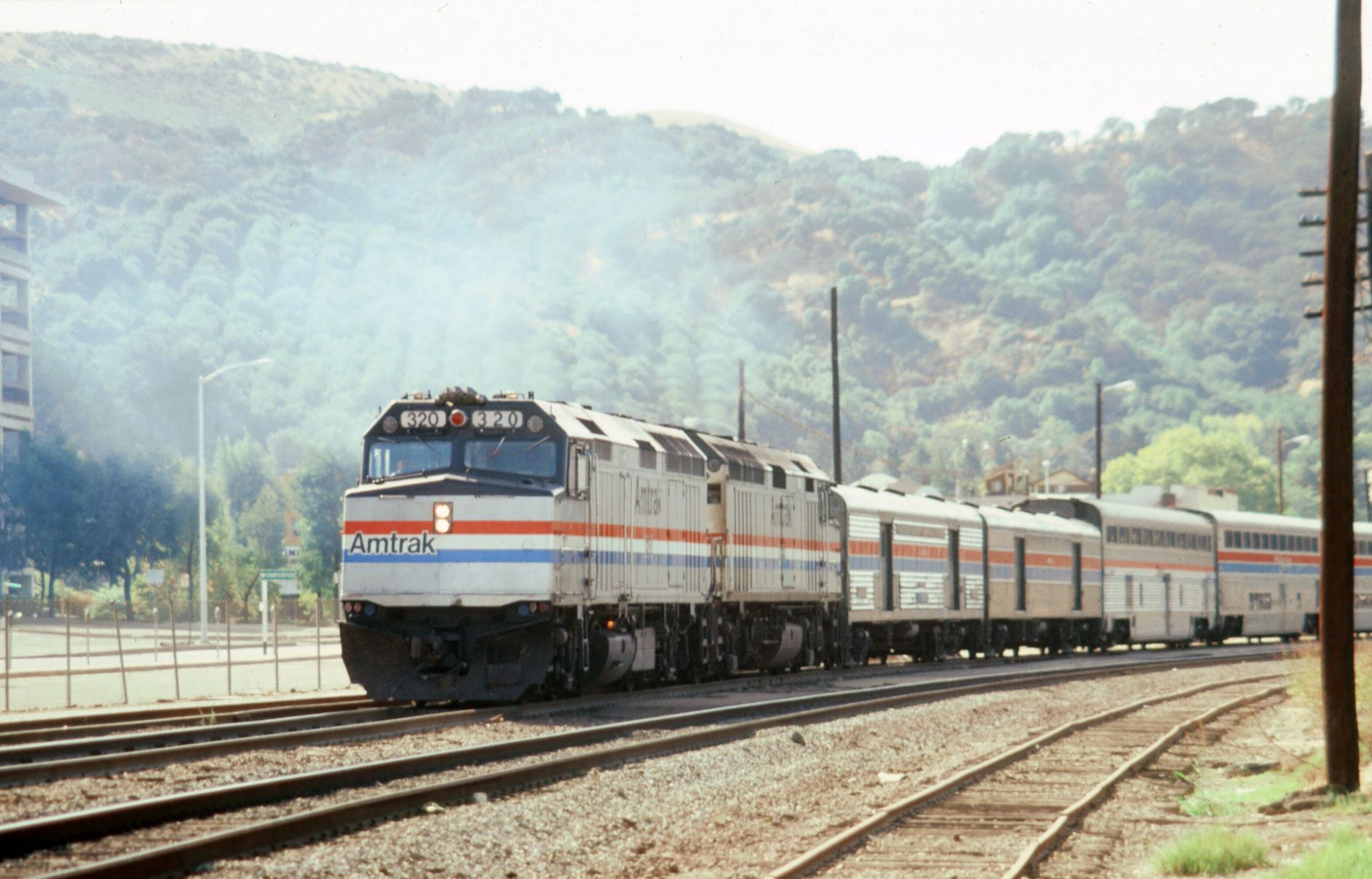
Sitting thirty-five miles northeast of San Francisco, Martinez is reached in forty minutes by car or via the Amtrak Capitol Corridor. It is known for its working Carquinez Strait waterfront, John Muir's historic orchard ranch, and claiming the origin of the gin martini. Martinez is worth visiting if you want unpretentious regional history, quiet hikes along muddy marsh trails, and cold cocktails at an old bar. Look elsewhere if you want polished wine country luxury, Pacific surf beaches, or late-night clubs.
Last updated 13 Oct 2026
Build a Martinez itinerary.
Choose up to 4 threads that pull you in. Your plan arrives organised around them.
We'll craft a 1-lens plan for Martinez, one collapsible strand per lens.
Cocktail Culture
Trace the 1880s gold-miner martini dispute with a cold gin and vermouth serve, garnished with an olive at downtown Main Street saloons.
Cocktail Culture
Trace the 1880s gold-miner martini dispute with a cold gin and vermouth serve, garnished with an olive at downtown Main Street saloons.
Fresh Roast and Sourdough
States Coffee
Order a pour-over and thick-cut sourdough toast at the counter. The room fills early with refinery workers and dog walkers; grab a shaded outdoor bench along Ward Street.
Editor TipMartinez was a Gold Rush ferry port long before it became an industrial depot. Fueling up here anchors you in the Carquinez Strait community before delving into nineteenth-century spirits history. Take your coffee out back to the patio. The morning light off the strait makes the brick alleyways sing.
Gold Rush Cocktail Pilgrimage
Martini Birthplace Plaque
Walk the corner of Alhambra Avenue and Masonic Street to inspect the bronze marker commemorating the drink's 1874 creation. Free, self-guided, and takes fifteen minutes.
Editor TipLocal legend holds that saloonkeeper Julio Richelieu served a miner a drink of gin, vermouth, and an olive to celebrate a gold strike, christening the Martinez cocktail that predates the modern martini. Read the text carefully, then walk one block north to Main Street to see the surviving brick facades from the 1880s.
Original Martinez Cocktail Ritual
Roxx on Main
Walk straight to the polished wood counter. Order the namesake Martinez cocktail, stirred with maraschino liqueur and Old Tom gin, and budget forty-five minutes before dinner.
Editor TipGold Rush lore credits an 1874 saloon keeper here with mixing gin and sweet vermouth for a miner celebrating a strike, giving birth to the modern martini. Ask for an orange peel twist instead of lemon; the citrus oils cut the sweet vermouth far cleaner.
Main Street Nightcap and Dinner
Bar Cava
Reserve an evening table along the brick wall. Pair regional flatbreads and local charcuterie with seasonal spirits for thirty to forty dollars per person.
Editor TipDowntown Martinez retains its turn-of-the-century mercantile storefronts, where northern California distillers and winemakers now supply neighborhood tables. Sit near the open front windows when the delta breeze rolls in off the Carquinez Strait.
Hunting Vintage Barware and Glass
Antiques on Main
Browse the crowded aisles on Main Street for mid-century coupe glasses, brass jiggers, and cut-crystal decanters. Budget forty-five minutes to sift through estate glassware.
Editor TipAs the self-proclaimed 1874 birthplace of the Martinez cocktail, the town holds an outsized cache of Gold Rush saloon ephemera and mid-century home bar equipment passed down through generations. Check the lower glass display cases near the back for ribbed mixing pitchers from the 1930s.
Neighborhood Highballs and Local Banter
Nu-Rays
Walk in after six when locals finish their shifts. Cash is preferred for cold highballs and straightforward pours; spend an hour soaking up the conversation along Ferry Street.
Editor TipWaterfront refinery workers and downtown tradespeople have anchored Martinez tavern culture for over a century, preferring honest pours and quiet camaraderie to fuss. Bring paper money; while cards are accepted at some tables, cash keeps the bartender moving without delay.
Nineteenth-Century Saloon Spirits
The Warehouse Cafe
Head down the hill to this 1886 brick wheat storehouse in sleepy Port Costa. Order a draft cider or a stiff classic cocktail at the weathered wooden bar; bring cash.
Editor TipWhen the Carquinez Strait was the world's busiest wheat export port, riverside saloons quenched the thirst of stevedores and sailors with unvarnished whiskey and punch. Grab a stool beneath the giant stuffed polar bear and chat with the bartender before the midday rush.
Wildcards
Worth your time whatever brought you here.
Wildcards
Worth your time whatever brought you here.
Coastal Botanical Ridge Walk
Carquinez Strait Regional Shoreline
Park at the Nejedly Staging Area off Carquinez Scenic Drive. Walk the paved three-mile George Miller Trail along the bluffs for free views of Suisun Bay and wild herb thickets.
Editor TipThe steep bluffs shelter wild fennel, coastal sagebrush, and bay laurel, the exact aromatics that modern Northern California distillers harvest to build local botanical gins. Bring a windbreaker; the maritime channel funnels stiff breezes off San Pablo Bay before nine.
Note from the Editor
“Downtown Martinez runs on local time, which means unhurried mornings and easy street parking along Main Street. Arrive before ten to trace the saloon lore on foot before midday heat settles over the Carquinez Strait.”
The Bed
Where to stay in Martinez
Which part of town to book, and what each one costs you in walking, noise or quiet.
The Comparison
Martinez, or somewhere near it
The places you are realistically choosing between, and the honest case for each.
The Local Record
Where to read more about Martinez
The blogs, boards, guides and operators worth bookmarking.
What to do in Martinez California United States
Downtown Martinez is laid out on an easy grid between the Carquinez Strait and the rolling oak foothills. The rhythm of the day belongs to morning dog-walkers by the marina, afternoon wanderers hunting estate records in antique shops, and evening locals rolling bocce balls or sipping cold drinks on Ferry Street. It suits independent travellers who value working-town grit, walkable streets, and genuine local heritage.
24 hours in Martinez California United States
Begin with eggs on Ferry Street, then walk ten minutes south to tour the John Muir National Historic Site. Spend the afternoon scouring Main Street antique stores before walking the shoreline at Waterfront Park. End with a dry gin martini and a plate of grilled tri-tip downtown. Select 1 Day above to see it.
2 days in Martinez California United States
Dedicate your second day to hiking the Mount Wanda trail under blue oaks, then drive ten minutes along Carquinez Scenic Drive to the quiet fishing hamlet of Port Costa. Stop at the old Bull Valley Roadhouse for dinner before returning along the winding strait at dusk. Choose 2 Days to expand the plan.
3 days in Martinez California United States
With three days, catch the morning Amtrak to Sacramento or spend the morning exploring the deep canyons of Briones Regional Park. Head east in the afternoon to sample zinfandel in nearby Contra Costa tasting rooms and watch the cargo ships pass through Suisun Bay.
Martinez California United States itineraries by interest
Cocktail Culture in Martinez California United States
Trace the 1880s gold-miner martini dispute with a cold gin and vermouth serve, garnished with an olive at downtown Main Street saloons.
Historic Homes in Martinez California United States
Tour the 1882 Italianate Victorian home and citrus orchards of John Muir off Alhambra Avenue, preserved by the National Park Service.
Waterfront Walks in Martinez California United States
Watch tugboats on the Carquinez Strait along the marina trails and shoreline park piers, where wind off the Suisun Bay cools the afternoon.
Bocce & Pastimes in Martinez California United States
Visit the massive municipal bocce courts along Waterfront Park, home to the country's largest organized league since the Italian boom.
Local Diners in Martinez California United States
Order sourdough French toast and black coffee at mid-century breakfast counters on Ferry Street where refinery crews and locals meet.
Antique Shopping in Martinez California United States
Browse vintage hardware, mid-century pottery, and estate jewelry packed into storefronts across the flat grid of the historic downtown.
Coastal Hills in Martinez California United States
Hike the ridges of Mount Wanda and Briones Regional Park for valley oak panoramas, spring poppies, and views toward Mount Diablo.
Microbreweries in Martinez California United States
Drink West Coast IPAs and dry stouts in converted brick garages and open-air taprooms along Estudillo and Marina Vistas.
Bird Watching in Martinez California United States
Spot egrets, northern harriers, and river otters along the tidal sloughs of McNabney Marsh and the Martinez Regional Shoreline.
Rail Journeys in Martinez California United States
Arrive right in town at the active Amtrak depot, boarding the Capitol Corridor or San Joaquins lines along the strait.
Regional Produce in Martinez California United States
Pick up California walnuts, local honey, and seasonal stone fruit at the Sunday year-round farmers market on Main Street.
Maritime History in Martinez California United States
Examine preserved wooden boat shops, historic fishing scows, and old Southern Pacific depot relics near the Carquinez waterfront.