Masada.


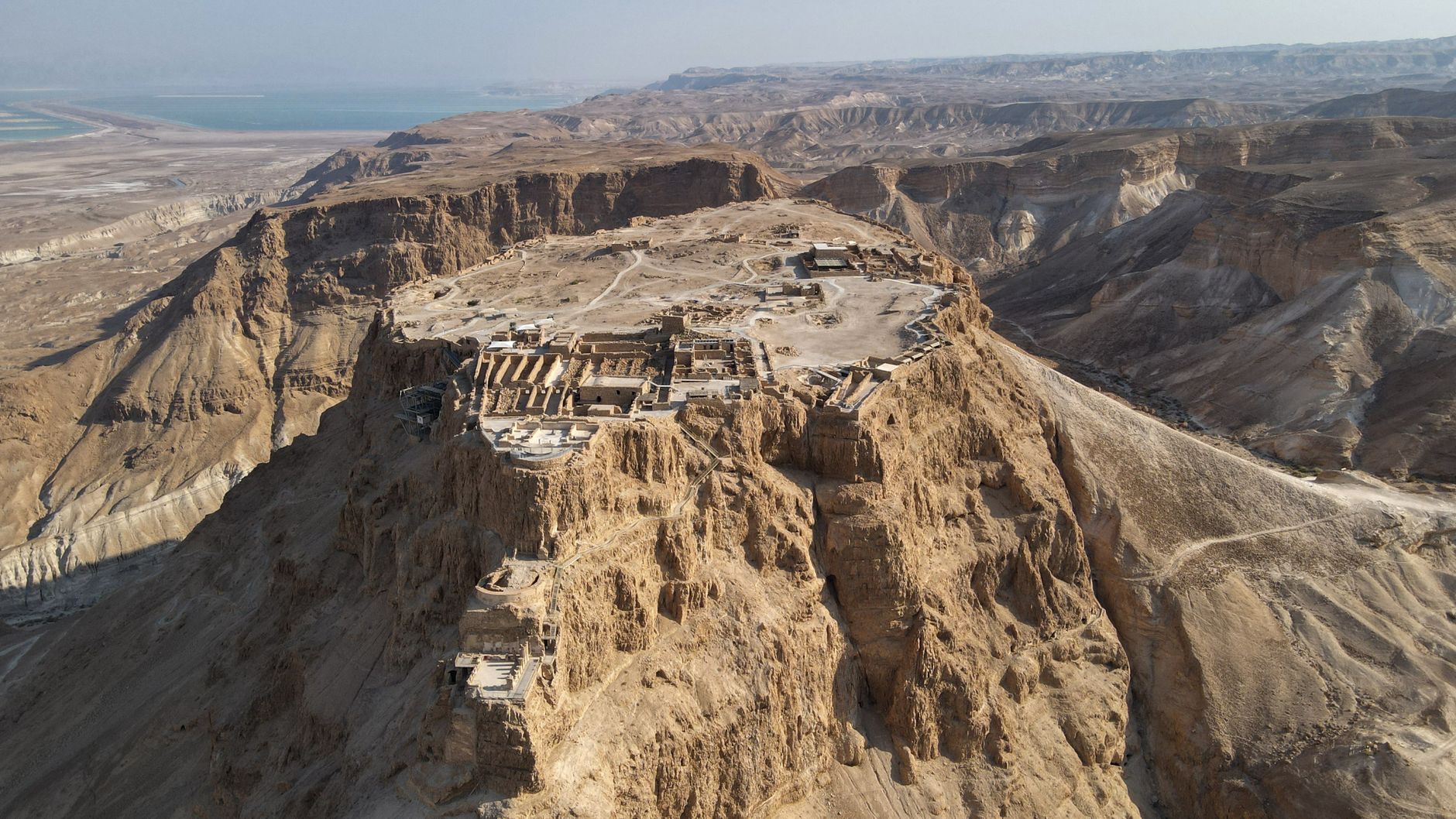


Masada sits ninety minutes south of Jerusalem along Route 90, rising four hundred metres above the Judean Desert and the Dead Sea. It is known for Herod the Great's palace complex and the dramatic Roman siege of 73 CE. Masada is worth visiting if you want to walk monumental first-century archaeology and climb the Snake Path before sunrise. Look elsewhere if you want shaded streets, dining options, or urban nightlife.
Last updated 16 Oct 2026
Build a Masada itinerary.
Choose up to 4 threads that pull you in. Your plan arrives organised around them.
The Bed
Where to stay in Masada
Which part of town to book, and what each one costs you in walking, noise or quiet.
The Comparison
Masada, or somewhere near it
The places you are realistically choosing between, and the honest case for each.
The Local Record
Where to read more about Masada
The blogs, boards, guides and operators worth bookmarking.
What to do in Masada Southern District Israel
Masada is a self-contained national park perched on an isolated desert mesa. The day begins at dawn to beat the Judean sun, with visitors either hiking the switchbacks or riding the cable car to the summit. Up top, you explore Herod's multi-tiered palace, ancient storehouses, and intact siege works. It suits travellers eager for serious history and rugged desert topography.
24 hours in Masada Southern District Israel
Arrive before sunrise to hike the Snake Path or take the early cable car. Spend three hours exploring the Northern Palace and the synagogue, then visit the visitor centre museum. Refuel on hummus and schnitzel at the base before floating at nearby Ein Bokek beach twenty minutes south. Select 1 Day above to see it.
2 days in Masada Southern District Israel
A second day lets you explore the lush waterfalls and wild ibex of Ein Gedi Nature Reserve, ten minutes north. Drive west to Arad for spiced lamb and Bedouin bread, or view Masada's western approach where Roman legionaries built their assault ramp. Choose 2 Days to expand the plan.
3 days in Masada Southern District Israel
With three days, venture south to explore the chalk canyons of Mount Sodom and the desert springs of Ein Bokek canyon. Follow Route 90 down to the Arava valley for quiet dates, cold beer, and unhurried stargazing under clean desert skies.
Masada Southern District Israel itineraries by interest
Ancient History in Masada Southern District Israel
Walk Herod's Northern Palace terraces, examine Roman siege camps below, and see preserved fresco plaster from the first century BCE.
Desert Hiking in Masada Southern District Israel
Tackle the steep Snake Path before dawn or take the gentler Roman Ramp route from Arad across the barren Judean wilderness.
Scenic Viewpoints in Masada Southern District Israel
Watch the sun rise over the Dead Sea and the Jordanian mountains of Moab from the eastern casemate wall before the heat sets in.
Engineering Heritage in Masada Southern District Israel
Trace the massive carved water cisterns, stone aqueducts, and Roman bathhouse hypocaust heating systems built atop an isolated plateau.
Religious History in Masada Southern District Israel
Visit one of the world's oldest standing synagogues, where first-century Jewish rebels gathered during the Great Revolt.
Wildlife Watching in Masada Southern District Israel
Spot Tristram's starling calling along the crags and Nubian ibex foraging near the base of the cliffs along Route 90.
Day Trips in Masada Southern District Israel
Combine Masada with a salty float at Ein Bokek or a hike past desert waterfalls in the freshwater oasis of Ein Gedi.
Archaeology in Masada Southern District Israel
Explore Yigael Yadin's famous 1960s excavations, viewing pottery ostraca, storage complexes, and Mosaic tile floors.
Bedouin Culture in Masada Southern District Israel
Drive west toward Arad for traditional Bedouin hospitality, cardamom coffee, taboon bread, and slow-cooked lamb zarb.
Geological Formations in Masada Southern District Israel
Examine the eroded marl badlands, salt caves of Mount Sodom, and dry desert wadis slicing through the Jordan Rift Valley.
Sound and Light in Masada Southern District Israel
Watch the nighttime amphitheatre spectacle on the western slope, projecting the siege story directly onto the mountain face.
Photography in Masada Southern District Israel
Capture long morning shadows falling across the Roman circumvallation wall and the pale blue mineral flats of the Dead Sea.