Matemwe.


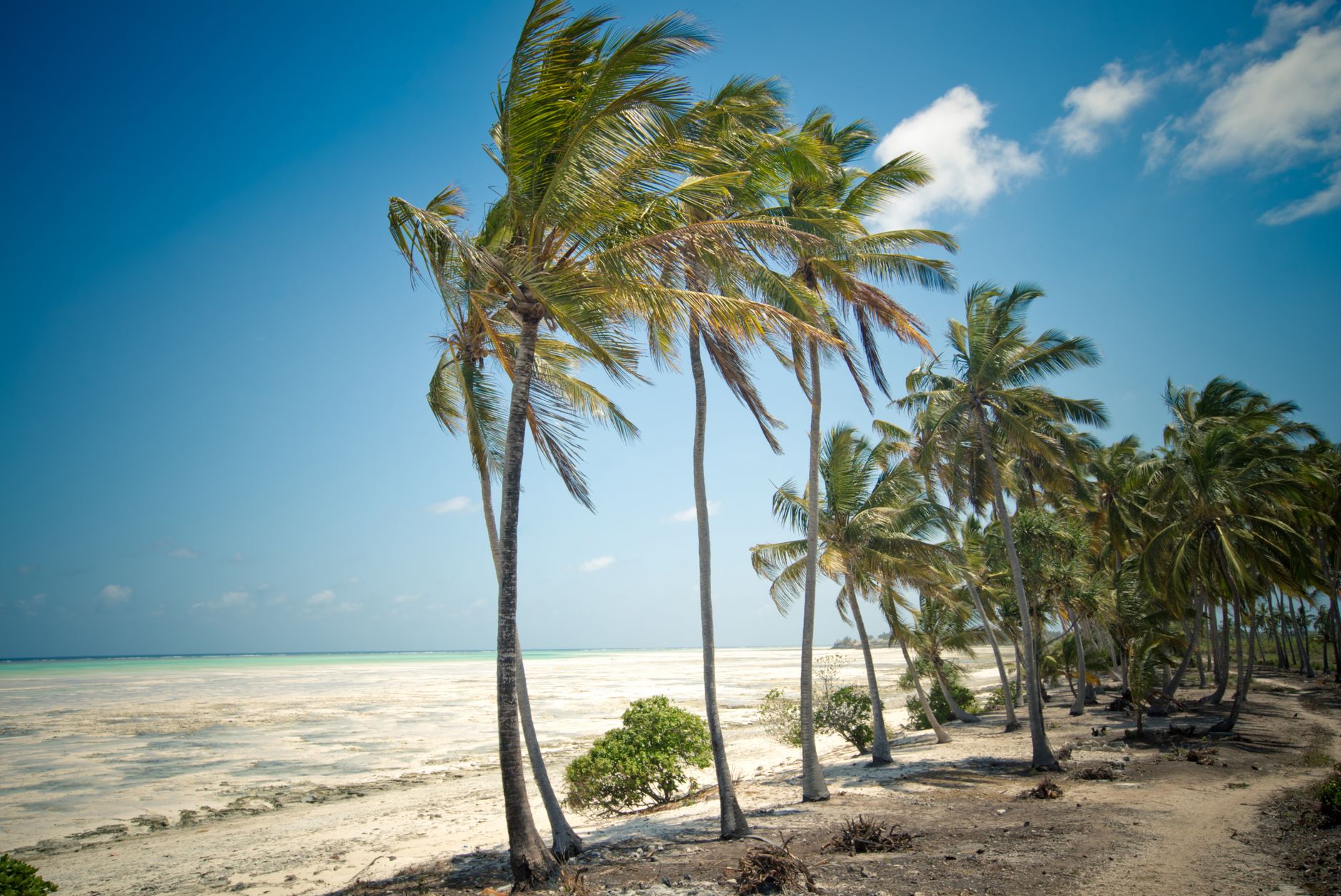


Matemwe sits on Zanzibar’s northeast coast, an easy ninety-minute drive from Stone Town and the airport along tarmac roads. It is known primarily for its working dhow anchorage, shallow tidal flats, and proximity to the coral reefs of Mnemba Atoll. Matemwe is worth visiting if you want quiet coastlines, fresh seafood cooked simply, and direct access to marine life. Look elsewhere if you want paved promenades, late-night bars, or water that stays deep at low tide.
Last updated 6 Nov 2026
Build a Matemwe itinerary.
Choose up to 4 threads that pull you in. Your plan arrives organised around them.
The Bed
Where to stay in Matemwe
Which part of town to book, and what each one costs you in walking, noise or quiet.
The Comparison
Matemwe, or somewhere near it
The places you are realistically choosing between, and the honest case for each.
The Local Record
Where to read more about Matemwe
The blogs, boards, guides and operators worth bookmarking.
What to do in Matemwe Zanzibar North Tanzania
Matemwe is strung out along miles of fine coral sand, backdropped by coconut palms and low coral-stone houses. Life here follows the moon and the tide clock: when the ocean retreats, women walk out to tend seaweed plots, and when it floods, dhows return with the daily catch. It suits independent travellers who prefer quiet mornings, fresh reef fish, and unhurried days over beach bars and organised resort games.
24 hours in Matemwe Zanzibar North Tanzania
Board a wooden dhow early for an eighty-minute sail to Mnemba Atoll to snorkel the coral gardens before midday crowds arrive. Return to Matemwe beach for lunch of grilled snapper and coconut rice at a local banda, then walk the low-tide flats at sunset before dining on fresh octopus curry. Select 1 Day above to see it.
2 days in Matemwe Zanzibar North Tanzania
Spend your second morning exploring the seaweed farming plots with the local women's cooperative, followed by fresh chapati and spiced tea in Matemwe village. In the afternoon, head ten minutes north to Muyuni Beach for quiet swimming when the high tide rolls back in. Choose 2 Days to expand the plan.
3 days in Matemwe Zanzibar North Tanzania
A third day allows an unhurried dive trip to the outer reefs at Kichwani, followed by a short twenty-minute drive north to Nungwi to inspect the hand-hewn dhow yards. Finish with grilled lobster cooked over coconut husks back at Matemwe as the evening fishing fleet sets out.
Matemwe Zanzibar North Tanzania itineraries by interest
Marine Life in Matemwe Zanzibar North Tanzania
Snorkel the shallow reef wall at Mnemba Atoll for green turtles, trumpetfish, and blue-spotted rays, best booked via local boatmen at high tide.
Local Seafood in Matemwe Zanzibar North Tanzania
Eat mchuzi wa pweza (octopus in spiced coconut curry) and grilled kingfish purchased right off the dhows at the afternoon beach auction.
Traditional Fishing in Matemwe Zanzibar North Tanzania
Watch wooden ngalawa outriggers launch at sunrise and observe the afternoon fish weigh-in where red snapper and squid change hands daily.
Coastal Walks in Matemwe Zanzibar North Tanzania
Walk the vast tidal flats at low tide out toward the barrier reef, watching village women tend their underwater seaweed farms on wooden stakes.
Boat Trips in Matemwe Zanzibar North Tanzania
Hire a local wooden dhow from the village sandbar for a morning drift along the outer reef, avoiding motorized package catamarans.
Village Life in Matemwe Zanzibar North Tanzania
Stroll the unpaved alleys between coral-rag houses behind the palm line, stopping for fried cassava and sweet mandazi from roadside vendors.
Scuba Diving in Matemwe Zanzibar North Tanzania
Dive sites like Kichwani and Wattabomi offer 20-meter drop-offs, drift currents, garden eels, and occasional sightings of reef sharks.
Architecture in Matemwe Zanzibar North Tanzania
Inspect vernacular Swahili coral-stone buildings and Makuti thatch roofing techniques designed to catch crosswinds along the coastal fringe.
Local Agriculture in Matemwe Zanzibar North Tanzania
Learn how red seaweed (Eucheuma) is harvested, dried on woven palm mats in the sun, and processed into soaps and cosmetics by local cooperatives.
Photography in Matemwe Zanzibar North Tanzania
Catch the dramatic contrast of turquoise shallows and dark blue ocean shelf at mid-tide, framed by silhouettes of lateen-rigged dhows.
Day Trips in Matemwe Zanzibar North Tanzania
Drive thirty minutes south to Kiwengwa for cave swimming at Kuza Cave or north to Nungwi to see traditional dhow boatbuilders at work.
Street Food in Matemwe Zanzibar North Tanzania
Order fresh chapati, grilled mshikaki beef skewers, and spiced ginger tea from small corrugated-roof kiosks near the main village school.