Maun.


Located an eighty-minute flight north of Gaborone or five hours by road from Nata, Maun sits on the Thamalakane River as the operational hub for delta aviation and safari staging. The town runs on aviation fuel, slow river currents, and butcheries carving grass-fed beef. Maun is worth visiting if you want to board six-seater bush planes over wetlands, pole traditional mokoro canoes, or eat stewed seswaa. Look elsewhere if you expect a walkable historic centre, paved sidewalks, or nightlife beyond open-air riverside beer gardens.
Last updated 15 Oct 2026
Build a Maun itinerary.
Choose up to 4 threads that pull you in. Your plan arrives organised around them.
The Bed
Where to stay in Maun
Which part of town to book, and what each one costs you in walking, noise or quiet.
The Comparison
Maun, or somewhere near it
The places you are realistically choosing between, and the honest case for each.
The Local Record
Where to read more about Maun
The blogs, boards, guides and operators worth bookmarking.
What to do in Maun North-West District Botswana
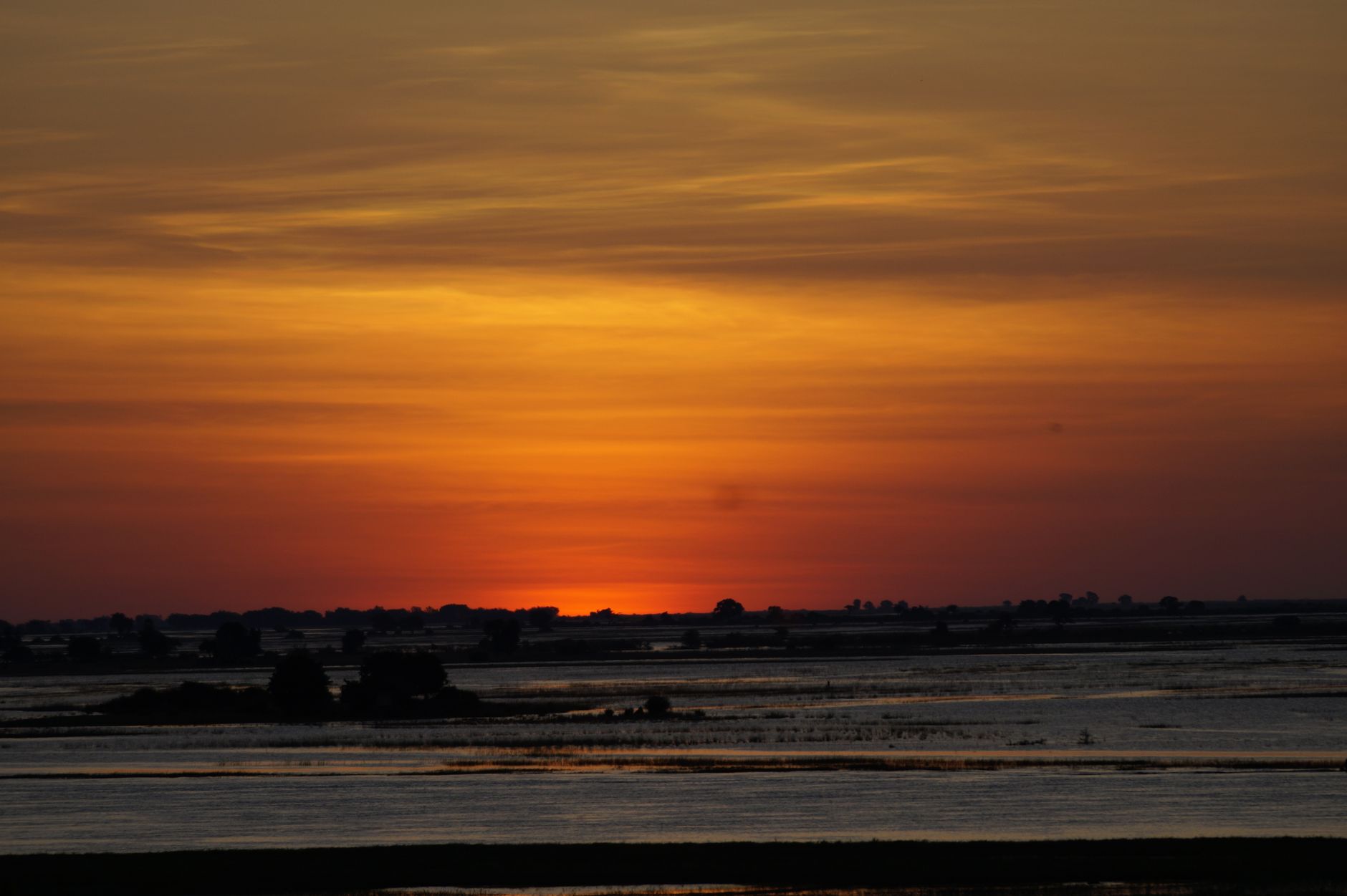
Maun sprawls along the lazy brown waters of the Thamalakane River, where safari supply trucks rattle past cattle wandering unbothered across tarmac. The day starts at sunrise around the bustling airport and winds down over a cold beer on a shaded wooden river deck. It suits independent overlanders, birders, and travellers looking for unvarnished bush logistics rather than manicured resort polish.
24 hours in Maun North-West District Botswana
Start early watching bush planes spool up at Maun Airport before booking an hour-long aerial loop over Chief's Island. Grab a lunch of seswaa and pap near the Old Mall, then spend the late afternoon watching hippos and kingfishers on the Thamalakane River. Allow twenty minutes for any cross-town taxi journey. Select 1 Day above to see it.
2 days in Maun North-West District Botswana
A second day takes you thirty minutes north on a sandy track to Boro Mokoro Station for a silent morning glide through papyrus channels. Return for lunch at a riverside terrace along Sir Seretse Khama Road, then explore woven basket displays and local history at Nhabe Museum before sunset. Choose 2 Days to expand the plan.
3 days in Maun North-West District Botswana
Three days allows an early morning self-drive or guided day trip into Moremi Game Reserve's South Gate, roughly ninety minutes away. You will navigate mopane woodland, cross wooden pole bridges, and return to town late for grilled t-bone steaks at a local braai stand without rushing.
Maun North-West District Botswana itineraries by interest
Traditional Cooking in Maun North-West District Botswana
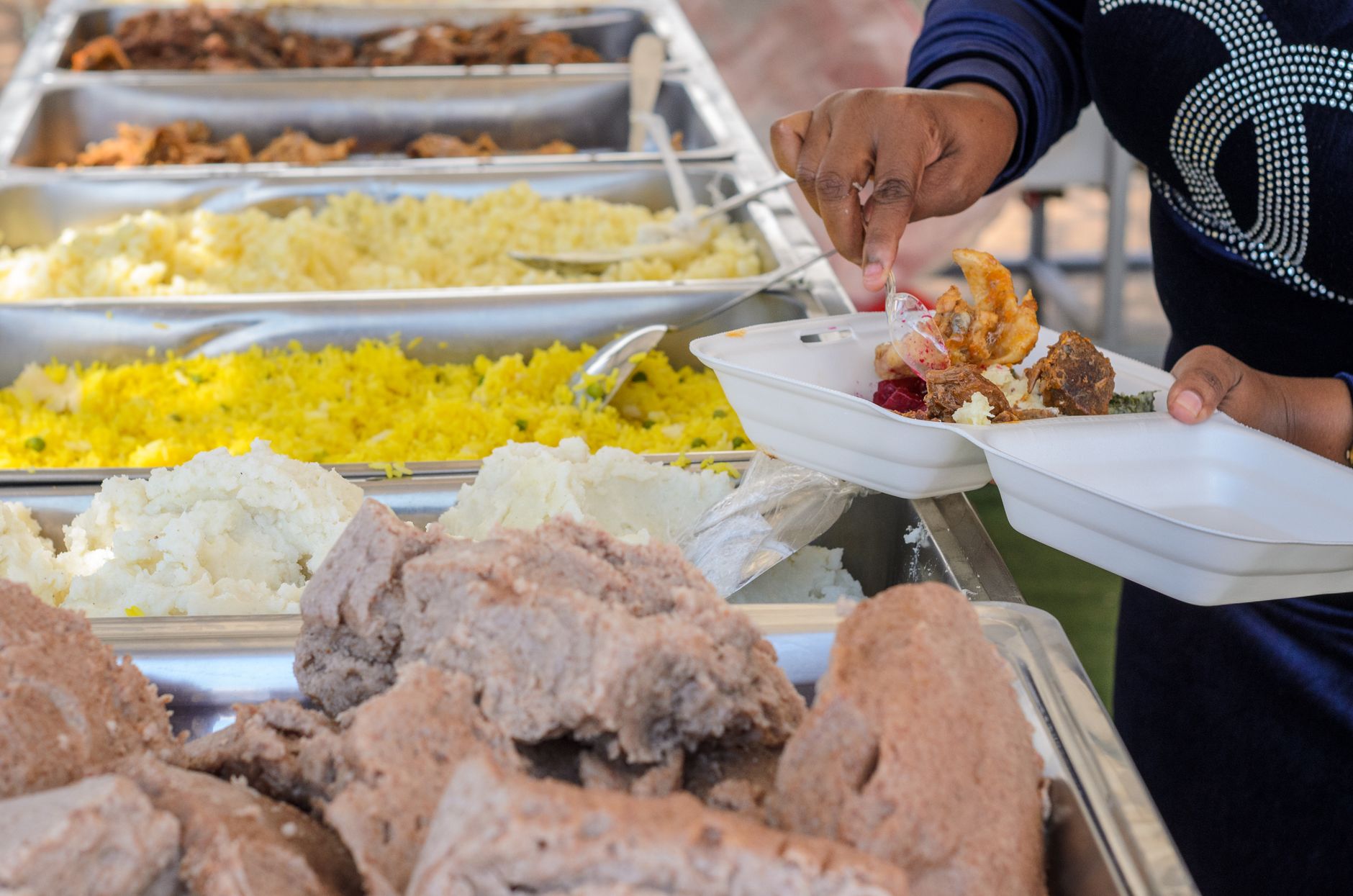
Order shredded beef seswaa pounded with salt and served alongside stiff white bogobe pap and wild morogo greens at simple roadside lunch spots.
River Life in Maun North-West District Botswana
Board a carved fiberglass mokoro at Boro station to drift through papyrus reed channels propelled by a poler with a wooden ngashi.
Aviation in Maun North-West District Botswana
Charter a Cessna 206 from Maun International Airport for low-altitude scenic loops over delta floodplains and hippo pods.
Craft Traditions in Maun North-West District Botswana
Examine coiled palm-leaf baskets dyed with wild euclea roots woven by Bayei and Hambukushu women at the Nhabe Museum shop.
Local Markets in Maun North-West District Botswana
Browse fresh mopane worms, wild tswana watermelons, and sour milk madila sold along the central strip by the main taxi rank.
Wildlife Tracking in Maun North-West District Botswana
Drive two hours north to Moremi Game Reserve along the southern edge to spot wild dogs, lechwe antelope, and breeding elephant herds.
Local Taverns in Maun North-West District Botswana
Sip cold St Louis lager and cider on the deck of riverfront bars along the Thamalakane while pied kingfishers dive at dusk.
Archaeology in Maun North-West District Botswana
Drive west toward Tsodilo Hills to inspect thousands of red-ochre rock art paintings etched into San sacred quartz hills.
Street Food in Maun North-West District Botswana
Pick up fresh fat cakes, known as magwinya, wrapped in brown paper bags from morning griddles near the Old Mall.
Canoeing & Kayaking in Maun North-West District Botswana
Paddle sit-on-top kayaks down the slow Thamalakane River past grazing donkeys, flowering water lilies, and riverbank reeds.
Cultural History in Maun North-West District Botswana
Tour the 1930s stone-walled Nhabe Museum to view regional Batawana artifacts, hunting gear, and early pioneer maps.
Day Trips in Maun North-West District Botswana
Head south along the A3 to the salt crusts of Makgadikgadi Pans for dry-season mirages and meerkats emerging from burrows.