
.jpg)

Sitting twenty minutes east of Nice by regional train, Monaco is a compact principality known for its deep-water harbour and vertical cliffside streets. Public elevators cut the climb from Port Hercule to the palace. Monaco is worth visiting if you want to explore a dense Mediterranean headland on foot, study Belle Époque architecture, and eat warm chard barbagiuan at the morning market. Look elsewhere if you want budget travel, broad sandy beaches, or quiet countryside.
Last updated 2 Oct 2026
Build a Monaco itinerary.
Choose up to 4 threads that pull you in. Your plan arrives organised around them.
The Bed
Where to stay in Monaco
Which part of town to book, and what each one costs you in walking, noise or quiet.
The Comparison
Monaco, or somewhere near it
The places you are realistically choosing between, and the honest case for each.
The Local Record
Where to read more about Monaco
The blogs, boards, guides and operators worth bookmarking.
What to do in Monaco Monaco Monaco
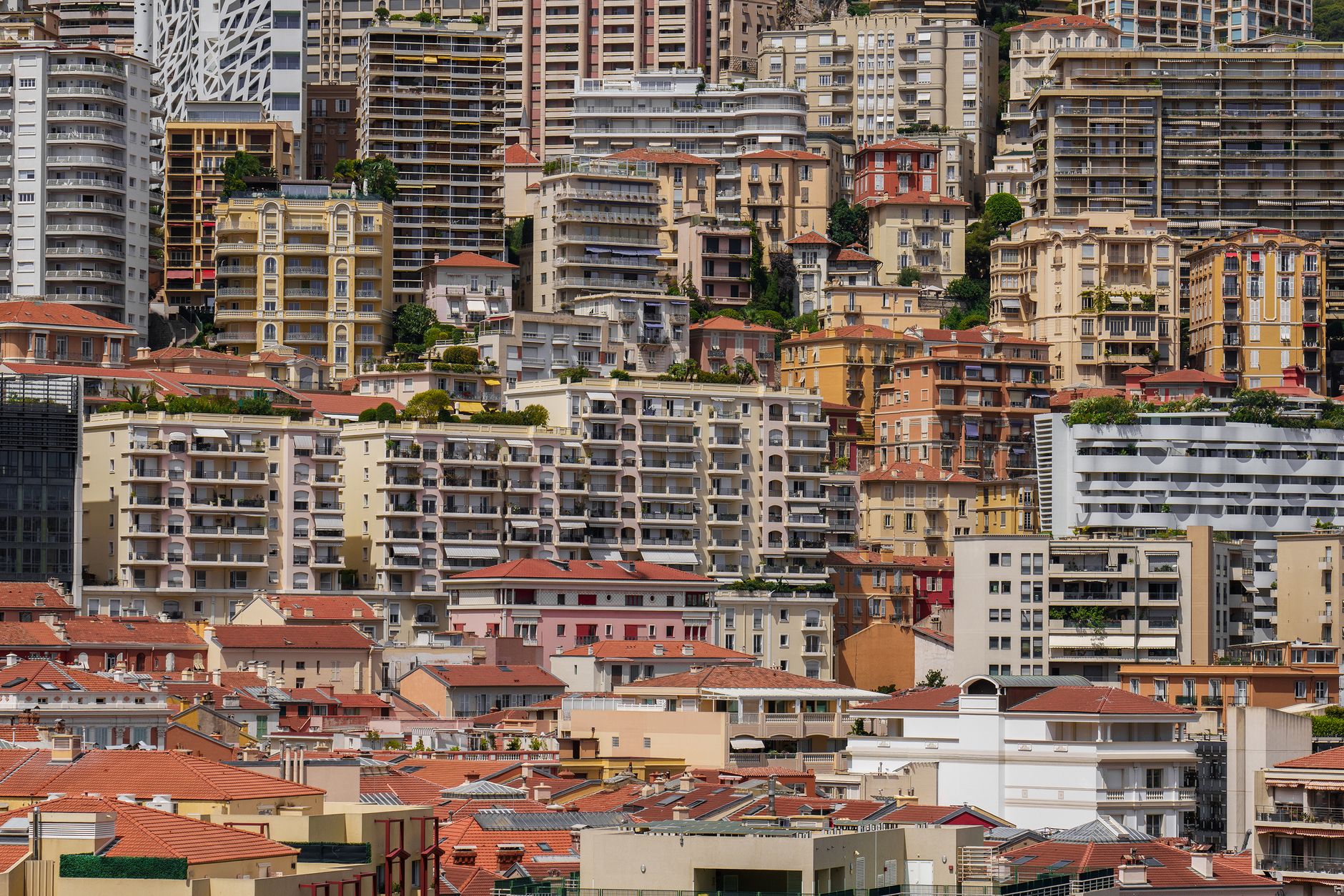
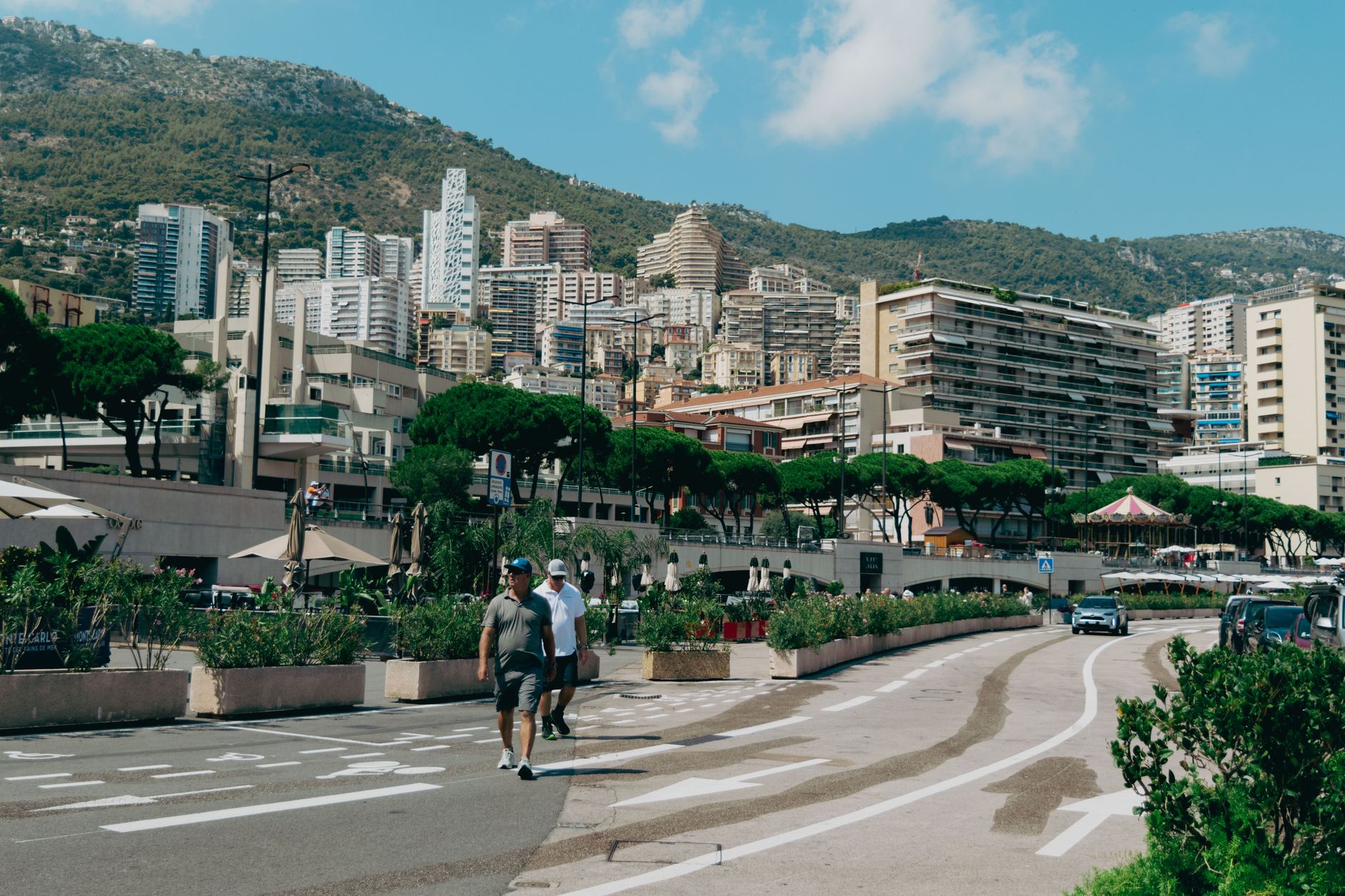
Monaco packs an astonishing amount of vertical life onto a narrow coastal shelf. Days revolve around climbing the limestone headland of Le Rocher, watching boat traffic across Port Hercule, and sampling chard pastries in La Condamine. It suits walkers who enjoy compact cities, engineering marvels like the public cliff elevators, and classic Mediterranean coastal light.
24 hours in Monaco Monaco Monaco
Start early at Place d'Armes with hot socca and coffee, then take the ramp to Le Rocher for the midday palace guard change. Spend the afternoon at the Oceanographic Museum before walking the harbour curve to Monte-Carlo for an evening stroll through Place du Casino. Select 1 Day above to see it.
2 days in Monaco Monaco Monaco
A second day lets you explore the tranquil Japanese Garden on Avenue Princesse Grace and swim at Larvotto beach. Walk westward along the cliff path toward Cap d'Ail for grilled sea bass at a seaside bistro, avoiding the mid-afternoon tour crowds in the center. Choose 2 Days to expand the plan.
3 days in Monaco Monaco Monaco
Three days give you time to catch the morning bus up the Moyenne Corniche to the clifftop village of Èze, or take the train to Menton's citrus groves. Back in the principality, spend an unhurried morning browsing modern exhibitions at Villa Paloma.
Monaco Monaco Monaco itineraries by interest
Local Cuisine in Monaco Monaco Monaco
Order fried barbagiuan pastries stuffed with Swiss chard and ricotta, or try socca and stocafi salt cod stew at the covered Marché de la Condamine.
Maritime Heritage in Monaco Monaco Monaco
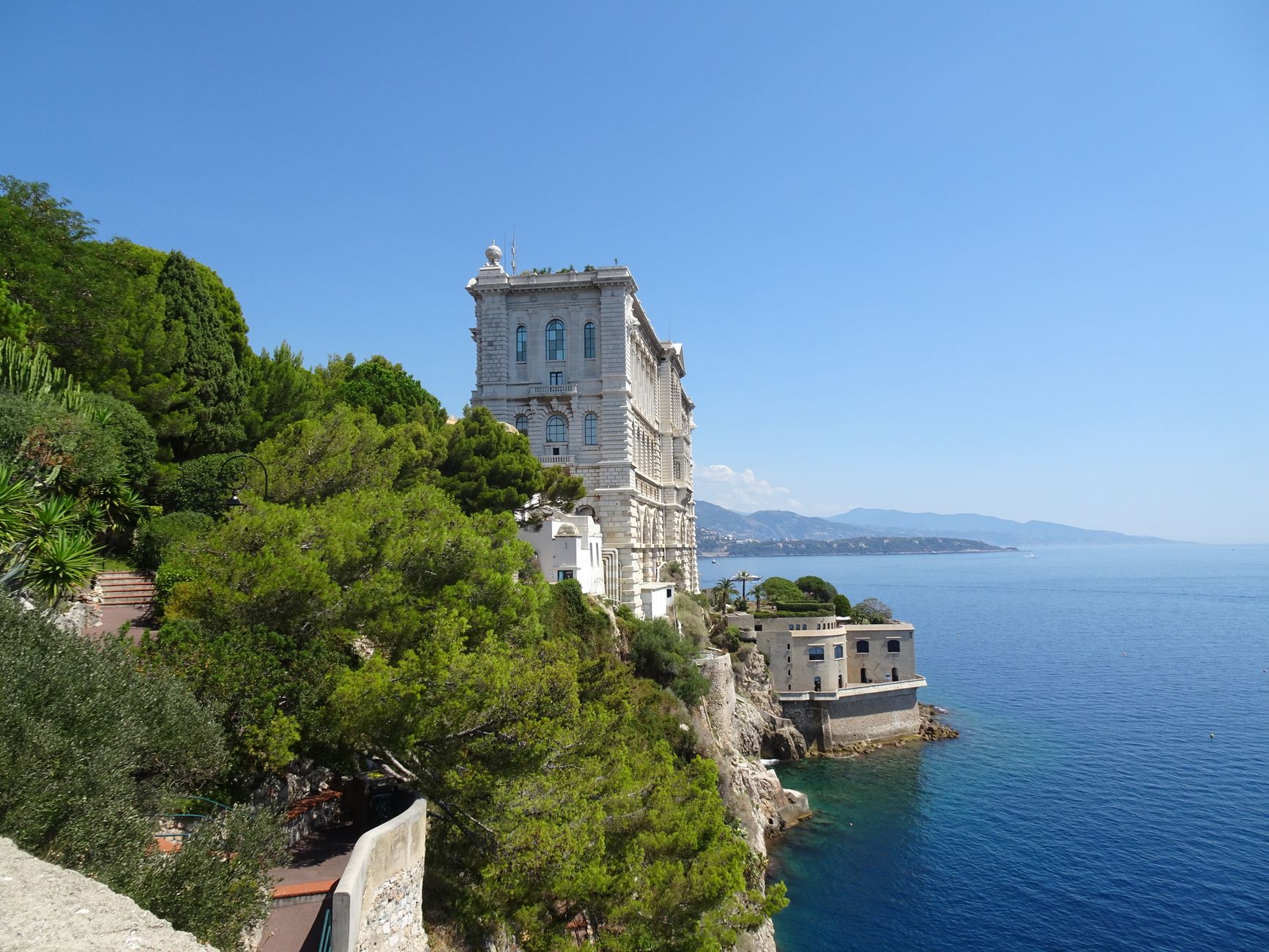
Tour the 1910 Oceanographic Museum perched on the cliff of Le Rocher, housing Mediterranean aquariums and early marine exploration equipment.
Botanical Gardens in Monaco Monaco Monaco
Climb through the Jardin Exotique along the cliffside paths to see thousands of mature succulents, giant cacti, and pre-Ice Age limestone grottos.
Scenic Walking in Monaco Monaco Monaco
Take the coastal Sentier du Bord de Mer path from Larvotto beach around the rocky Cap d'Ail headland, enjoying quiet benches and maritime pine shade.
Historic Architecture in Monaco Monaco Monaco
Walk the narrow 16th-century lanes of Le Rocher to the Prince's Palace, then visit the 1878 Saint Nicholas Cathedral built from white La Turbie stone.
Historic Casinos in Monaco Monaco Monaco
Step into the 1863 Casino de Monte-Carlo to view Charles Garnier's ornate gaming rooms, gilded ceilings, and Bohemian crystal chandeliers before noon.
Motorsport History in Monaco Monaco Monaco
Trace the Grand Prix circuit on foot, from the tight Fairmont hairpin to the tunnel beneath the Fairmont hotel and the sweeping harborfront chicanes.
Covered Markets in Monaco Monaco Monaco
Browse Marché de la Condamine in Place d'Armes by 8:00 AM for fresh Monegasque fougasse, local Provençal olives, and warm chickpea flour flatbreads.
Public Parks in Monaco Monaco Monaco
Rest among manicured ponds, stone lanterns, and pruned pines at the Japanese Garden on Avenue Princesse Grace, designed according to Zen principles.
Day Trips in Monaco Monaco Monaco
Catch regional bus 602 up to the medieval clifftop village of Èze, or ride the train eight minutes east to the quiet Italianate waterfront of Menton.
Modern Art in Monaco Monaco Monaco
Visit Villa Paloma and Villa Sauber, two historic mansions that house rotating contemporary art exhibitions for the Nouveau Musée National de Monaco.
Harbour Walks in Monaco Monaco Monaco
Stroll along the quays of Port Hercule to watch classic wooden yachts and modern superyachts, stopping for an espresso at a quayside café table.