

Mustafapaşa sits ten kilometres south of Ürgüp, roughly a fifty-minute drive from Nevşehir Kapadokya Airport. The town is known for its carved nineteenth-century Greek stone mansions, rock-cut Byzantine chapels, and the quiet Gomeda Valley trail. Mustafapaşa is worth visiting if you want to study intricate stonework and eat slow clay-pot stews without tour buses blocking the street. Look elsewhere if you want late-night cocktail bars, luxury cave clubs, or flat walking terrain.
Last updated 10 Oct 2026
Build a Mustafapaşa itinerary.
Choose up to 4 threads that pull you in. Your plan arrives organised around them.
The Bed
Where to stay in Mustafapaşa
Which part of town to book, and what each one costs you in walking, noise or quiet.
The Comparison
Mustafapaşa, or somewhere near it
The places you are realistically choosing between, and the honest case for each.
The Local Record
Where to read more about Mustafapaşa
The blogs, boards, guides and operators worth bookmarking.
What to do in Mustafapaşa Nevşehir Turkey
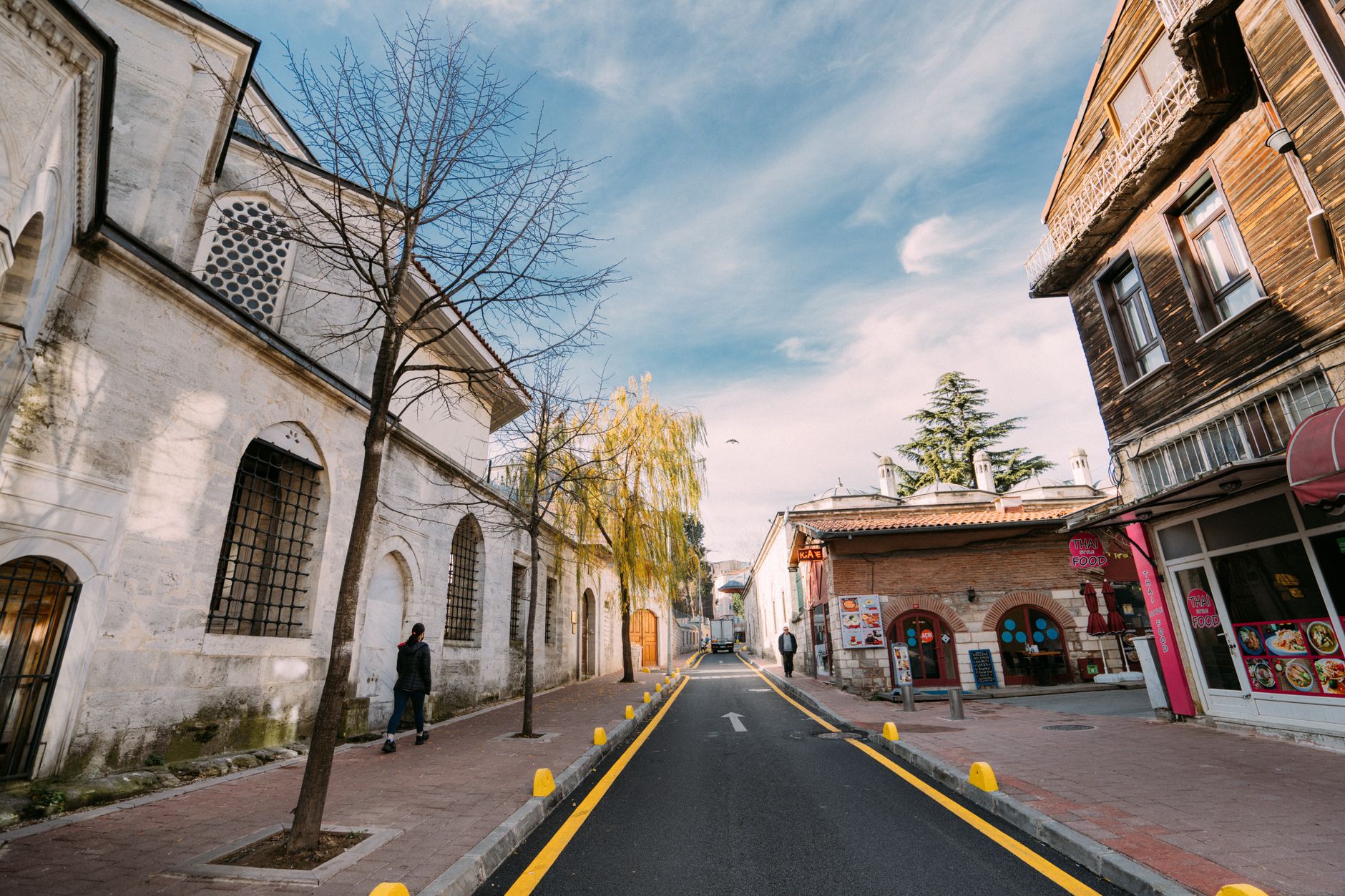
Mustafapaşa is a compact, stone-built village arranged around Cumhuriyet Meydanı and steep cobblestone alleys. Days revolve around unhurried walks past neoclassical Greek facades, tea with local tradespeople under the plane trees, and afternoon trail walks into Gomeda Valley. It suits independent travellers, architectural historians, and anyone seeking Cappadocia's older, quieter rhythm.
24 hours in Mustafapaşa Nevşehir Turkey
Start early at the Church of Constantine and Helena before the sun warms the stone. Walk the quiet lanes of Asmalı Konak street, lunch on mantı and lentil soup at a family lokanta, and spend late afternoon walking the cliff base of Saint Nicholas Monastery. Select 1 Day above to see it.
2 days in Mustafapaşa Nevşehir Turkey
Day two brings Gomeda Valley. Pack water for a three-hour hike among pigeon houses and wild mint, followed by grilled lamb and Emir wine in nearby Ürgüp, finishing with sunset views over the rock formations of Damsa Dam. Choose 2 Days to expand the plan.
3 days in Mustafapaşa Nevşehir Turkey
A third day allows an easy southward drive to Mazı Underground City, avoiding the heavy crowds of Kaymaklı, before continuing to the remote rock-cut churches and quiet walnut orchards of Soğanlı Valley for fresh wood-fired trout.
Mustafapaşa Nevşehir Turkey itineraries by interest
Stone Architecture in Mustafapaşa Nevşehir Turkey
Examine carved neoclassical portals, courtyard konaks, and lintels left by the town's pre-1924 Ottoman Greek merchants.
Sacred Architecture in Mustafapaşa Nevşehir Turkey
Visit the Church of Constantine and Helena on the square and walk down to the rock-hewn Saint Nicholas Monastery.
Valley Hiking in Mustafapaşa Nevşehir Turkey
Follow the trail into Gomeda and Üzengi Valleys to find carved dovecotes, wild mint along the stream, and cave churches.
Regional Cooking in Mustafapaşa Nevşehir Turkey
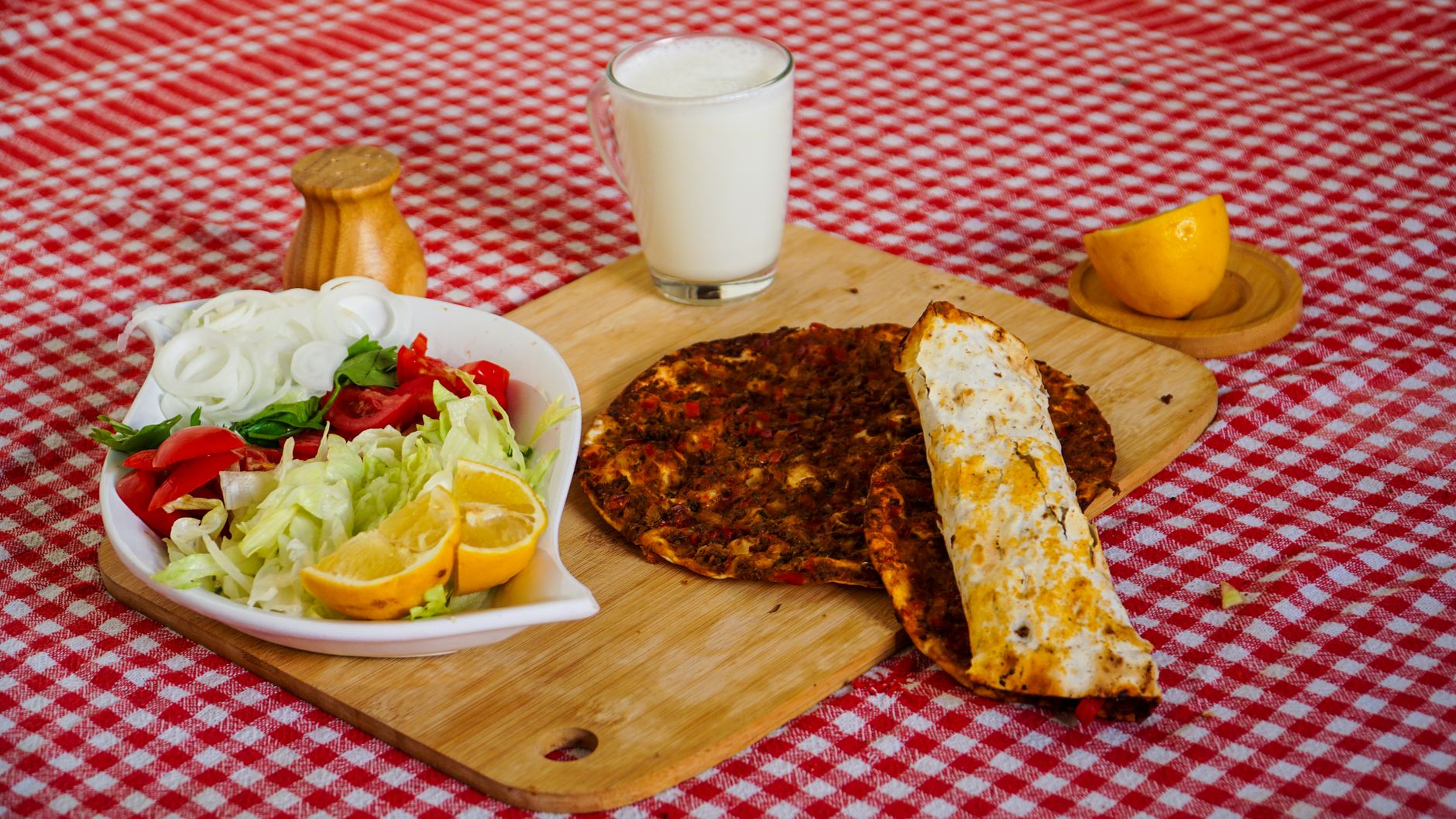
Order slow-baked kuru fasulye in clay pots, handmade manti dumplings, and grape-leaf sarma at family-run village tables.
Wine & Vineyards in Mustafapaşa Nevşehir Turkey
Taste crisp white Emir and tannic Öküzgözü wines produced from high-altitude volcanic vineyards across the surrounding hills.
Craft Traditions in Mustafapaşa Nevşehir Turkey
Watch local potters shape red clay and women weave traditional wool rugs in restored stone workshops near the village square.
Village Life in Mustafapaşa Nevşehir Turkey
Sit under the plane trees on Cumhuriyet Meydanı for black tea, backgammon clatter, and morning bakery flatbreads.
Rock-Cut Heritage in Mustafapaşa Nevşehir Turkey
Climb into hidden Byzantine monastic cells, carved refectories, and frescoed niches along the walls of Gomeda Valley.
Boutique Stays in Mustafapaşa Nevşehir Turkey
Sleep in vaulted stone bedrooms inside restored nineteenth-century merchant konaks with cool courtyards and timber ceilings.
Day Trips in Mustafapaşa Nevşehir Turkey
Drive twenty minutes to the cave churches of Soğanlı Valley or the quiet multi-level underground city at Mazı.
Local Produce in Mustafapaşa Nevşehir Turkey
Sample dried apricots, local walnuts, roasted pumpkin seeds, and dark grape molasses pressed from autumn harvests.
Photography in Mustafapaşa Nevşehir Turkey
Capture morning light across ornate stone facades on Asmalı Konak street and sweeping valley rims free of selfie crowds.