Napa.


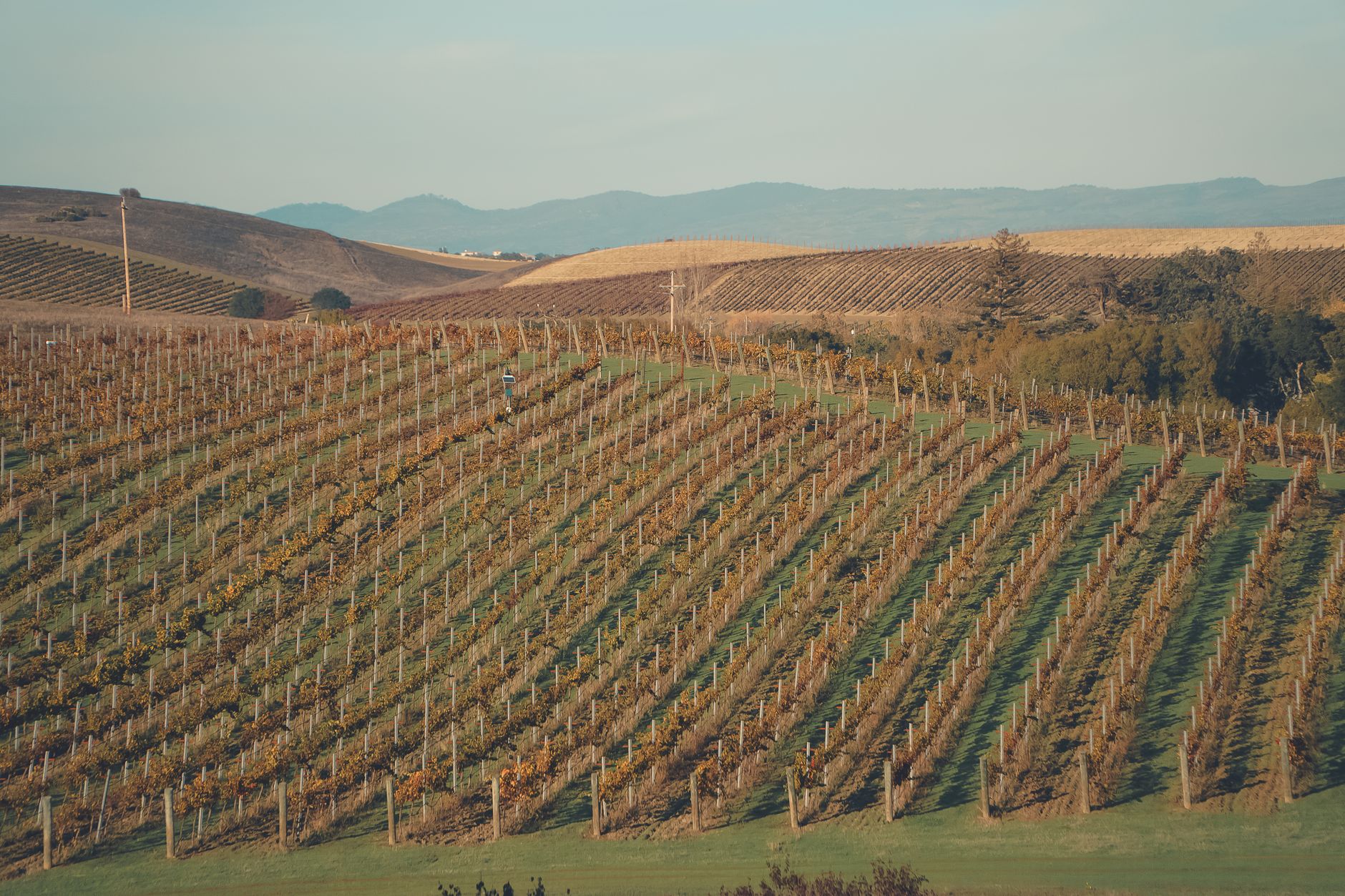
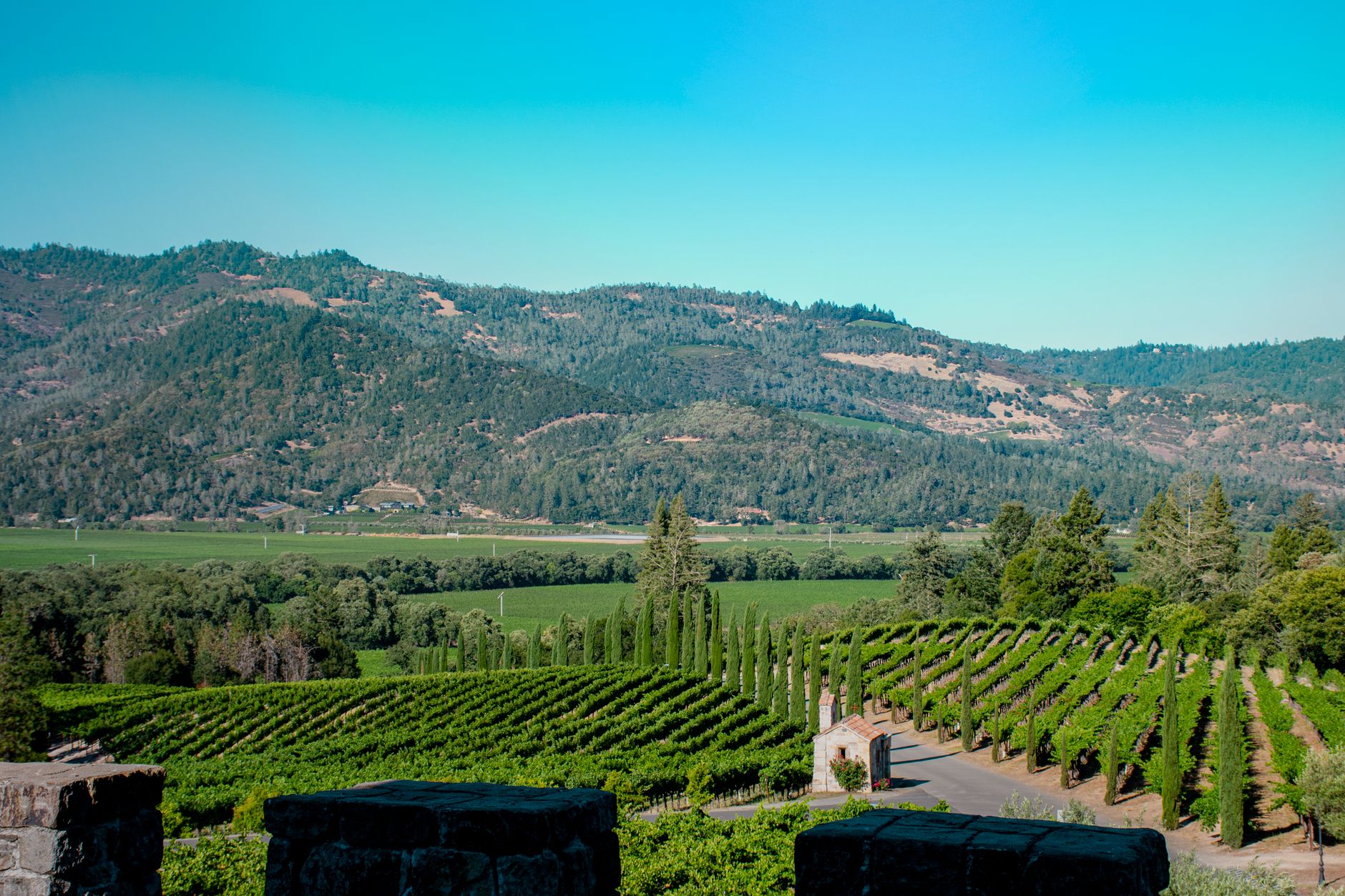
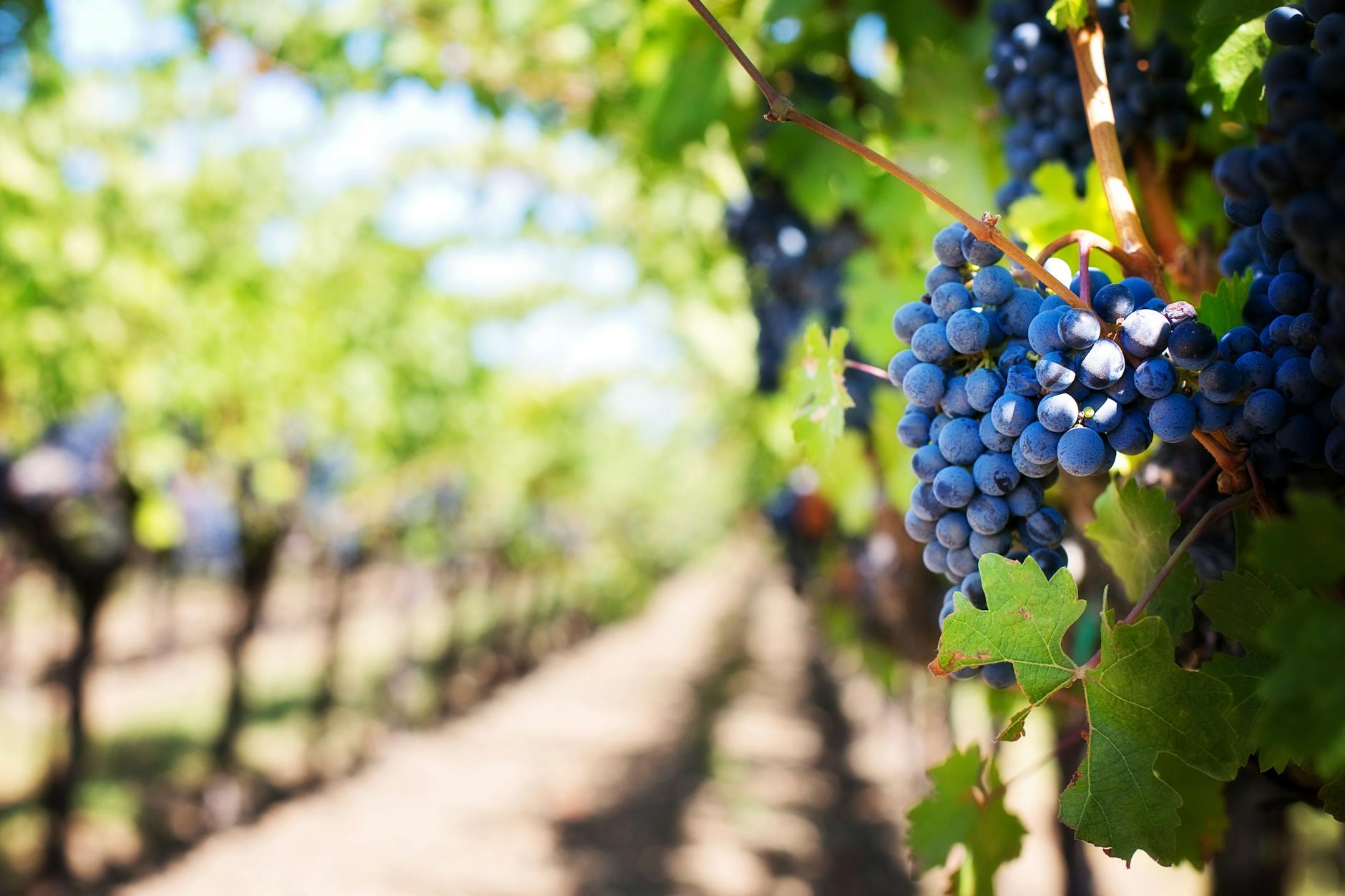

Morning fog burns off the Napa River by ten, revealing brick warehouses turned into kitchens and a flat grid of Victorian cottages. A butcher slices salt-cured salumi at Oxbow while freight tracks run quiet along First Street. This was once a rough-edged tanner and timber hub; today it anchors the valley with serious cellars, riverside tables, and straightforward hospitality. Napa is worth visiting if you want top-tier Cabernet Sauvignon tastings paired with walkable dining rather than country-club isolation. Look elsewhere if you want late-night nightlife, budget-friendly wine tastings, or rugged, unmanicured wilderness.
Last updated 3 Sept 2026
Build a Napa itinerary.
Choose up to 4 threads that pull you in. Your plan arrives organised around them.
The Bed
Where to stay in Napa
Which part of town to book, and what each one costs you in walking, noise or quiet.
The Comparison
Napa, or somewhere near it
The places you are realistically choosing between, and the honest case for each.
The Local Record
Where to read more about Napa
The blogs, boards, guides and operators worth bookmarking.
What to do in Napa Wine Country United States
The city of Napa anchors the southern valley floor along its tidal river, trading rural winery quiet for walkable streets, tasting rooms, and late-night kitchens. Days divide naturally between vineyard excursions along Highway 29 and evenings centered around First Street dining. It suits travellers who prefer strolling to dinner over designated-driver logistics.
24 hours in Napa Wine Country United States
Start early with coffee and English muffins at Oxbow Public Market. Walk the river promenade, then spend the afternoon tasting Coombsville Cabernet before an unhurried dinner of wood-roasted quail on Main Street. Everything downtown is within a twenty-minute walk. Select 1 Day above to see it.
2 days in Napa Wine Country United States
Dedicate your morning to Skyline Wilderness Park trails or Carneros Chardonnay cellars. Cross into the Oak Knoll District for afternoon tastings, then head back for dry-aged steak and old-vine Zinfandel at a historic brick tavern along Third Street. Choose 2 Days to expand the plan.
3 days in Napa Wine Country United States
Take the Silverado Trail north to Calistoga for volcanic mud baths, stopping at St. Helena for lunch. Return south via back roads to explore modern sculpture at di Rosa, finishing with an easy patio dinner by the Napa River basin.
Napa Wine Country United States itineraries by interest
Wine & Vineyards in Napa Wine Country United States
Sample benchmark Cabernet Sauvignon and Merlot at Mayacamas downtown or book tastings along Mount Veeder and the Oak Knoll District.
Markets & Produce in Napa Wine Country United States
Browse Oxbow Public Market for Model Bakery English muffins, Hog Island oysters, and locally churned butter from regional creameries.
Fine Dining in Napa Wine Country United States
Reserve months ahead for multi-course menus at La Toque or casual wood-fired California plates at Torc along First Street.
River Activities in Napa Wine Country United States
Rent a kayak or paddleboard on the tidal Napa River, tracking egrets and herons past downtown wharves down to the marshlands.
Historic Architecture in Napa Wine Country United States
Walk the Coombsville-adjacent residential streets to view preserved Queen Anne timber homes and 1880s stone winemaking facilities.
Contemporary Art in Napa Wine Country United States
Walk the downtown Art Walk outdoor sculpture route or visit di Rosa Center for Contemporary Art around its scenic Carneros lake.
Day Trips in Napa Wine Country United States
Drive twenty minutes north on Highway 29 or Silverado Trail to reach Yountville, St. Helena, and Calistoga geothermal pools.
Craft Spirits in Napa Wine Country United States
Taste botanical gins and small-batch ryes at Napa Valley Distillery inside the Oxbow district or their downtown speakeasy salon.
Casual Dining in Napa Wine Country United States
Grab smoked brisket sandwiches at Bounty Hunter Wine Bar or sit at roadside taco trucks parked along south Soscol Avenue.
Scenic Drives in Napa Wine Country United States
Navigate the winding curves of Silverado Trail or head up Oakville Grade for expansive valley views over terraced vine rows.
Hiking in Napa Wine Country United States
Climb through redwoods and chaparral at Westwood Hills Park or hike ridge trails overlooking San Pablo Bay in Skyline Wilderness.
Live Performance in Napa Wine Country United States
Catch touring folk, jazz, and indie acts inside the restored 1937 art deco Uptown Theatre or the riverfront Blue Note venue.