Nicoya.



Nicoya sits two hours south of Liberia along Route 21, serving as the commercial and cultural anchor of the peninsula. It is best known for its 1644 whitewashed parish church, bustling central market, and deep indigenous Chorotega roots that shape its traditional corn heritage. Nicoya is worth visiting if you want to explore colonial history, eat home-style Guanacasteco food at central market sodas, and observe everyday agricultural life. Look elsewhere if you want walkable beach access, upscale resort amenities, or late-night cocktail bars.
Last updated 5 Nov 2026
Build a Nicoya itinerary.
Choose up to 4 threads that pull you in. Your plan arrives organised around them.
The Bed
Where to stay in Nicoya
Which part of town to book, and what each one costs you in walking, noise or quiet.
The Comparison
Nicoya, or somewhere near it
The places you are realistically choosing between, and the honest case for each.
The Local Record
Where to read more about Nicoya
The blogs, boards, guides and operators worth bookmarking.
What to do in Nicoya Guanacaste Costa Rica
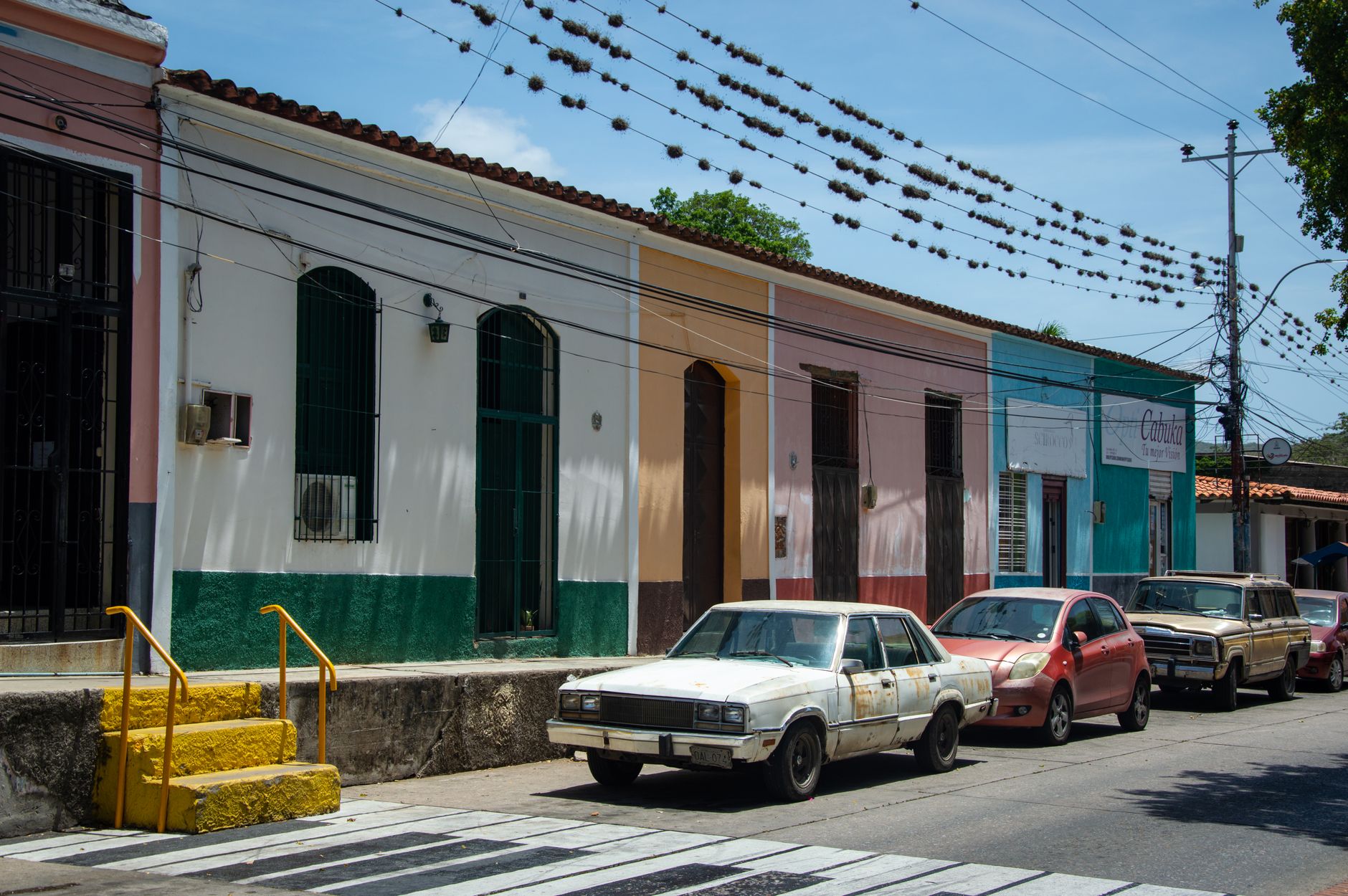
Life in Nicoya turns around Parque Recaredo Briceño and the adjacent Mercado Municipal. Mornings start early with vendors delivering fresh curd and wood-fired tortillas before the midday heat settles over the low-slung colonial streets. It suits travellers interested in Guanacaste’s agricultural backbone, indigenous heritage, and slow regional cooking rather than coastal leisure.
24 hours in Nicoya Guanacaste Costa Rica
Start at 8:00 AM with coffee and rosquillas inside Mercado Municipal, then walk across the plaza to tour the 1644 church of San Blas. Have a lunch of arroz de maíz at Soda La Naranja, and finish the late afternoon walking the shady perimeter of Parque Recaredo Briceño as the temperature drops. Select 1 Day above to see it.
2 days in Nicoya Guanacaste Costa Rica
Dedicate your second morning to the pottery village of Guaitil, twenty minutes north, where families still fire Chorotega earthenware in beehive kilns. Return to town for a bowl of slow-simmered pozol at Mercado Central before taking an evening stroll along Avenida Central. Choose 2 Days to expand the plan.
3 days in Nicoya Guanacaste Costa Rica
A third day allows an early morning climb down the limestone ladders of Barra Honda caves, thirty minutes southeast. Spend the afternoon cooling off under the canopy of Bosque Nacional Diriá before wrapping up with fresh chicheme and tamal asado back in town.
Nicoya Guanacaste Costa Rica itineraries by interest
Sacred Architecture in Nicoya Guanacaste Costa Rica
Visit the 1644 Parroquia San Blas on the central plaza, housing colonial-era indigenous religious artifacts and cool limestone masonry.
Market Traditions in Nicoya Guanacaste Costa Rica
Browse Mercado Municipal for fresh tortillas palmeadas, cuajada cheese, bagaces cheese, and clay pots shaped by Chorotega descendants.
Local Food in Nicoya Guanacaste Costa Rica
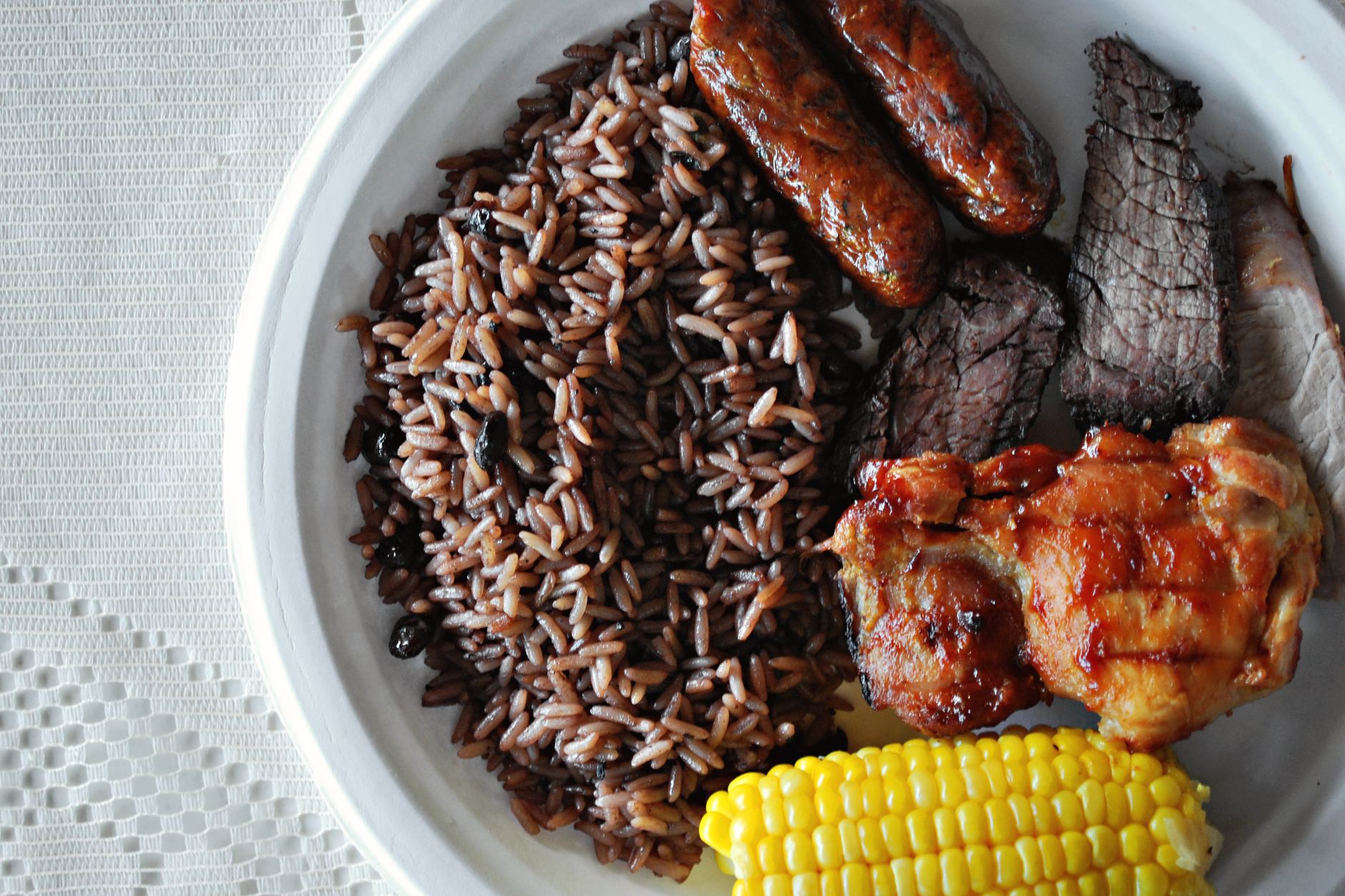
Order at market sodas for gallo pinto, arroz de maíz cooked with native white corn, pozol stew, and tender pork ribs braised in achiote.
Craft Traditions in Nicoya Guanacaste Costa Rica
Watch artisans in nearby Guaitil throw red clay vessels using ancestral Chorotega burnishing stones and natural iron oxide pigments.
Day Trips in Nicoya Guanacaste Costa Rica
Drive forty minutes south to Barra Honda National Park to descend limestone caverns using ladders guided by park rangers.
Caving & Geology in Nicoya Guanacaste Costa Rica
Explore Terciopelo and Trampa caves in Barra Honda, featuring calcified stalactites, dry forest trails, and howling capuchin monkeys.
Traditional Drinks in Nicoya Guanacaste Costa Rica
Sip chilled chicheme made from fermented purple corn and ginger, or try horchata spiced with cinnamon and roasted rice milk at plaza kiosks.
Regional History in Nicoya Guanacaste Costa Rica
Walk past the historic municipal museum to learn about the 1824 annexation of the Partido de Nicoya from Nicaragua into Costa Rica.
Dry Forest Walks in Nicoya Guanacaste Costa Rica
Hike trails through Bosque Nacional Diriá to spot white-nosed coatis, dry-forest cedar trees, and seasonal limestone creek beds.
Coffee & Pastries in Nicoya Guanacaste Costa Rica
Stop at local panaderías around Parque Central for rosquillas, tanelas baked with sweet corn and cheese, and freshly brewed local drip coffee.
Public Squares in Nicoya Guanacaste Costa Rica
Sit under ancient fig trees at Parque Recaredo Briceño as marimba bands play and street vendors shave ice for churchgoers on Sunday.
Folk Festivals in Nicoya Guanacaste Costa Rica
Watch December processions for the Virgen de Guadalupe featuring the Danza de la Yegüita and traditional marimba drumming along Avenida Central.