Nungwi.


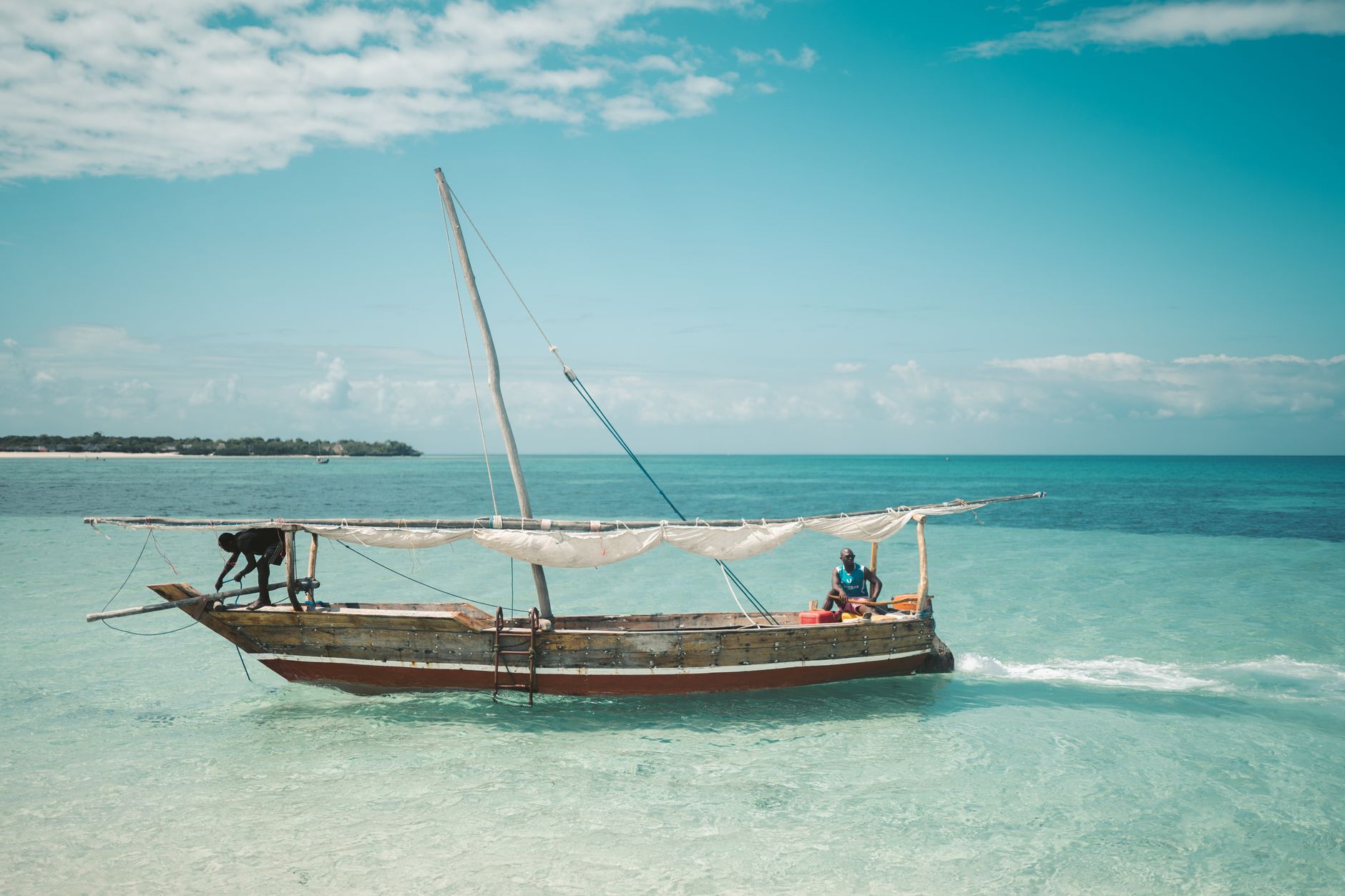


Nungwi sits at the northernmost point of Unguja, roughly ninety minutes by taxi or two hours by dala-dala from Stone Town. The village is known for its deep-water coastline that permits swimming at all tides, its active fish market, and its traditional wooden dhow boatbuilding yards along the sand. Nungwi is worth visiting if you want swimmable turquoise water without tide delays and seafood hauled directly from outrigger canoes. Look elsewhere if you want silent, empty beaches or polished colonial architecture.
Last updated 2 Oct 2026
Build a Nungwi itinerary.
Choose up to 4 threads that pull you in. Your plan arrives organised around them.
The Bed
Where to stay in Nungwi
Which part of town to book, and what each one costs you in walking, noise or quiet.
The Comparison
Nungwi, or somewhere near it
The places you are realistically choosing between, and the honest case for each.
The Local Record
Where to read more about Nungwi
The blogs, boards, guides and operators worth bookmarking.
What to do in Nungwi Unguja North Tanzania
Life in Nungwi wraps around the ocean. The beach slopes steeply into deep water, sparing swimmers the mile-long mudflats common elsewhere on Zanzibar. Days settle into a rhythm of morning boat work, lazy swimming, and wandering the sandy tracks between coral-stone homes and beachside cafes. It suits independent travellers who prefer sea breezes and grilled snapper over manicured seclusion.
24 hours in Nungwi Unguja North Tanzania
Start early by the Ras Nungwi lighthouse as dhows return with the night catch. Swim through the midday heat off the northern point, then eat grilled octopus and chapati at a sand-floor banda. By 5 p.m., wander over to the boatyards to see shipwrights shaping timber hulls before settling on the west beach for the sunset. Select 1 Day above to see it.
2 days in Nungwi Unguja North Tanzania
Dedicate your second morning to the two-mile low-tide beach walk south to Kendwa, keeping an eye on the rising tide. Spend the afternoon diving the coral gardens of Shane's Reef or taking a shade break with coconut water in Nungwi village, then head to the inland stalls for Zanzibar pizza and sugarcane juice. Choose 2 Days to expand the plan.
3 days in Nungwi Unguja North Tanzania
A third day gives you time to charter a wooden dhow to the coral walls of Mnemba Atoll for morning snorkelling, leaving the afternoon open for the Mnarani turtle lagoon and an unhurried dinner of tamarind-glazed kingfish along the northern shore.
Nungwi Unguja North Tanzania itineraries by interest
Local Seafood in Nungwi Unguja North Tanzania
Watch the catch arrive at 4 p.m. by the lighthouse, then order whole grilled changu (red snapper) or kingfish with spiced pilau at simple village bandas.
Maritime History in Nungwi Unguja North Tanzania
Walk the northern beach to watch craftsmen hand-hew mahogany dhow ribs using adzes and bow drills, using shipbuilding techniques unchanged for centuries.
Coastal Walks in Nungwi Unguja North Tanzania
Wade south at low tide along the limestone cliffs toward Kendwa, dodging sea urchins in the shallows before the afternoon water cuts off the foot passage.
Boat Trips in Nungwi Unguja North Tanzania
Hire an engine-powered dhow from the beach out to Mnemba Atoll reef to drift over green turtles, Moorish idols, and blue-spotted rays before midday.
Street Food in Nungwi Unguja North Tanzania
Pick up hot Zanzibar pizza stuffed with minced beef, egg, and Laughing Cow cheese from roadside griddles near the village football pitch after dark.
Wildlife Encounters in Nungwi Unguja North Tanzania
Visit Mnarani Marine Turtles Conservation Pond in the tidal lagoon behind the lighthouse to see rescued green and hawksbill turtles before their release.
Local Markets in Nungwi Unguja North Tanzania
Navigate the narrow dirt lanes behind the main resort strip to buy sweet passion fruit, small red bananas, and freshly grated coconut from wooden stalls.
Village Life in Nungwi Unguja North Tanzania
Stroll inland past coral-rag houses and baobabs to watch evening football matches and women weaving palm-frond thatch in the cooler hours before dusk.
Scuba Diving in Nungwi Unguja North Tanzania
Book morning dives with local outfits out to Leven Bank, a deep ocean seamount known for barracuda, kingfish, and strong currents for experienced divers.
Sunset Watching in Nungwi Unguja North Tanzania
Grab a cold Kilimanjaro beer on the west-facing sand spit as the white triangular sails of homeward-bound fishing dhows silhouette against the red sun.
Traditional Crafts in Nungwi Unguja North Tanzania
Look for roadside workshops where carvers shape kanga-patterned wooden chests, miniature dhow models, and woven kikoi fabrics without tourist markups.
Day Trips in Nungwi Unguja North Tanzania
Catch an early morning taxi inland to the spice farms around Kidichi to taste fresh nutmeg, cinnamon bark, and vanilla pods right off the vine.