Nungwi.


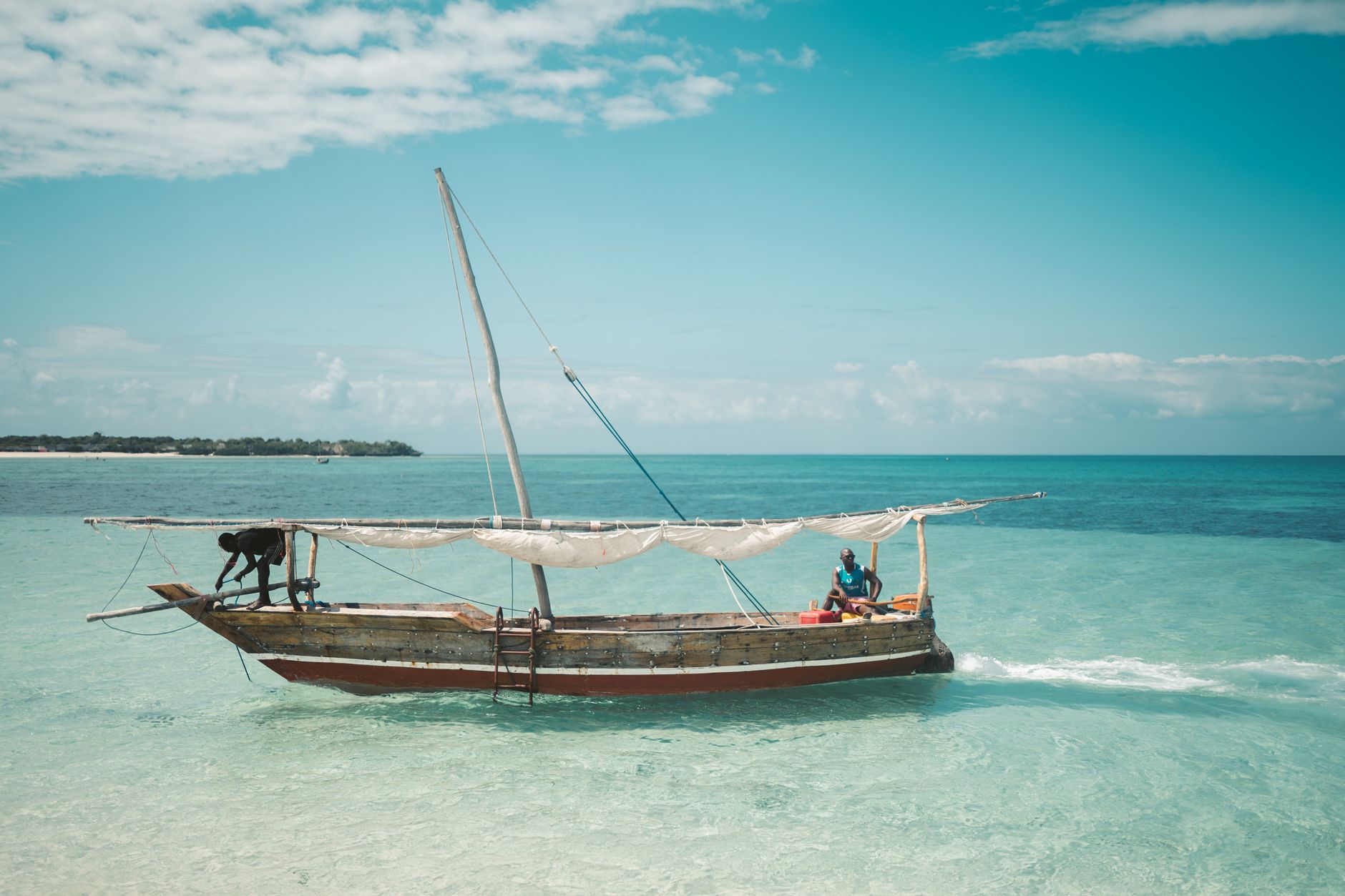


Nungwi sits at the northern tip of Unguja, ninety minutes by road from Stone Town and the airport. The village is known for its active dhow-building yards and deep coastal shelf, which permits all-day swimming regardless of the Indian Ocean tides. Nungwi is worth visiting if you want constant deep-water swimming and grilled kingfish straight off the afternoon wooden boats. Look elsewhere if you want quiet isolation, preserved historic architecture, or an uninterrupted stretch of empty sand.
Last updated 30 Oct 2026
Build a Nungwi itinerary.
Choose up to 4 threads that pull you in. Your plan arrives organised around them.
The Bed
Where to stay in Nungwi
Which part of town to book, and what each one costs you in walking, noise or quiet.
The Comparison
Nungwi, or somewhere near it
The places you are realistically choosing between, and the honest case for each.
The Local Record
Where to read more about Nungwi
The blogs, boards, guides and operators worth bookmarking.
What to do in Nungwi Zanzibar North Tanzania
Nungwi spreads around a sandy northern hook where working fishing boats share the shoreline with resort loungers. Daily life follows the water: dawn launches, midday swimming that requires no tide chart, and late-afternoon fish auctions right on the sand. It suits independent travellers who want reliable swimming and fresh seafood, provided they do not mind lively foot traffic and regular pitches from tour captains along the tide line.
24 hours in Nungwi Zanzibar North Tanzania
Spend the morning watching shipwrights work teak hulls by the lighthouse, then swim off the west beach before the midday heat peaks. Eat grilled octopus at a local banda, and finish the evening on a sunset dhow sail toward Kendwa, a fifteen-minute boat ride south. Select 1 Day above to see it.
2 days in Nungwi Zanzibar North Tanzania
A second day lets you time the low tide for the three-kilometre coastal walk to Kendwa, returning by water taxi. In the evening, skip the resort buffets and head into the village square for beef mishkaki and hot Zanzibar pizza fried fresh on iron griddles. Choose 2 Days to expand the plan.
3 days in Nungwi Zanzibar North Tanzania
Three days allows an early boat trip to the reefs of Mnemba Atoll before tourist catamarans arrive from Stone Town, followed by an afternoon exploring the fourteenth-century Portuguese and Shirazi ruins at nearby Fukuchani, just twenty minutes south by car.
Nungwi Zanzibar North Tanzania itineraries by interest
Craft Traditions in Nungwi Zanzibar North Tanzania
Watch shipwrights shape mahogany ribs and teak planks using hand adzes and bow drills along the sand near the northern lighthouse.
Local Seafood in Nungwi Zanzibar North Tanzania
Eat charcoal-grilled kingfish, octopus coconut curry, and changu at beachside bandas right after the local fishing fleet lands its afternoon catch.
Snorkelling & Diving in Nungwi Zanzibar North Tanzania
Take a morning boat out to Mnemba Atoll reef to drift over green sea turtles, moray eels, and blue-spotted rays in clear thirty-metre visibility.
Beaches in Nungwi Zanzibar North Tanzania
Swim off the western headland where the seabed drops sharply, sparing you the extreme tidal pull and exposed reef flats found on the east coast.
Wildlife in Nungwi Zanzibar North Tanzania
Visit Mnarani Marine Turtles Conservation Pond, a natural tidal pool in the coral rock where injured green and hawksbill turtles are rehabilitated.
Sunset Sailing in Nungwi Zanzibar North Tanzania
Board a late-afternoon wooden dhow powered by a lateen sail to ride the calm swell off Kendwa as the sun drops into the Mozambique Channel.
Village Life in Nungwi Zanzibar North Tanzania
Walk the dirt paths behind the beachfront strip where women dry small dagaa fish on mesh frames and tailors sew kanga cloth outside iron-roofed homes.
Coastal Walks in Nungwi Zanzibar North Tanzania
Wander south along the hard-packed low-tide sand past sea caves and red volcanic headlands on the three-kilometre beach route to neighbouring Kendwa.
Street Food in Nungwi Zanzibar North Tanzania
Order Zanzibar pizza, fried cassava chips with pili-pili sauce, and grilled beef mishkaki from roadside charcoal braziers after the sun goes down.
Deep-Sea Fishing in Nungwi Zanzibar North Tanzania
Charter a boat out into the deep Pemba Channel to troll for yellowfin tuna, wahoo, and dorado alongside experienced Zanzibari captains.
Live Music in Nungwi Zanzibar North Tanzania
Hear traditional Taarab strings and coastal polyrhythmic drumming at local open-air bandas on weekend nights while drinking cold Kilimanjaro lager.
Day Trips in Nungwi Zanzibar North Tanzania
Hire a driver for a morning drive down to Fukuchani ruins to see fourteenth-century Shirazi stone arches and swim inside a cool freshwater cave.