Painswick.


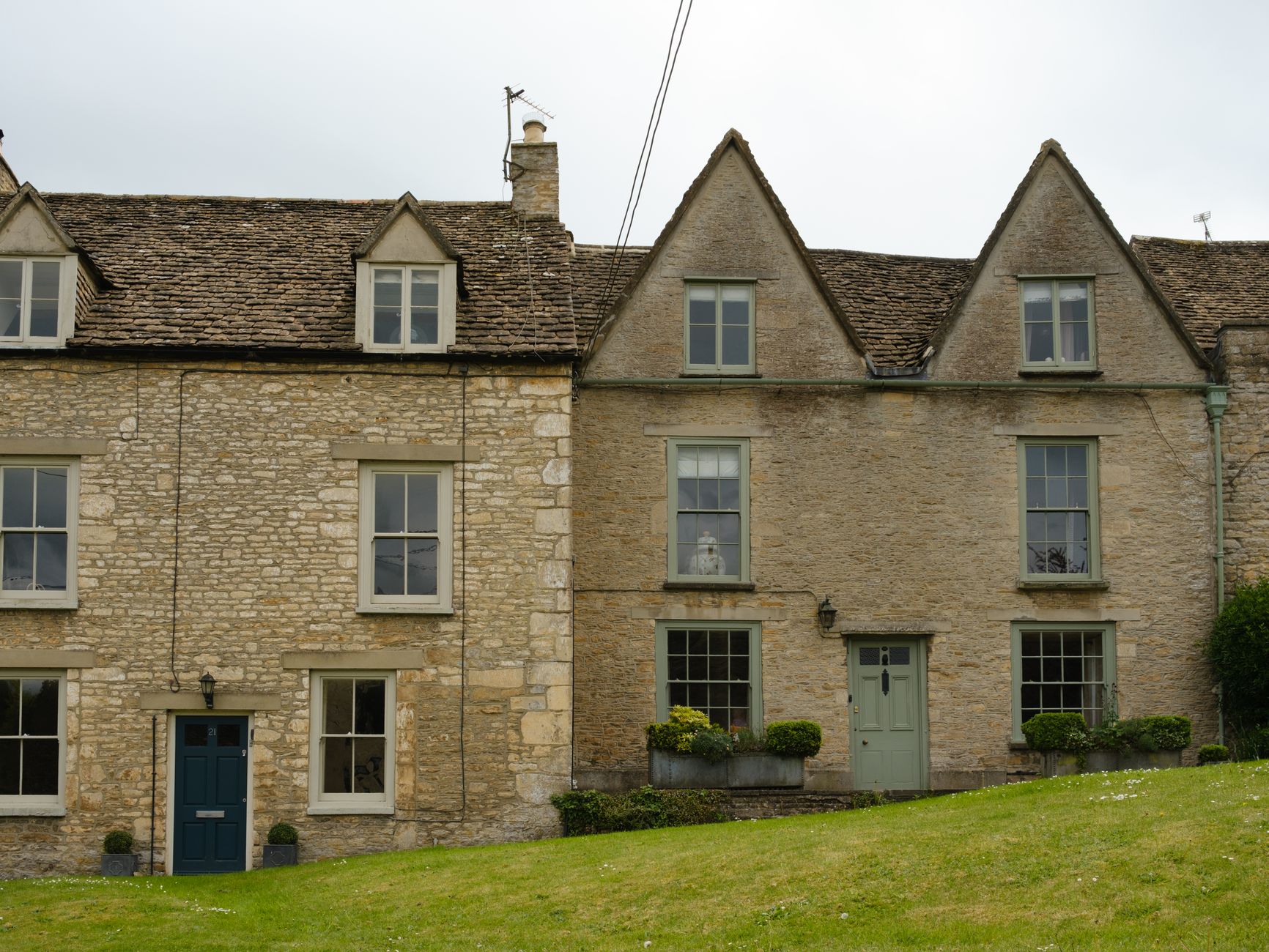

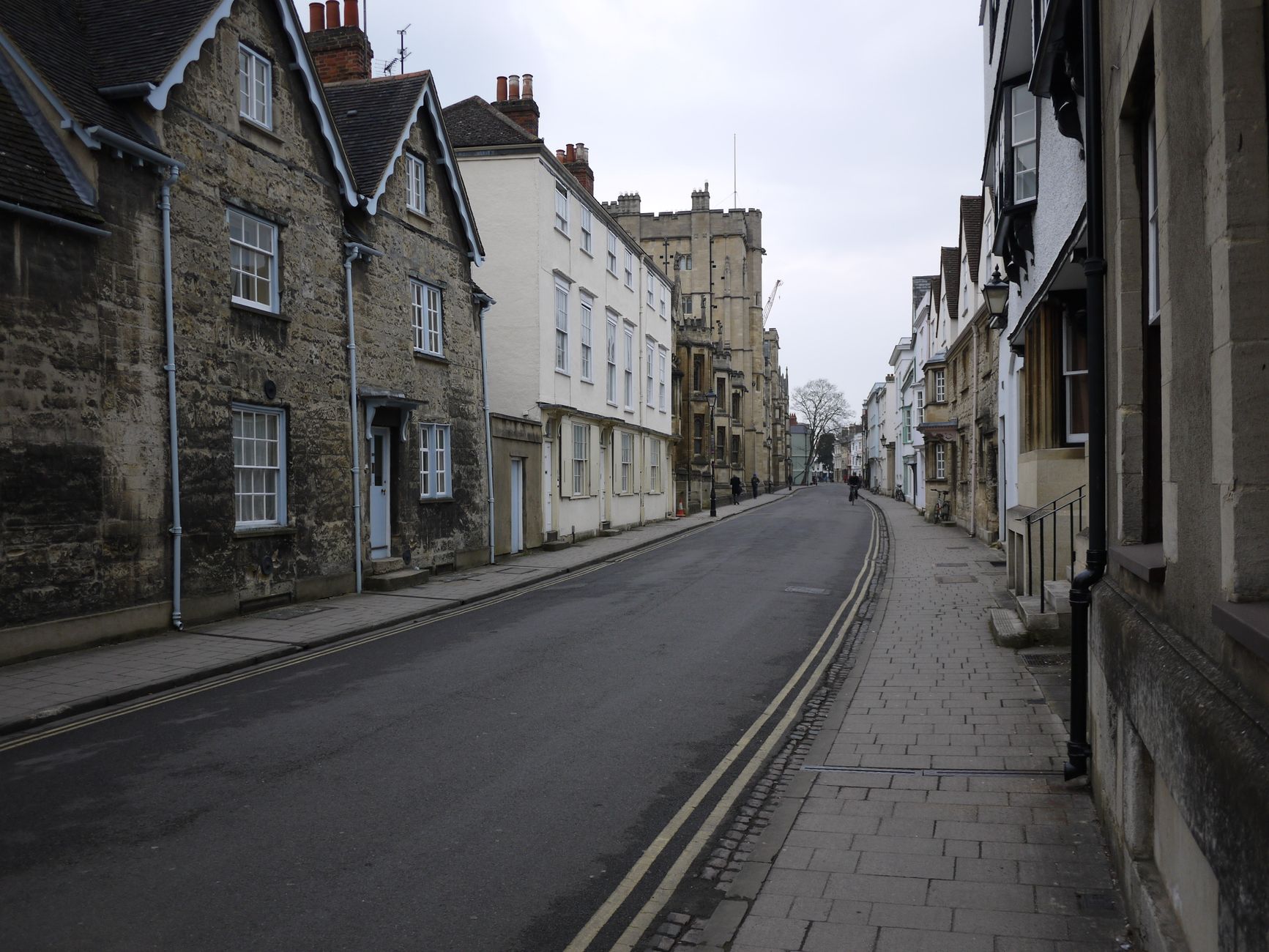
Painswick sits four miles north of Stroud railway station and fifty minutes by road from Bristol. Built from pale Jurassic limestone during the medieval wool trade, the village is best known for the ninety-nine clipped yew trees at St Mary's Church and the surviving mid-eighteenth-century Rococo Garden. The streets are steep, narrow, and largely pedestrian in feel. Painswick is worth visiting if you want to walk ancient ridgeway trails by day and eat well in quiet stone pubs by night. Look elsewhere if you want late-night entertainment, all-weather indoor attractions, or flat, easily accessible streets.
Last updated 12 Sept 2026
Build a Painswick itinerary.
Choose up to 4 threads that pull you in. Your plan arrives organised around them.
The Bed
Where to stay in Painswick
Which part of town to book, and what each one costs you in walking, noise or quiet.
The Comparison
Painswick, or somewhere near it
The places you are realistically choosing between, and the honest case for each.
The Local Record
Where to read more about Painswick
The blogs, boards, guides and operators worth bookmarking.
What to do in Painswick Gloucestershire United Kingdom
Painswick clings to a Cotswold limestone ridge above the Painswick Valley. Life here moves slowly along steep, lane-stitched terraces of 17th-century wool merchants' houses. The day revolves around walking ridgeway trails, lingering over tea and local cider, and touring the historic gardens. It suits walkers, architectural traditionalists, and anyone who prefers quiet stone alleys to tour-coach retail strips.
24 hours in Painswick Gloucestershire United Kingdom
Start before the crowds in St Mary's churchyard, weaving through the yew topiary. Walk twenty minutes up to the ramparts of Painswick Beacon for panoramic Severn views. Return through Friday Street for a pub lunch of Gloucestershire sausages and mash at The Falcon, then spend the afternoon wandering the Rococo Garden follies. Select 1 Day above to see it.
2 days in Painswick Gloucestershire United Kingdom
Day two sends you south along the Cotswold Way into the Slad Valley. Pay respects to author Laurie Lee with a pint of ale at The Woolpack Inn. Spend the afternoon tracing ancient cloth mills along the valley stream before returning to New Street for dinner featuring local salt-marsh lamb and English sparkling wine. Choose 2 Days to expand the plan.
3 days in Painswick Gloucestershire United Kingdom
With three days, make the ten-minute trip to Stroud on Saturday for its famed farmers' market, then explore the wild, cattle-grazed pastures of Minchinhampton Common. Finish the trip with an unhurried walk through the beech woods around Cranham, stopping for cider and handmade pork pies in a stone-built taproom.
Painswick Gloucestershire United Kingdom itineraries by interest
Sacred Architecture in Painswick Gloucestershire United Kingdom
Walk among the 99 sculptured yew trees and 17th-century tabletop tombs at St Mary's Church, then inspect the 14th-century stone tower.
Historic Gardens in Painswick Gloucestershire United Kingdom
Tour Painswick Rococo Garden, designed in the 1740s by Benjamin Hyett, featuring woodland follies, kitchen plots, and early snowdrop displays.
Hill Walking in Painswick Gloucestershire United Kingdom
Follow the Cotswold Way up to Painswick Beacon, an Iron Age hillfort with views stretching across the Severn Vale toward the Malvern Hills.
Pub Culture in Painswick Gloucestershire United Kingdom
Order local Gloucestershire real ale and hot suet puddings beside open hearths at the 15th-century Falcon Inn on New Street.
Textile Heritage in Painswick Gloucestershire United Kingdom
Trace the 17th-century clothiers' houses along Bisley Street and find medieval donkey doors built narrow to keep pack animals outside.
Regional Cheese in Painswick Gloucestershire United Kingdom
Sample crumbly Single Gloucester and unpasteurised Double Gloucester wheels produced on nearby farms in the Stroud and Severn valleys.
Local Markets in Painswick Gloucestershire United Kingdom
Take the ten-minute drive to the Saturday Stroud Farmers' Market for sourdough loaves, local venison pies, and perry cider.
Valley Walks in Painswick Gloucestershire United Kingdom
Descend past former woollen mills along the Washwell and Painswick Streams into the quiet beech woods of the Paradise Valley.
Fine Dining in Painswick Gloucestershire United Kingdom
Book dinner at The Painswick on Kemps Lane for seasonal West Country tasting menus highlighting dry-aged beef, game, and garden herbs.
Antiques & Craft in Painswick Gloucestershire United Kingdom
Browse reclaimed architectural stone, local wool blankets, and mid-century British pottery in small shops tucked along Friday Street.
Day Trips in Painswick Gloucestershire United Kingdom
Drive seven miles south into the Golden Valley to see the canal locks and hilltop commons around Minchinhampton and Nailsworth.
Village History in Painswick Gloucestershire United Kingdom
Inspect the 15th-century stocks on St Mary's Street and the stone-gabled houses built by wealthy wool merchants in the Tudor era.