Panajachel.


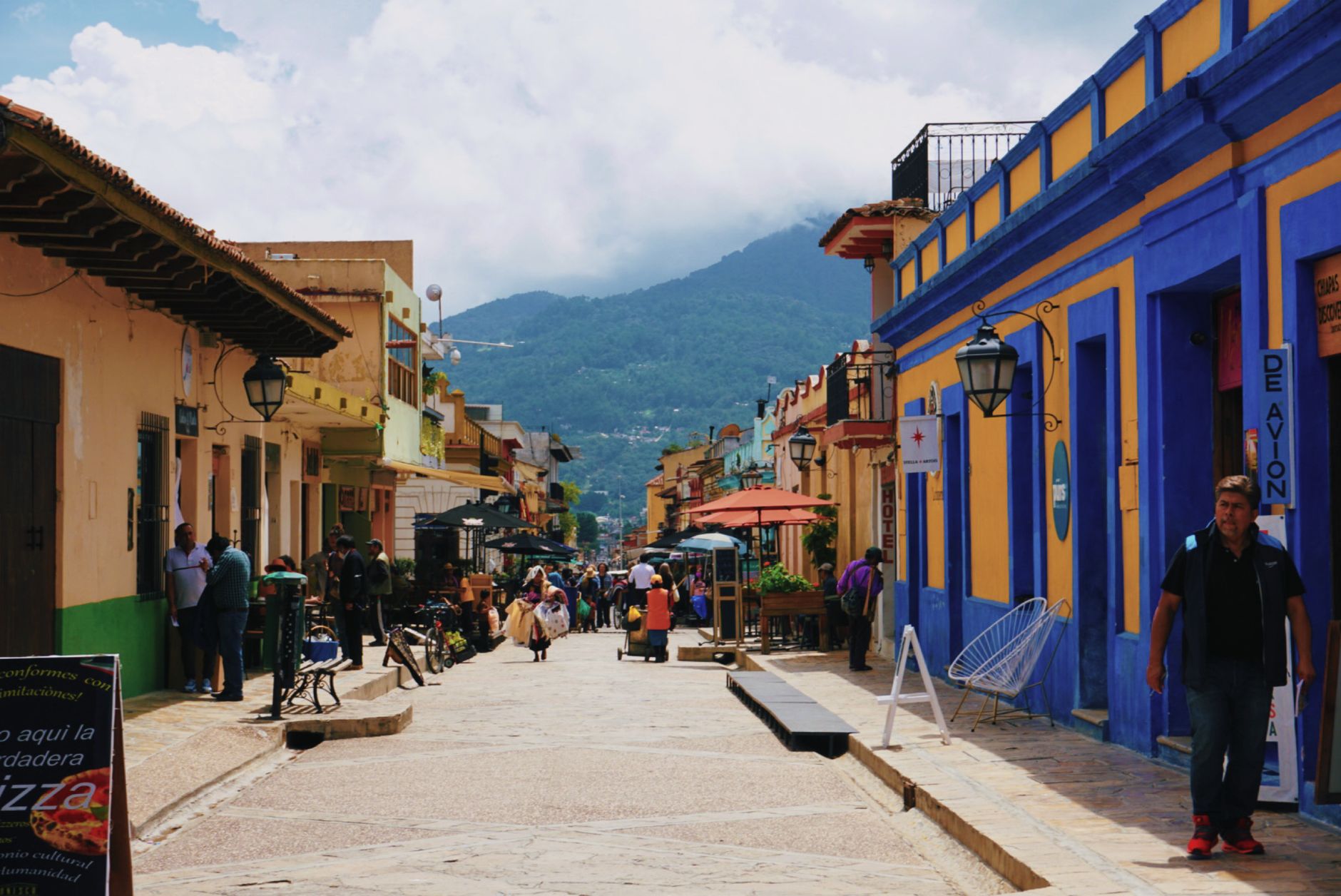
The diesel whine of a public lancha cuts out the moment you step onto the wooden docks of Lake Atitlán. Panajachel spreads uphill from the water, split between the textile stalls along Calle Santander and the quiet stone facade of the sixteenth-century Franciscan church. Volcán San Pedro looms across the water, indifferent to our schedules. You come for the easy boat connections, but you stay for the hot bowls of dark, pumpkin-seed pepián served at the corner comedores.
Last updated 28 Aug 2026
Build a Panajachel itinerary.
Choose up to 4 threads that pull you in. Your plan arrives organised around them.
We'll craft a 4-lens plan for Panajachel, one collapsible strand per lens.
Ceramics & Clay
Visit the artisanal terracotta and glazed pottery workshops along the shore in nearby San Antonio Palopó.
Ceramics & Clay
Visit the artisanal terracotta and glazed pottery workshops along the shore in nearby San Antonio Palopó.
Clay Pot Pepián
Restaurante El Patio
Grab a courtyard table and order the dark chicken pepián, served steaming in a heavy earthenware bowl alongside freshly pressed corn tortillas.
Editor TipPepián blends roasted pumpkin seeds, sesame and charred chiles in a Kaqchikel Maya technique that predates the Spanish arrival by centuries. Ask for the smoky chiltepe salsa on the side; it adds sharp heat without drowning out the toasted pumpkin seed broth.
Cobalt Wheel-Thrown Pottery
Cerámicas Palopó
Take a twenty-minute pickup truck ride from Panajachel. The workshop is open daily; ask for a wheel demonstration and browse the kilns.
Editor TipKaqchikel potters here blend local volcanic clay with vivid cobalt glazes, firing high-temperature stoneware in kilns overlooking the terraced onion fields. Walk up the stone steps behind the workshop for a clear view of the terraced shore without the boat dock commotion.
Markets & Produce
Navigate the morning municipal market for fresh rambutan, avocados, handmade corn tortillas, and sacks of locally grown Sololá beans.
Markets & Produce
Navigate the morning municipal market for fresh rambutan, avocados, handmade corn tortillas, and sacks of locally grown Sololá beans.
Market Tamales and Mountain Greens
Mercado Municipal de Panajachel
Wander the lower market for hot tamales de masa and sweet atol de elote. Carry small quetzal notes; vendors cannot break large bills.
Editor TipKaqchikel and Tz'utujil traders bring high-altitude greens and handwoven textiles down from highland villages, anchoring regional trade well off the souvenir strip. The corner stalls sell blue corn tortillas fresh from the comal. Eat them hot with a pinch of salt.
Nature Reserves
Walk the hanging bridges, butterfly house, and oak forest trails at the Reserva Natural Atitlán just north of town.
Nature Reserves
Walk the hanging bridges, butterfly house, and oak forest trails at the Reserva Natural Atitlán just north of town.
Hanging Bridges and Canopy Ravines
Reserva Natural Atitlán
Take a five-minute tuk-tuk north of town. Buy your day pass at the gatehouse and follow the oak trails past the waterfall and suspension bridges in two hours.
Editor TipThis former coffee finca was restored into native broadleaf forest, protecting spider monkey corridors along the volcanic rim above Lake Atitlán. Wear shoes with tread; spray from the falls makes the cedar bridge planks slippery.
Note from the Editor
“Pana moves early. Hit the municipal market before nine when the mountain air still bites and produce trucks unload, then cross to the reserve before the midday sun hits the suspension bridges.”
The Bed
Where to stay in Panajachel
Which part of town to book, and what each one costs you in walking, noise or quiet.
The Comparison
Panajachel, or somewhere near it
The places you are realistically choosing between, and the honest case for each.
The Local Record
Where to read more about Panajachel
The blogs, boards, guides and operators worth bookmarking.
What to do in Panajachel Lake Atitlán Guatemala
Panajachel functions as the practical anchor of Lake Atitlán, arranged along two primary spines: commercial Calle Santander and the older municipal core around Calle Principal. Days revolve around boat departures from the docks and evening strolls along the waterfront. It suits independent travellers who appreciate straightforward ferry access, dependable transit links, and casual comedores serving robust highland cooking without fuss.
24 hours in Panajachel Lake Atitlán Guatemala
Start with black coffee and eggs with refried beans at the municipal market. Walk Calle Principal to the sixteenth-century church, then browse Calle Santander down to the shore. By two in the afternoon, board a lancha for an hour on the water, returning for crispy fried mojarra at Playa Pública as the volcanic silhouette darkens. Select 1 Day above to see it.
2 days in Panajachel Lake Atitlán Guatemala
Spend your second morning crossing the suspension bridges of Reserva Natural Atitlán, five minutes north by tuk-tuk. In the afternoon, hire a boat or pickup southeast to San Antonio Palopó to see traditional pottery kilns. Return to Panajachel for a deep bowl of chicken pepián at an unpretentious family comedor. Choose 2 Days to expand the plan.
3 days in Panajachel Lake Atitlán Guatemala
A third day allows an unhurried morning trip uphill to the Sololá market, where villagers trade produce in traditional attire. Return for an afternoon lancha ride across to Santiago Atitlán to visit the shrine of Maximón, ending back in Panajachel with fresh tamales and cold beer by the water.
Panajachel Lake Atitlán Guatemala itineraries by interest
Street Food in Panajachel Lake Atitlán Guatemala
Pull up a plastic stool for chuchitos steamed in corn husks, toasted tostadas with guacamole, and sweet cups of hot atol de elote.
Local Stews in Panajachel Lake Atitlán Guatemala
Order traditional chicken pepián thickened with ground squash seeds, or turkey kak'ik spiced with coriander and dried chiles at local comedores.
Craft Traditions in Panajachel Lake Atitlán Guatemala
Inspect backstrap-loomed huipiles along Calle Santander and hand-dyed indigo textiles in neighboring Santa Catarina Palopó.
Lake Navigation in Panajachel Lake Atitlán Guatemala
Catch regular public lanchas from Embarcadero Tzanjuyú to traverse the volcanic caldera toward Santiago Atitlán and San Pedro.
Markets & Produce in Panajachel Lake Atitlán Guatemala
Navigate the morning municipal market for fresh rambutan, avocados, handmade corn tortillas, and sacks of locally grown Sololá beans.
Sacred Architecture in Panajachel Lake Atitlán Guatemala
Study the weathered stone facade and quiet courtyard of the 1567 Franciscan Church of Saint Francis on Calle Principal.
Coffee & Plantations in Panajachel Lake Atitlán Guatemala
Sample high-altitude Arabica washed beans roasted in town, grown on the mineral-rich slopes surrounding Lake Atitlán.
Nature Reserves in Panajachel Lake Atitlán Guatemala
Walk the hanging bridges, butterfly house, and oak forest trails at the Reserva Natural Atitlán just north of town.
Ceramics & Clay in Panajachel Lake Atitlán Guatemala
Visit the artisanal terracotta and glazed pottery workshops along the shore in nearby San Antonio Palopó.
Freshwater Fish in Panajachel Lake Atitlán Guatemala
Eat whole crispy mojarra fried with lime and garlic, served lakeside with black beans and fresh handmade corn tortillas.
Lakeside Walking in Panajachel Lake Atitlán Guatemala
Stroll the shoreline along Playa Pública at dusk when the Xocomil wind eases and the volcanoes turn deep purple.
Day Trips in Panajachel Lake Atitlán Guatemala
Ride a twenty-minute pickup truck up the ridge to the bustling Tuesday and Friday regional markets in Sololá.