
._Parque_nacional_Pan_de_Az%C3%BAcar._Regi%C3%B3n_de_Atacama._Chile.jpg)

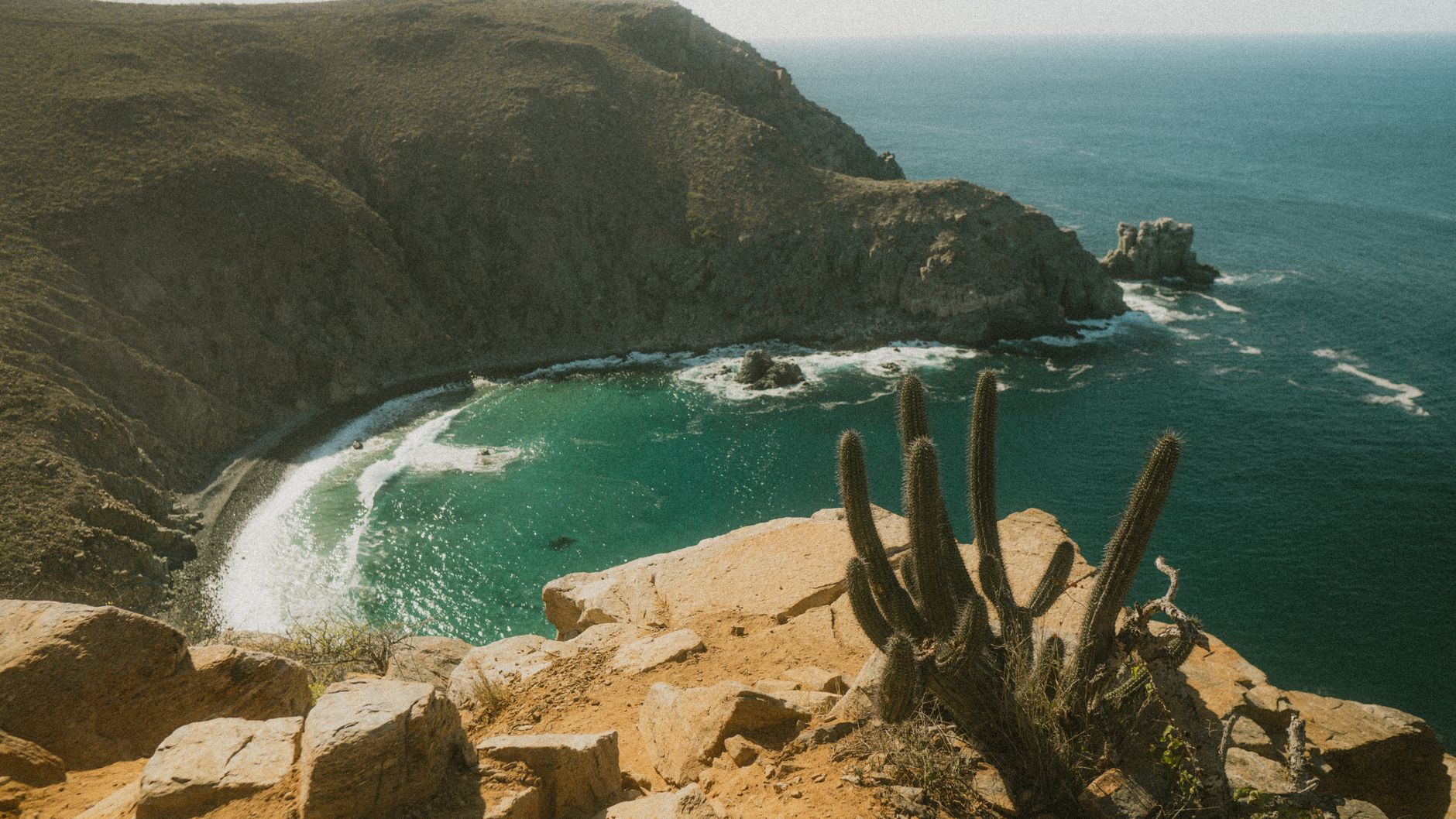
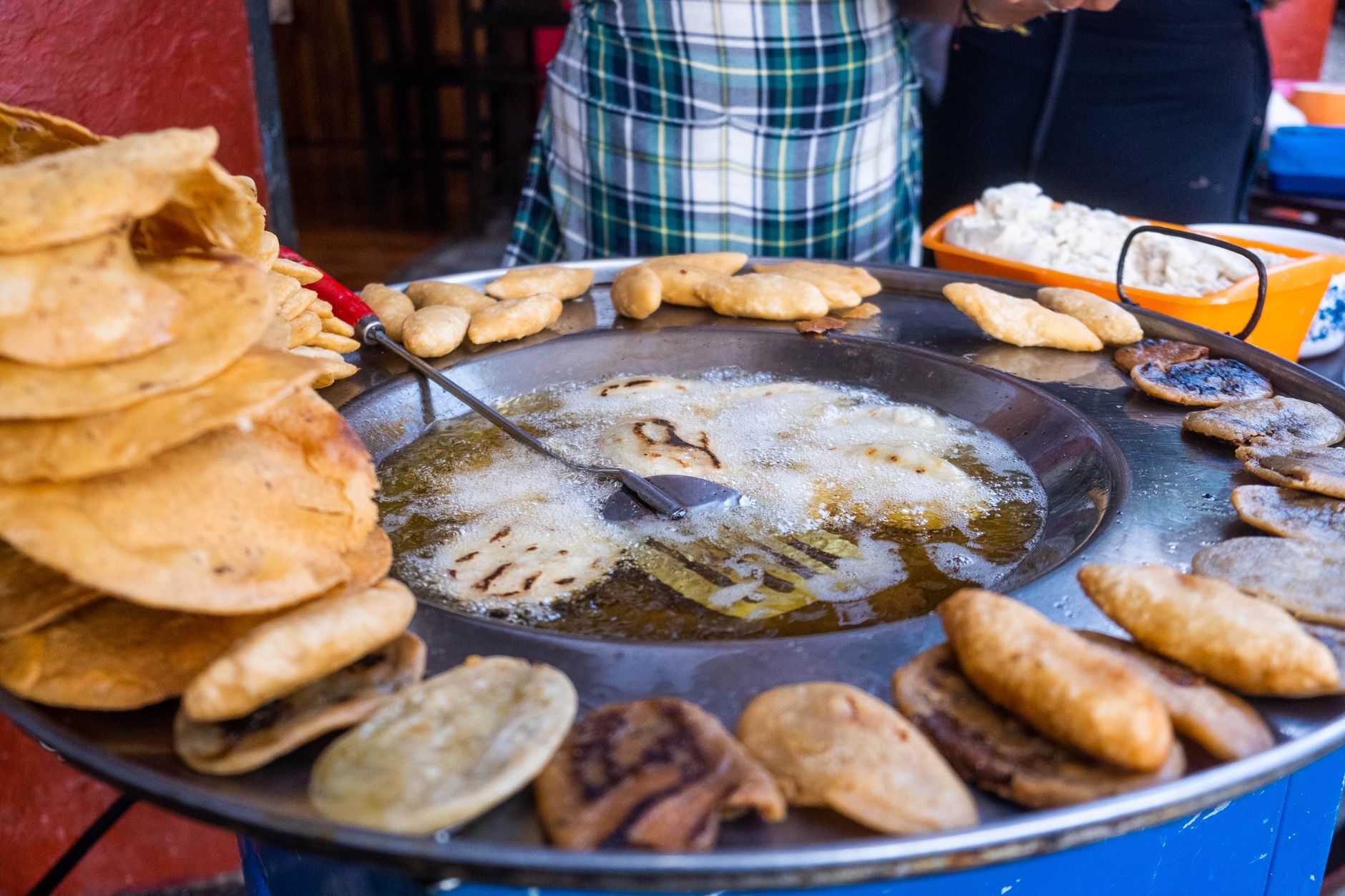
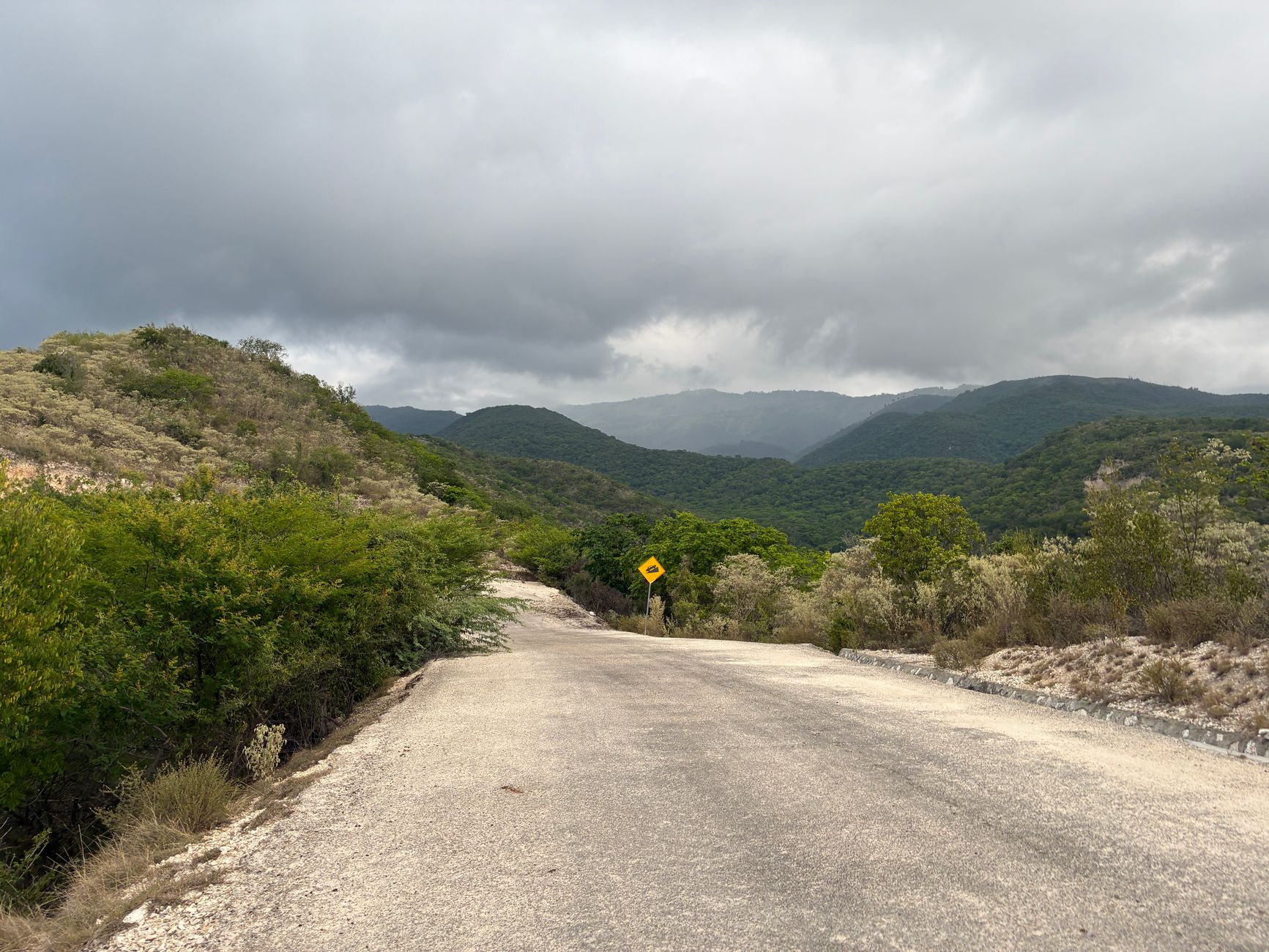
Sitting 30 kilometres north of Chañaral along Route C-120, Pan de Azúcar is a 30-minute drive from town or two hours from Copiapó airport. The park protects 43,000 hectares where hyper-arid desert meets Pacific fog, nurturing rare Copiapoa cacti and offshore Humboldt penguin colonies. Parque Nacional Pan de Azúcar is worth visiting if you want coastal desert ridge hikes, wild campsites, and fresh fried fish at the cove. Look elsewhere if you need resort comfort, nightlife, or warm swimming waters.
Last updated 17 Oct 2026
Build a Parque Nacional Pan de Azúcar itinerary.
Choose up to 4 threads that pull you in. Your plan arrives organised around them.
The Bed
Where to stay in Parque Nacional Pan de Azúcar
Which part of town to book, and what each one costs you in walking, noise or quiet.
The Comparison
Parque Nacional Pan de Azúcar, or somewhere near it
The places you are realistically choosing between, and the honest case for each.
The Local Record
Where to read more about Parque Nacional Pan de Azúcar
The blogs, boards, guides and operators worth bookmarking.
What to do in Parque Nacional Pan de Azúcar Atacama Chile
Days here follow the rhythm of the camanchaca fog, which blankets the coastal desert until midday before giving way to crisp sun. The park centres on Caleta Pan de Azúcar, a working fishing cove where small skiffs launch daily. You spend mornings hiking through cactus canyons or watching guanacos on coastal ridges, lunching on whatever the boats brought in, and spending afternoons along quiet gravel beaches. It suits independent travellers who love wild nature.
24 hours in Parque Nacional Pan de Azúcar Atacama Chile
Start early with the hike up to Mirador Pan de Azúcar before the fog clears. Head down to Caleta by noon to catch a fisherman's skiff toward the penguin island, followed by a plate of fried fish at the cove. Spend the late afternoon walking the shoreline at Playa Los Piqueros, just a short five-minute drive north. Select 1 Day above to see it.
2 days in Parque Nacional Pan de Azúcar Atacama Chile
A second day lets you explore Quebrada del Castillo, where endemic Copiapoa cacti survive on morning sea mists. Afterwards, drive south to Playa Blanca for solitude on pale sands, then grab empanadas de mariscos in Chañaral before returning to camp under completely unpolluted desert night skies. Choose 2 Days to expand the plan.
3 days in Parque Nacional Pan de Azúcar Atacama Chile
With three days, venture to the northern sector of the park along Quebrada Coquimbo, where ancient coastal terraces meet vast gravel plains. You can spend an unhurried morning cycling the coastal track, watching marine otters along the rocky points, and taking in the sheer silence of the Atacama coastline.
Parque Nacional Pan de Azúcar Atacama Chile itineraries by interest
Local Seafood in Parque Nacional Pan de Azúcar Atacama Chile
Order fried congrio, fresh piure, or locos pulled straight from the cove at Caleta Pan de Azúcar's wooden seaside shacks.
Wildlife Watching in Parque Nacional Pan de Azúcar Atacama Chile
Board a morning skiff to Isla Pan de Azúcar to view Humboldt penguins, marine otters, Peruvian boobies, and sea lion colonies.
Desert Botany in Parque Nacional Pan de Azúcar Atacama Chile
Hike Quebrada del Castillo to see endemic Copiapoa cacti and lomas vegetation thriving purely on coastal camanchaca fog.
Coastal Walks in Parque Nacional Pan de Azúcar Atacama Chile
Follow the cliff trail from Caleta to Playa Los Piqueros, skirting rocky headlands where guanacos graze by the surf.
Hiking in Parque Nacional Pan de Azúcar Atacama Chile
Climb the 8-kilometre Mirador trail for sweeping panoramas across the white island and sheer cliffs plunging into the Pacific.
Camping & Stargazing in Parque Nacional Pan de Azúcar Atacama Chile
Pitch a tent at Playa Soldado under dark southern skies completely free of light pollution, accompanied by crashing surf.
Geology in Parque Nacional Pan de Azúcar Atacama Chile
Examine white quartz veins and stark coastal terraces formed by ancient sea levels along the Quebrada Coquimbo route.
Bouldering & Scrambling in Parque Nacional Pan de Azúcar Atacama Chile
Scramble the wind-carved granite bluffs and rocky points around Playa Blanca where desert dunes meet the ocean.
Birdwatching in Parque Nacional Pan de Azúcar Atacama Chile
Spot band-tailed earthcreepers on desert slopes and flocks of Guanay cormorants roosting across the wave-cut sea stacks.
Photography in Parque Nacional Pan de Azúcar Atacama Chile
Capture morning camanchaca fog rolling over rugged cactus fields and the golden late-afternoon light on Isla Pan de Azúcar.
Biking in Parque Nacional Pan de Azúcar Atacama Chile
Ride the gravel track connecting Caleta Pan de Azúcar to Playa Las Machas against steady coastal headwinds and ocean scenery.
Day Trips in Parque Nacional Pan de Azúcar Atacama Chile
Drive south to Chañaral's historic wooden church and port, or head inland toward the Salar de Pedernales high-altitude desert.