


Passau sits two hours east of Munich by direct regional train, right where the Danube, Inn, and Ilz rivers collide. It is known for its Italian baroque old town rebuilt after seventeenth-century fires and the 17,974-pipe cathedral organ. Passau is worth visiting if you want to explore compact riverfront lanes, listen to massive cathedral acoustics, and drink dark lager in ancient cellars. Look elsewhere if you want late-night clubbing, sprawling modern museums, or flat terrain for effortless walking.
Last updated 28 Sept 2026
Build a Passau itinerary.
Choose up to 4 threads that pull you in. Your plan arrives organised around them.
We'll craft a 4-lens plan for Passau, one collapsible strand per lens.
Regional Cooking
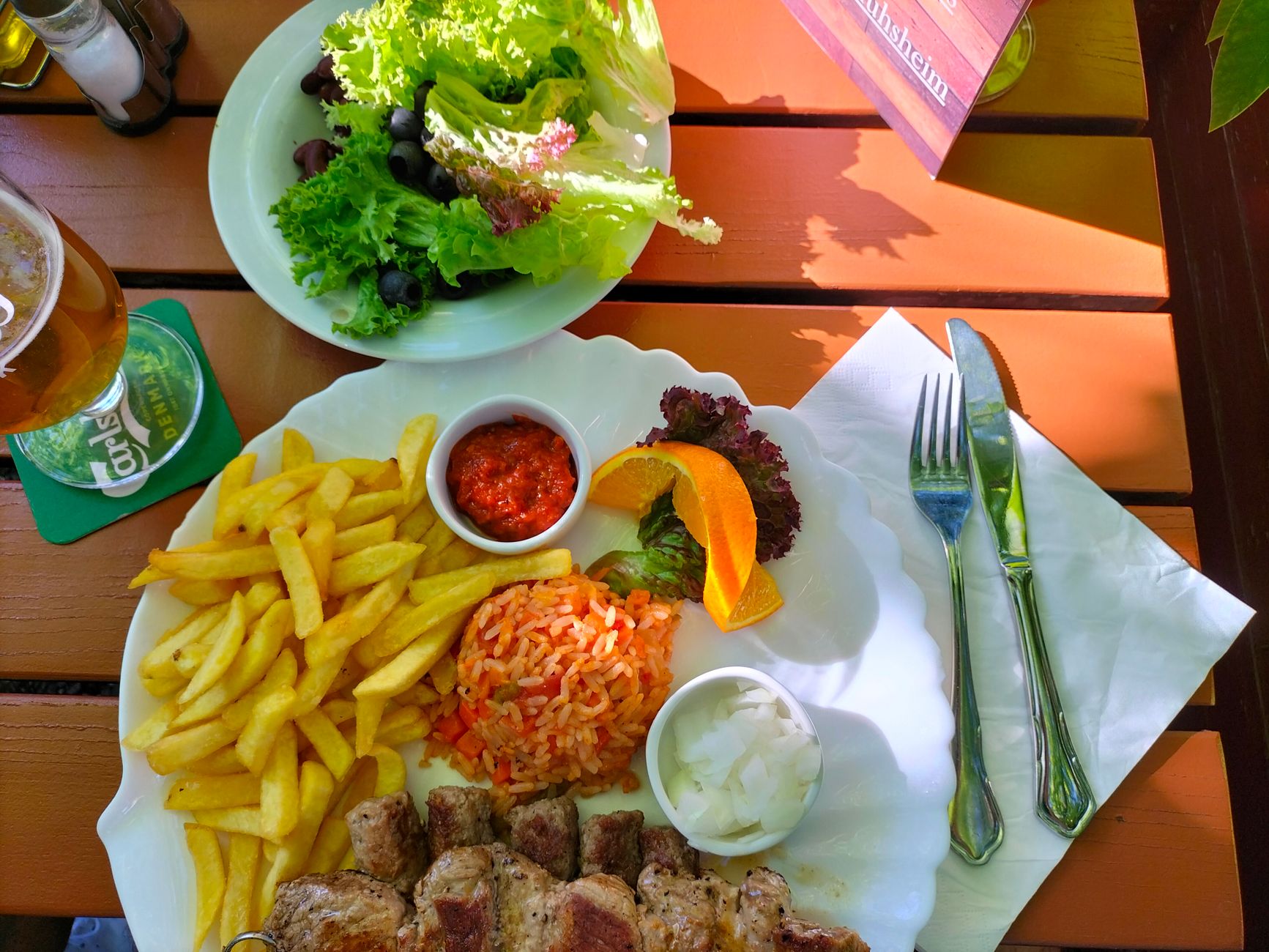
Order roast pork with knödel, freshwater Danube zander, and dampfnudeln with vanilla sauce at historic Wirtshaus cellars.
Regional Cooking
Order roast pork with knödel, freshwater Danube zander, and dampfnudeln with vanilla sauce at historic Wirtshaus cellars.
Bavarian Tavern Supper
Heilig-Geist-Stiftschenke
Book a table under the stone vaults. Order the Krustenschweinebraten with potato dumpling and a carafe of dry Grüner Veltliner for roughly twenty-five euros.
Editor TipEstablished in 1358 to fund an adjacent hospital, the tavern mirrors Passau's geography: Bavarian pork roast served alongside Austrian wine shipped straight up the Danube. Ask for a bench away from the doorway draught; the timber rooms reward lingering over a second carafe.
Steam Beer and Bread Dumplings
Dampfbierbrauerei Zwiesel
Order the house-brewed Dampfbier alongside crusty roast pork and bread dumplings. Walk-ins are fine before midday; budget twenty euros.
Editor TipInvented here in 1889 by common brewers lacking cool cellars, this deep-amber ale uses top-fermenting yeast that bubbles like a steam engine. Sit in the historic tavern room near the copper taps rather than the modern side annex.
Lower Bavarian Braised Pork
Klosterstüberl Aldersbach
Reserve a wood-panelled table online. Order the roast pork neck with caraway gravy, bread dumplings, and the monastery dark lager for twenty-four euros.
Editor TipCistercian monks founded the brewery in 1268, pairing unpasteurized malty beers with sturdy farm staples meant to sustain outdoor workers through brutal winters. Ask for extra crackling with your dumpling. The kitchen crisps it fresh each evening.
Glass Craft
Explore the Passauer Glasmuseum at the Wilder Mann hotel, housing over thirty thousand pieces of Bohemian crystal.
Glass Craft
Explore the Passauer Glasmuseum at the Wilder Mann hotel, housing over thirty thousand pieces of Bohemian crystal.
Reading Bohemian Glass
Passauer Glasmuseum
Buy your ticket at the Hotel Wilder Mann reception for seven euros. Give the upper floors ninety minutes, beginning with nineteenth-century Biedermeier.
Editor TipPassau sits at the trade nexus of Bohemia and the Bavarian Forest, where wood-fired kilns produced Europe's most intricate cut crystal from local quartz and potash. The sheer volume is dizzying. Pick one cabinet per gallery to inspect closely and let the rest blur past.
Day Trips
Take the forty-minute local train to Schärding across the Austrian border to see the colourful Baroque Markt street.
Day Trips
Take the forty-minute local train to Schärding across the Austrian border to see the colourful Baroque Markt street.
Traditional Morning Weißwurst Breakfast
Café Simon
Walk in for a steaming pair of poached veal sausages, sweet mustard, and a warm pretzel. Service is brisk, seating is casual, and forty-five minutes gives you plenty of time.
Editor TipBavarians eat Weißwurst strictly before midday church bells toll, a custom dating to the nineteenth century before modern refrigeration kept delicate morning mince safe. Peel the casing with your knife; chewing the skin marks you instantly as someone who just got off a tour bus.
Midday Pipe Organ Recital
Dom St. Stephan
Purchase your five-euro ticket at the cathedral entrance by 11:15 AM to claim a central nave seat before the thirty-minute concert begins promptly at noon.
Editor TipRebuilt after the 1662 city fire by Italian master Carlo Lurago, this baroque cathedral holds the largest cathedral organ in the world, boasting 17,974 pipes and four carillons. Take a seat halfway down the central aisle; sitting directly beneath the choir gallery blunts the acoustic bloom.
Hand-Blown Forest Glassmaking
Freiherr von Poschinger Glasmanufaktur
Watch furnace masters shape hot silica by hand. Thirty-minute workshop tours run on weekday mornings for twelve euros, payable at the door.
Editor TipBavarian Forest glassmakers have melted local quartz and beechwood ash here since 1568, supplying noble courts across central Europe. Stand several paces back from the glory hole; the radiated heat will warm your coat instantly.
Note from the Editor
“River cruise groups descend on the cathedral square by eleven. Beat them by claiming a quiet cafe table early, and pick up your organ concert ticket the moment the kiosk opens at ten.”
The Bed
Where to stay in Passau
Which part of town to book, and what each one costs you in walking, noise or quiet.
Places to stay
Central, well-rated and easy to find again. Distances are from the middle of town.
These links go to Booking.com and earn us a commission. They cost you nothing extra.
The Comparison
Passau, or somewhere near it
The places you are realistically choosing between, and the honest case for each.
The Local Record
Where to read more about Passau
The blogs, boards, guides and operators worth bookmarking.
What to do in Passau Bavaria Germany
Passau clusters tightly on a narrow spit of land between the Danube and the green waters of the Inn. Daily life follows the riverbanks and the midday chiming of cathedral bells. It suits curious walkers, architecture buffs, and cyclists tackling the Danube paths who appreciate well-poured beer, baroque facades, and steep cobbled alleys over frantic sightseeing.
24 hours in Passau Bavaria Germany
Start at Dom St. Stephan for the noon organ recital, then wander the pastel alleys of Höllgasse down to the Dreiflüsseeck point. Cross the bridge to hike up to Veste Oberhaus for late afternoon light over the three rivers, finishing with roast pork and Hacklberg beer in the old town. Select 1 Day above to see it.
2 days in Passau Bavaria Germany
Climb the 321 wooden steps of the Mariahilf pilgrimage stairs in the morning, looking across the Inn. Spend the afternoon browsing the Bohemian crystal at the Glasmuseum Passau before settling into a riverside tavern in the Ilzstadt quarter for freshly pan-fried zander. Choose 2 Days to expand the plan.
3 days in Passau Bavaria Germany
Rent a touring bike for a flat ride downstream along the Danube to the Trappist monastery at Engelhartszell, or hop a quick train across the border to Schärding to admire the pastel gables on the Silberzeile square over Austrian coffee and linzer torte.
Passau Bavaria Germany itineraries by interest
Sacred Architecture in Passau Bavaria Germany
Hear noon organ concerts at Dom St. Stephan, rebuilt in 1668 by Carlo Lurago with immense stucco and 17,974 pipes.
Fortresses & Views in Passau Bavaria Germany
Climb the covered Ludwigssteig stairs up to Veste Oberhaus for the panorama where the blue, green, and black rivers meet.
River Navigation in Passau Bavaria Germany
Board a local hydrofoil or ferry along the Danube bend toward the Schlögener Schlinge, watching cargo barges pass.
Traditional Brewing in Passau Bavaria Germany
Drink unfiltered zwickelbier and dunkles at Löwenbrauerei Passau or Hacklberg, paired with Obatzda and warm pretzels.
Regional Cooking in Passau Bavaria Germany
Order roast pork with knödel, freshwater Danube zander, and dampfnudeln with vanilla sauce at historic Wirtshaus cellars.
Glass Craft in Passau Bavaria Germany
Explore the Passauer Glasmuseum at the Wilder Mann hotel, housing over thirty thousand pieces of Bohemian crystal.
Riverside Walks in Passau Bavaria Germany
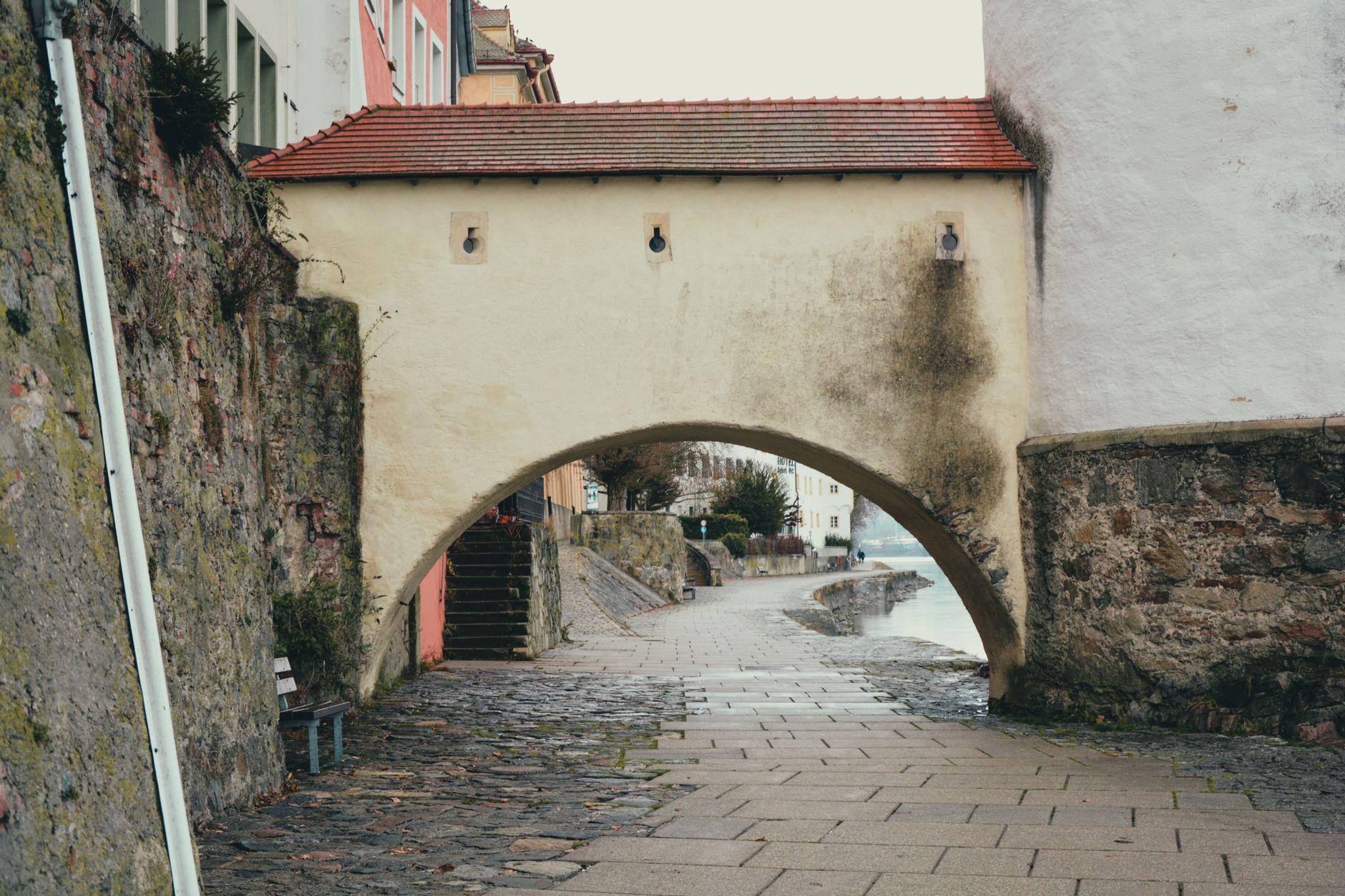
Follow the cobblestones around the Dreiflüsseeck point where the Inn and Ilz join the Danube under weeping willows.
Old Town Streets in Passau Bavaria Germany
Wander the cobblestones of Höllgasse, known for artisan galleries and brightly painted facades below the cathedral hill.
Pilgrimage Trails in Passau Bavaria Germany
Walk the 321 covered steps of the Wallfahrtsstiege up to Mariahilf monastery, counting prayers along the hillside.
Castle Dining in Passau Bavaria Germany
Eat Bavarian venison or trout on the terrace of Das Oberhaus, looking straight down across the peninsula.
Cycling Routes in Passau Bavaria Germany
Pedal the flat Donauradweg path heading downstream toward Engelhartszell Abbey and the Austrian border.
Day Trips in Passau Bavaria Germany
Take the forty-minute local train to Schärding across the Austrian border to see the colourful Baroque Markt street.