Portsmouth.



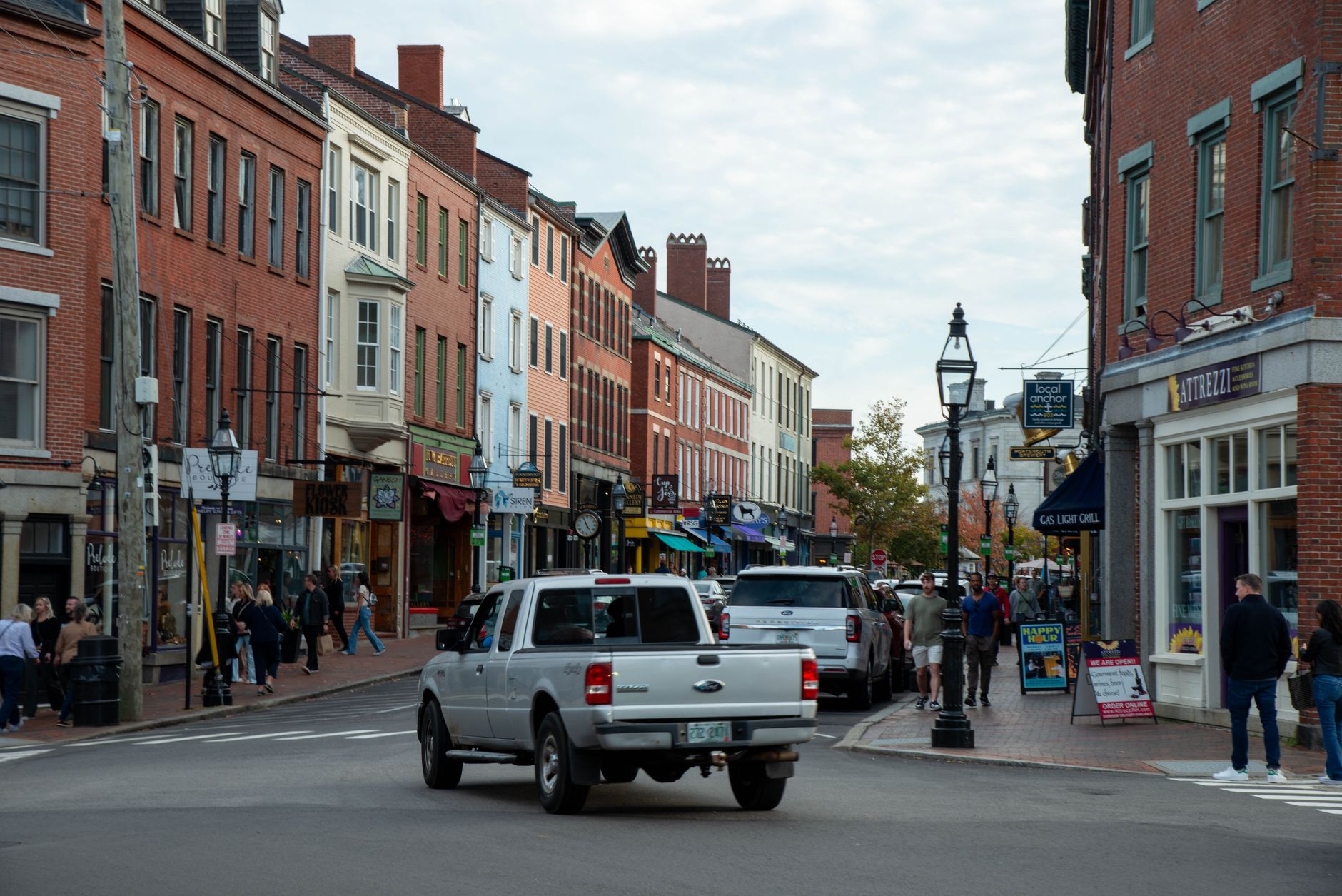
Portsmouth sits fifty-five miles north of Boston, about an hour by car or direct bus along Interstate 95. The working port on the Piscataqua River is known for its compact eighteenth-century core, deep naval history, and exceptional cold-water seafood. Everything centres on a walkable grid of brick lanes around Market Square, where tugboats still work the tidal current. Portsmouth is worth visiting if you want historic timber architecture paired with fresh cold-water lobster and distinct regional brewing within easy walking distance. Look elsewhere if you want sandy ocean beaches right in town, late-night club scenes, or budget-friendly coastal lodging.
Last updated 14 Sept 2026
Build a Portsmouth itinerary.
Choose up to 4 threads that pull you in. Your plan arrives organised around them.
We'll craft a 1-lens plan for Portsmouth, one collapsible strand per lens.
Antiques & Salvage
Period maritime charts, colonial hardware, and vintage New England furniture tucked into shops across State Street and Islington Street.
Antiques & Salvage
Period maritime charts, colonial hardware, and vintage New England furniture tucked into shops across State Street and Islington Street.
Bakery Loaves and Strong Coffee
Ceres Bakery
Order coffee and sourdough toast at the counter on Penhallow Street. Cash is easiest, and forty minutes gives you ample time before the shops open.
Editor TipOpen since 1980, this small corner shop fuels the carpenters and dealers who restore the Seacoast region's 18th-century timber architecture. Sit by the front window to watch delivery vans navigate streets laid out well before modern vehicles.
Examining Colonial Joinery and Hardware
Strawbery Banke Museum
Purchase tickets at the Marcy Street visitor center. Spend two hours exploring the preserved houses to see untouched New England woodwork and salvage.
Editor TipRescued from demolition in 1958, this ten-acre site preserves genuine maritime timber framing and architectural hardware right where builders placed them. Seek out the Wheelwright House first for quiet rooms and intact 18th-century joinery details.
Sifting Maritime Salvage
Olde Port Antiques
Browse the dense floor of salvaged brass fittings, nautical charts, and early pine. No tickets needed; budget an unhurried hour before late afternoon closing.
Editor TipPortsmouth was once one of the eastern seaboard's primary shipbuilding capitals, leaving behind two centuries of salvaged navigational tools and ship joinery. Check the hardware trays near the counter for 19th-century forged iron latches at fair prices.
Digging Colonial Brass and Salvage
Antiques on Fleet
Rummage through multi-dealer cases of maritime compasses, estate ironwork, and hand-cut crystal. Budget forty-five minutes to browse without rushing the staff.
Editor TipGenerations of Seacoast shipbuilders and merchant families stocked local attics with forged door latches, trade signs, and salvage pine that surface here weekly. Check the bottom drawers in the rear alcoves for uncatalogued iron hinges and 18th-century nautical rigging.
Hunting Maritime Relics
Old as Adam
Browse 33 Ceres Street for 19th-century maritime tools, daguerreotypes, and trade signs. Adam opens Thursday through Sunday from noon; budget 45 minutes.
Editor TipPortsmouth's 19th-century shipbuilding boom left behind a deep reserve of brass navigational hardware, maritime folk art, and merchant records. Ask about the provenance cards tucked inside toolboxes; Adam knows the shipwright who owned each piece.
Tavern Oysters and Cider
The Press Room
Grab a high-top downstairs at 77 Daniel Street for Great Bay oysters and New England hard cider. Dinner runs from 5:00 PM; no reservations needed for the front bar.
Editor TipHoused in a 19th-century brick print shop, this institution has hosted trade workers, writers, and shipwrights over cider and local draft ale since 1976. Arrive before seven if you want an unhurried pint and a corner booth before the folk session starts.
Architectural Salvage Sifting
The Old House Parts Company
Walk the three-story 1872 freight depot for hand-hewn mantels and vintage leaded glass. Allow ninety minutes and wear closed-toe shoes.
Editor TipSouthern Maine holds one of the country's richest concentrations of 18th-century timber framing, rescued and catalogued here from regional demolitions. Inspect the bins near the rear loading dock for salvaged hand-cut iron nails and porcelain doorknobs sold by weight.
Colonial Furniture Scouring
York Antiques Gallery
Browse four floors of early American pine chests, hooked rugs, and trade signs. Free on-site parking is available behind the building.
Editor TipSeacoast Maine estate dispersals keep this cooperative stocked with authentic Federal-era joinery and maritime tools tied to Portsmouth's historic shipwright trade. Head straight to the cellar level for untamed crates of estate hardware and maritime brass priced well below retail.
Poutine and Small-Batch Cider
The Black Birch
Snag a stool at the zinc bar for short rib poutine and local cider. No reservations; arrive before six or put your name down and stroll Government Street for thirty minutes.
Editor TipKittery Foreside reinvented itself from a quiet naval shipyard crossing into a pocket of craft cookery, repurposing utilitarian village storefronts into lively neighborhood dining rooms. Order the deviled eggs immediately while you study the chalkboard draft list.
Wildcards
Worth your time whatever brought you here.
Wildcards
Worth your time whatever brought you here.
Wood-Fired Hearth Supper
Portsmouth Gas Light Co.
Reserve a ground-floor table online. Order the wood-fired local haddock beside the exposed 1837 brickwork and salvaged structural timbers, allowing two hours.
Editor TipBuilt as the city gas works before the Civil War, this salvaged brick redoubt survived the downtown fires and remains an anchor of the waterfront quarter. Request a table near the open hearth where the original granite foundation and brick arches stay visible.
Note from the Editor
“Portsmouth wakes up late on the water, but the salvage dealers and antique shops get moving by nine. Walk Penhallow and Marcy streets early before the Boston day-trippers arrive.”
The Bed
Where to stay in Portsmouth
Which part of town to book, and what each one costs you in walking, noise or quiet.
The Comparison
Portsmouth, or somewhere near it
The places you are realistically choosing between, and the honest case for each.
The Local Record
Where to read more about Portsmouth
The blogs, boards, guides and operators worth bookmarking.
What to do in Portsmouth New Hampshire United States
Portsmouth is organised around the fast water of the Piscataqua River and the red-brick crossroads of Market Square. You spend the day on foot, moving between riverside gardens, preserved colonial timber homes, and taverns pulling fresh draughts. It suits curious walkers, maritime history readers, and travellers who appreciate good regional cooking without metropolitan friction or long transfers between stops.
24 hours in Portsmouth New Hampshire United States
Start with coffee and a cardamom bun near Market Square, walk the outdoor grounds at Strawbery Banke by mid-morning, and eat haddock chowder on Ceres Street. Spend late afternoon around Prescott Park and finish with fresh oysters and a local ale in the South End. Everything connects within a fifteen-minute stroll. Select 1 Day above to see it.
2 days in Portsmouth New Hampshire United States
Cross the bridge into Kittery Foreside on foot for wood-fired bakeries and casual lunch counters. Spend the afternoon exploring the submarine decks at Albacore Park before an unhurried dinner of seared local scallops and natural wine along Congress Street. Choose 2 Days to expand the plan.
3 days in Portsmouth New Hampshire United States
Take the morning ferry nine miles offshore to the granite ledges of Star Island for a breezy coastal walk. Return for an afternoon exploring the salvage and antique barns along Islington Street, followed by an evening show at the historic 1878 Music Hall.
Portsmouth New Hampshire United States itineraries by interest
Local Seafood in Portsmouth New Hampshire United States
Shucked Damariscotta oysters, whole steamed Maine lobster, and haddock chowder served at casual harbour shacks and long-standing riverside taverns.
Historic Architecture in Portsmouth New Hampshire United States
Intact Georgian, federal, and timber-frame houses at Strawbery Banke Museum and along the brick lanes of the South End dating back to the late 1600s.
Craft Brewing in Portsmouth New Hampshire United States
Crisp lagers, hoppy New England IPAs, and dry ciders poured in restored warehouses at Earth Eagle Brewings, Liars Bench, and Smuttynose outlets.
Maritime Heritage in Portsmouth New Hampshire United States
Tour the Cold War submarine USS Albacore and watch working tugboats navigate the fast-flowing Piscataqua River currents from Ceres Street.
Harbour Cruises in Portsmouth New Hampshire United States
Traditional wooden boats and ferries heading out from the waterfront to the remote, rocky Isles of Shoals nine miles off the coast.
Coastal Walks in Portsmouth New Hampshire United States
Flat footpaths through Prescott Park waterfront gardens, Peirce Island tidal loops, and the quiet clapboard lanes flanking South Mill Pond.
Independent Bookshops in Portsmouth New Hampshire United States
Floor-to-ceiling volumes, maritime histories, and coffee counter chats at Sheafe Street Books and independent downtown mainstays around Market Square.
Island Excursions in Portsmouth New Hampshire United States
Ferry rides to Star Island to walk windswept granite ledges, stone chapels, and wide rocking-chair porches overlooking the open Atlantic.
Modern Theatre in Portsmouth New Hampshire United States
Live drama, touring folk acts, and indie film screenings inside the restored 1878 Music Hall and its companion loft space on Chestnut Street.
Garden Design in Portsmouth New Hampshire United States
Formal rose collections, seasonal perennials, and open grass lawns sloping to the tidal riverbanks inside historic Prescott Park.
Antiques & Salvage in Portsmouth New Hampshire United States
Period maritime charts, colonial hardware, and vintage New England furniture tucked into shops across State Street and Islington Street.
Day Trips in Portsmouth New Hampshire United States
Short drives north to Kittery Foreside for fried clams, or south down Route 1A along the rocky surf breaks and mansions of Rye and New Castle.