Providence.


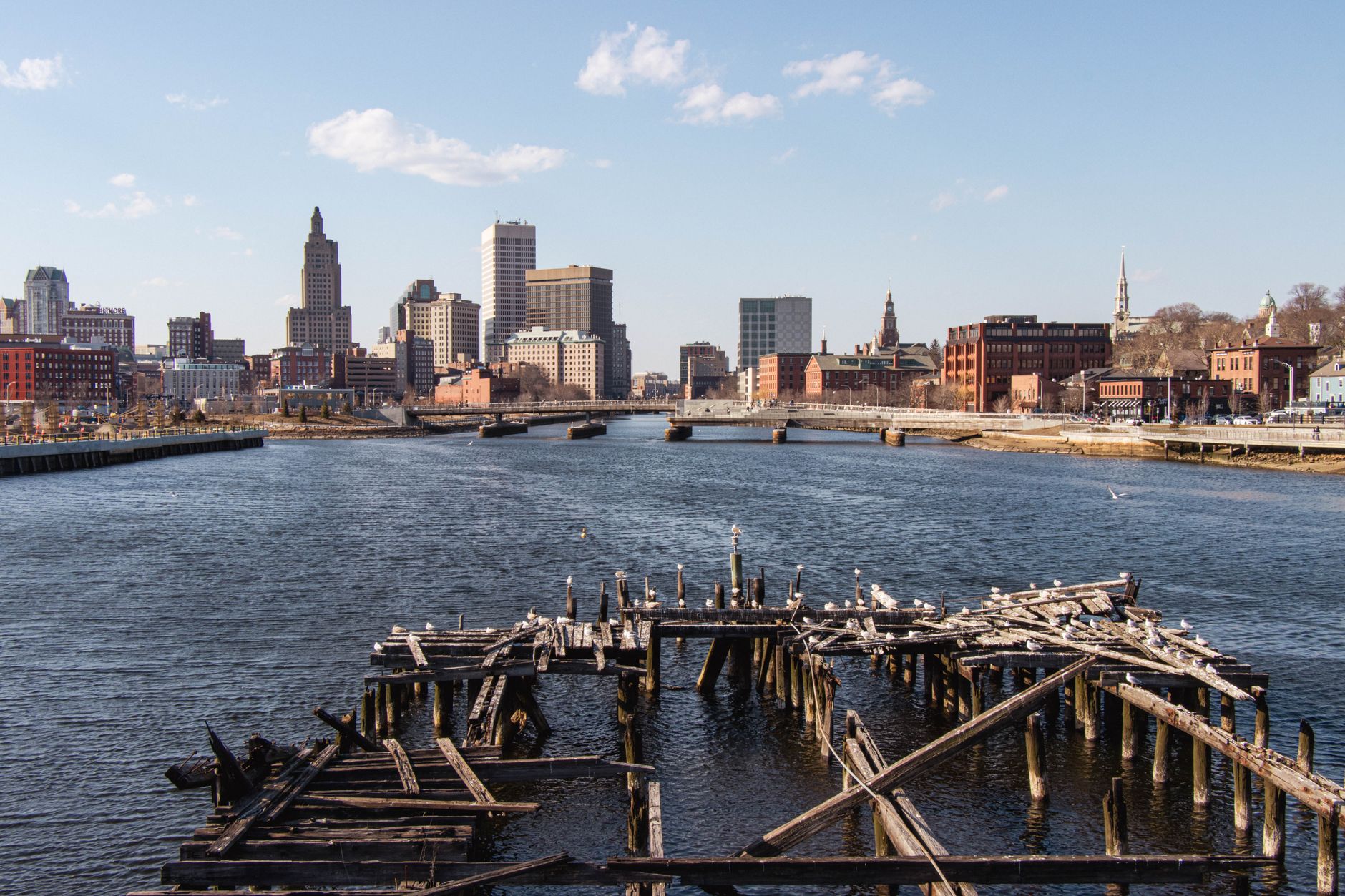


Providence sits fifty minutes south of Boston by Amtrak and ninety minutes on the commuter rail. Rhode Island's capital is built on hills around three rivers, known for its preservation of colonial brick and timber architecture, the Rhode Island School of Design, and an idiosyncratic food culture shaped by Italian and Portuguese immigration. Providence is worth visiting if you want to eat grilled pizza, stuffies, and red sauce on Federal Hill between walks down preserved eighteenth-century residential streets. Look elsewhere if you want direct ocean beaches, a late-night club scene, or the comprehensive rapid transit of a major metropolis.
Last updated 9 Sept 2026
Build a Providence itinerary.
Choose up to 4 threads that pull you in. Your plan arrives organised around them.
The Bed
Where to stay in Providence
Which part of town to book, and what each one costs you in walking, noise or quiet.
The Comparison
Providence, or somewhere near it
The places you are realistically choosing between, and the honest case for each.
The Local Record
Where to read more about Providence
The blogs, boards, guides and operators worth bookmarking.
What to do in Providence Rhode Island United States
Providence is compact, walkable, and organized around its waterways and two distinct hills. To the east, College Hill rises with brick sidewalks, universities, and federal-style homes. To the west, Federal Hill and the West End hold the city's best eating: fresh pasta, bakeries, and immigrant-run diners. Days revolve around architectural walks, museum galleries, and sitting down to serious regional food without big-city pretension.
24 hours in Providence Rhode Island United States
Start with an espresso on Atwells Avenue before walking the historic length of Benefit Street. Spend midday in the RISD Museum, then cross the river to the West End for wood-grilled pizza or salt-cod fritters on Broadway. Finish with a cold draft in a Fox Point tavern. Everything is reachable within a twenty-minute walk or a brief bus hop. Select 1 Day above to see it.
2 days in Providence Rhode Island United States
Dedicate your second day to the city's food traditions. Head to Olneyville for hot wieners cooked in front of you, then explore Roger Williams Park Botanical Center. In the evening, explore Fox Point along Wickenden Street, ordering stuffed quahogs and Portuguese caldo verde in rooms where neighborhood regulars gather early. Choose 2 Days to expand the plan.
3 days in Providence Rhode Island United States
A third day lets you follow Narragansett Bay south. Drive thirty minutes to historic Bristol for waterfront walking and seafood shacks, or rent a bicycle on the East Bay Bike Path, which runs fourteen flat miles along old railroad beds right down to coastal salt marshes, returning to downtown Providence for a late plate of pasta.
Providence Rhode Island United States itineraries by interest
Local Seafood in Providence Rhode Island United States
Order stuffed quahogs, Rhode Island clear-broth clam chowder, and fried point judith squid tossed with pickled hot cherry peppers and garlic butter.
Colonial Architecture in Providence Rhode Island United States
Walk Benefit Street's mile of eighteenth-century clapboard houses, then inspect the 1786 John Brown House and Stephen Hopkins House gardens.
Art & Design in Providence Rhode Island United States
Browse the RISD Museum on North Main Street for ancient Greek bronze work, French Impressionist paintings, and radical twentieth-century furniture.
Regional Cooking in Providence Rhode Island United States
Try New York System hot wieners ordered all the way with spiced meat sauce and celery salt, chased with cold Autocrat coffee milk at Olneyville.
Neighbourhood Walks in Providence Rhode Island United States
Climb through College Hill for Brown University quadrangles, brick sidewalks, and views across the downtown river basin from Prospect Terrace.
Italian Heritage in Providence Rhode Island United States
Head to Federal Hill along Atwells Avenue for wood-fired pizza, handmade rigatoni with bolognese, and almond biscotti from century-old bakeries.
Urban Parks in Providence Rhode Island United States
Walk Roger Williams Park for Victorian glasshouses, water lakes, and a rose garden established in the late nineteenth century on Elmwood Avenue.
Historic Taverns in Providence Rhode Island United States
Drink local Narragansett lagers and cider in centuries-old timber rooms across Fox Point, where dockworkers and rope-makers drank in the 1700s.
Maritime Heritage in Providence Rhode Island United States
Trace the Narragansett Bay waterfront along India Point Park, where coastal schooners and packet boats once connected the city to the Atlantic.
Bakeries & Cafes in Providence Rhode Island United States
Line up on Broadway or Wickenden Street for Portuguese sweet bread, pastéis de nata, and sourdough loaves pulled fresh from early morning ovens.
Day Trips in Providence Rhode Island United States
Ride thirty minutes south to Wickford for calm harbor walks and raw oysters, or take the car ferry to Prudence Island for unpaved coastal paths.
Vintage & Antiques in Providence Rhode Island United States
Scour converted textile mills in the West End for mid-century industrial furniture, vintage workwear, and salvage hardware along Westminster Street.