Rotorua.


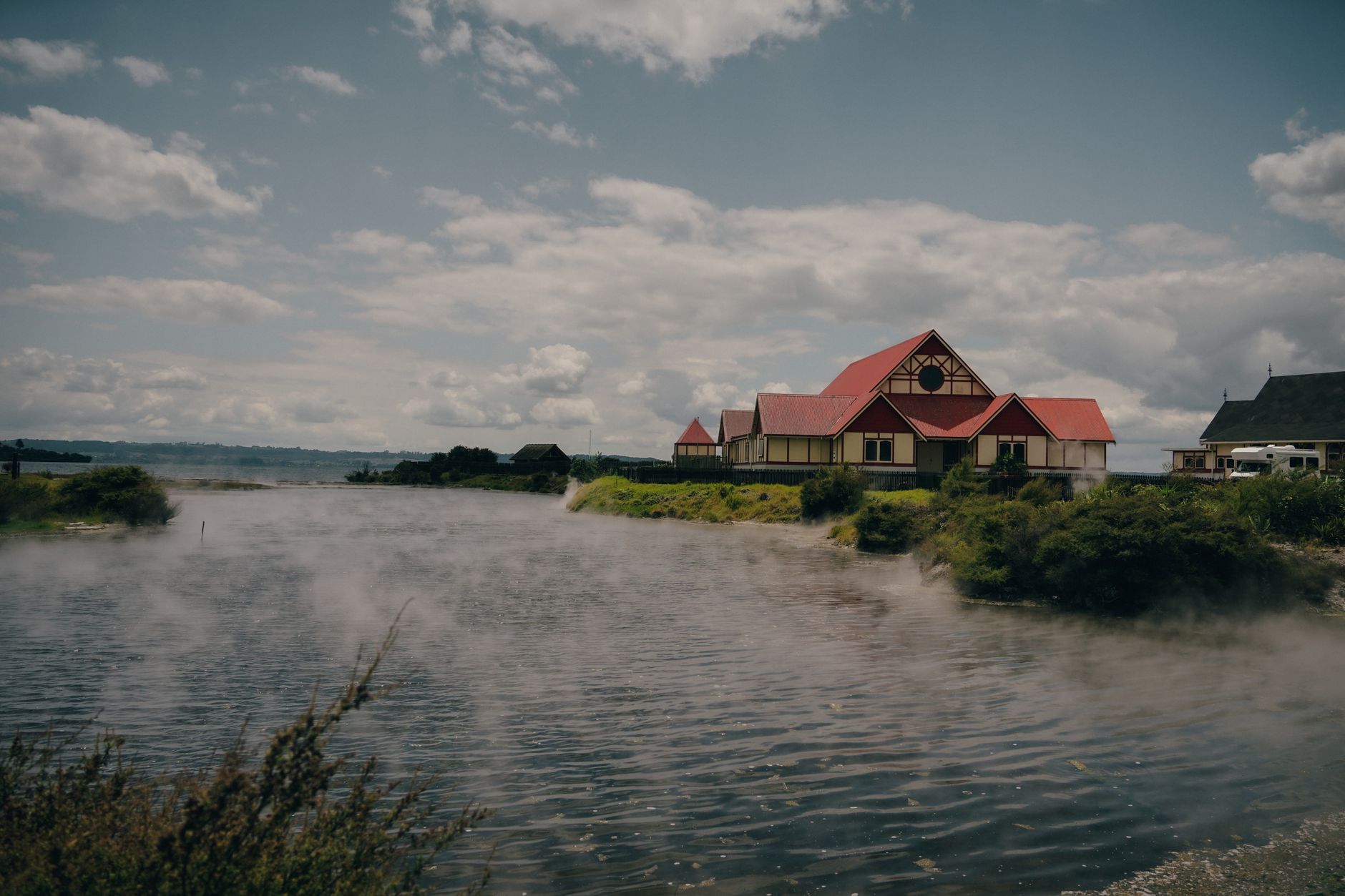
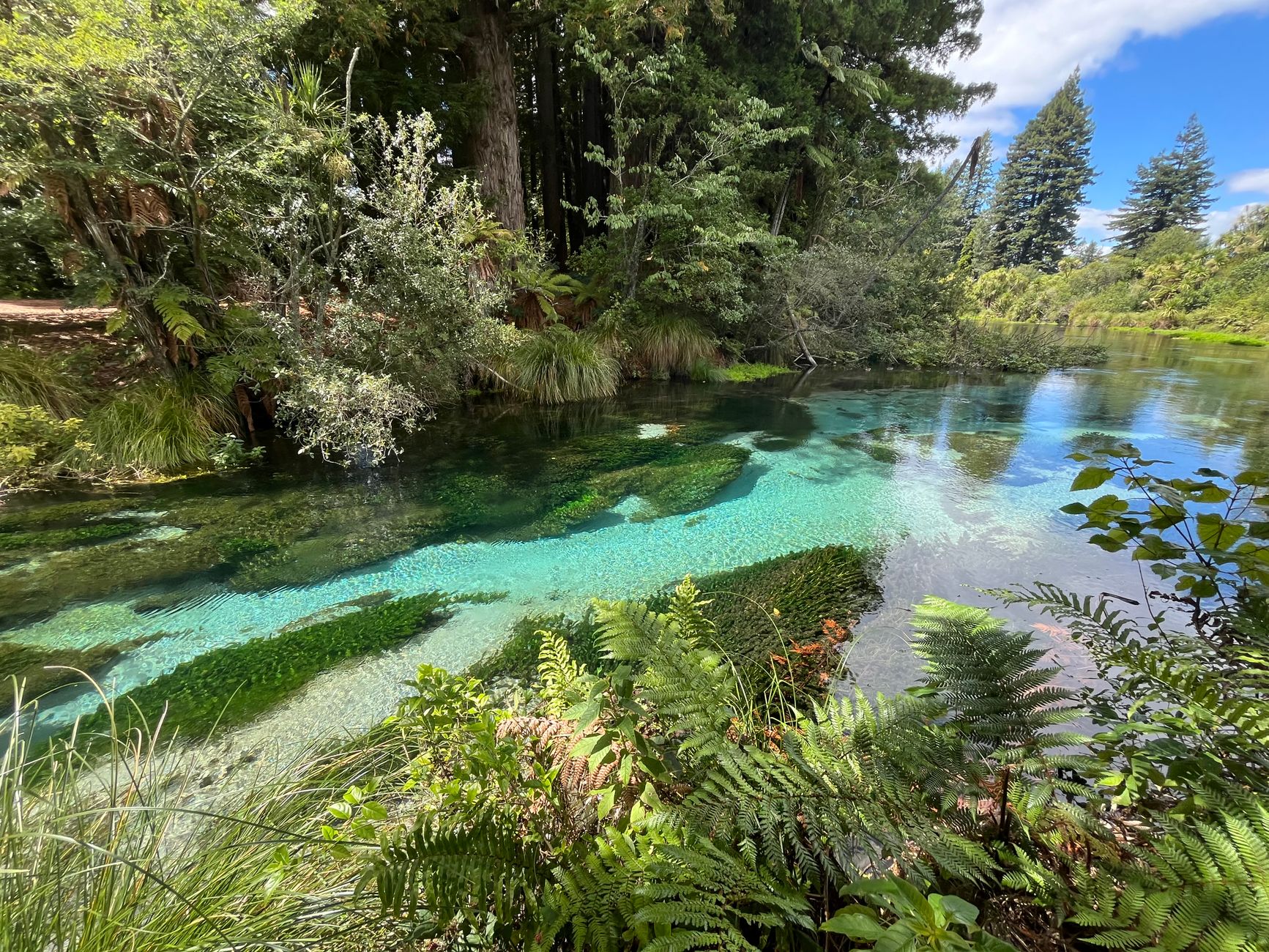


Sulfur steam vents directly through park lawns and roadside curbs here, hissed from an unruly crust beneath the asphalt. Te Arawa Maori have cooked in these boiling vents and bathed in the mineral pools since the fourteenth century. The town wraps around Lake Rotorua, flanked by towering California redwoods and sputtering mud calderas. It is noisy with subterranean water, remarkably hospitable, and unapologetically alive.
Last updated 1 Sept 2026
Build a Rotorua itinerary.
Choose up to 4 threads that pull you in. Your plan arrives organised around them.
The Bed
Where to stay in Rotorua
Which part of town to book, and what each one costs you in walking, noise or quiet.
The Comparison
Rotorua, or somewhere near it
The places you are realistically choosing between, and the honest case for each.
The Local Record
Where to read more about Rotorua
The blogs, boards, guides and operators worth bookmarking.
What to do in Rotorua North Island New Zealand
Days here divide cleanly between the heat beneath the soil and the cool shade of the tree canopy. Mornings usually start along the lakefront or in the geothermal reserve at Kuirau Park, moving south toward the redwood trails by afternoon. It suits active walkers, road trippers, and anyone curious about living indigenous culture who wants real history rather than a staged presentation.
24 hours in Rotorua North Island New Zealand
Spend your morning among the boiling springs of Te Puia, observing master carvers at work. Grab a pie and coffee on Tutanekai Street for lunch, then spend the afternoon walking the giant redwood tracks in Whakarewarewa Forest. Finish with an evening mineral soak at Polynesian Spa as steam rises over the lake. Select 1 Day above to see it.
2 days in Rotorua North Island New Zealand
Day two takes you out of the centre to Lake Tarawera. Walk the forest track to Hot Water Beach, visit the excavated ruins of Te Wairoa, and learn the story of the 1886 eruption. Head back to Eat Streat for dinner, ordering fresh local rainbow trout or a slow-steamed hangi plate. Choose 2 Days to expand the plan.
3 days in Rotorua North Island New Zealand
A third day allows an unhurried morning drive to Wai-O-Tapu to see Champagne Pool, followed by a swim at Kerosene Creek. In the afternoon, kayak across Lake Rotoiti to access secluded hot pools reachable only by water, avoiding the midday tour crowds completely.
Rotorua North Island New Zealand itineraries by interest
Geothermal Wonders in Rotorua North Island New Zealand
Watch the Pohutu Geyser erupt at Te Puia, inspect boiling mud pools at Kuirau Park, and walk the silica terraces of Wai-O-Tapu.
Indigenous Culture in Rotorua North Island New Zealand
Visit Ohinemutu and Whakarewarewa to understand Te Arawa living traditions, marae protocols, and hot-spring communal life.
Forest Trails in Rotorua North Island New Zealand
Walk beneath massive hundred-year-old California redwoods in Whakarewarewa Forest, especially along the elevated night-lit canopy walk.
Thermal Bathing in Rotorua North Island New Zealand
Soak in mineral waters at Polynesian Spa overlooking Lake Rotorua or slip into natural hot streams at Kerosene Creek near Waiotapu.
Earth Cooking in Rotorua North Island New Zealand
Eat traditional hangi meals of pork, kumara, and cabbage steamed underground over volcanic stones, or sweet corn boiled in natural vents.
Mountain Biking in Rotorua North Island New Zealand
Ride world-class dirt tracks through the Whakarewarewa network, featuring over two hundred kilometres of purpose-built volcanic pumice trails.
Craft Traditions in Rotorua North Island New Zealand
Observe master carvers and flax weavers working greenstone, totara wood, and harakeke at the New Zealand Maori Arts and Crafts Institute.
Lake Adventures in Rotorua North Island New Zealand
Kayak to glow-worm caves on Lake Rotoiti, swim at pristine Lake Tarawera, or take a morning walk along the waterfront at Lake Rotorua.
Native Wildlife in Rotorua North Island New Zealand
Spot nocturnal brown kiwi birds, ancient tuatara reptiles, and native rainbow trout up close at the National Kiwi Hatchery.
Day Trips in Rotorua North Island New Zealand
Drive forty minutes to the buried village of Te Wairoa and explore the volcanic chasm created by Mount Tarawera in 1886.
Local Cafes in Rotorua North Island New Zealand
Order flat whites and cheese scones along Tutanekai Street, then visit Eat Streat for regional craft beers and smoked fish chowder.
Walking Trails in Rotorua North Island New Zealand
Trek the Tarawera Trail from Te Wairoa to Hot Water Beach, finishing with a dip in thermally warmed lake shallows.