Sarandë.


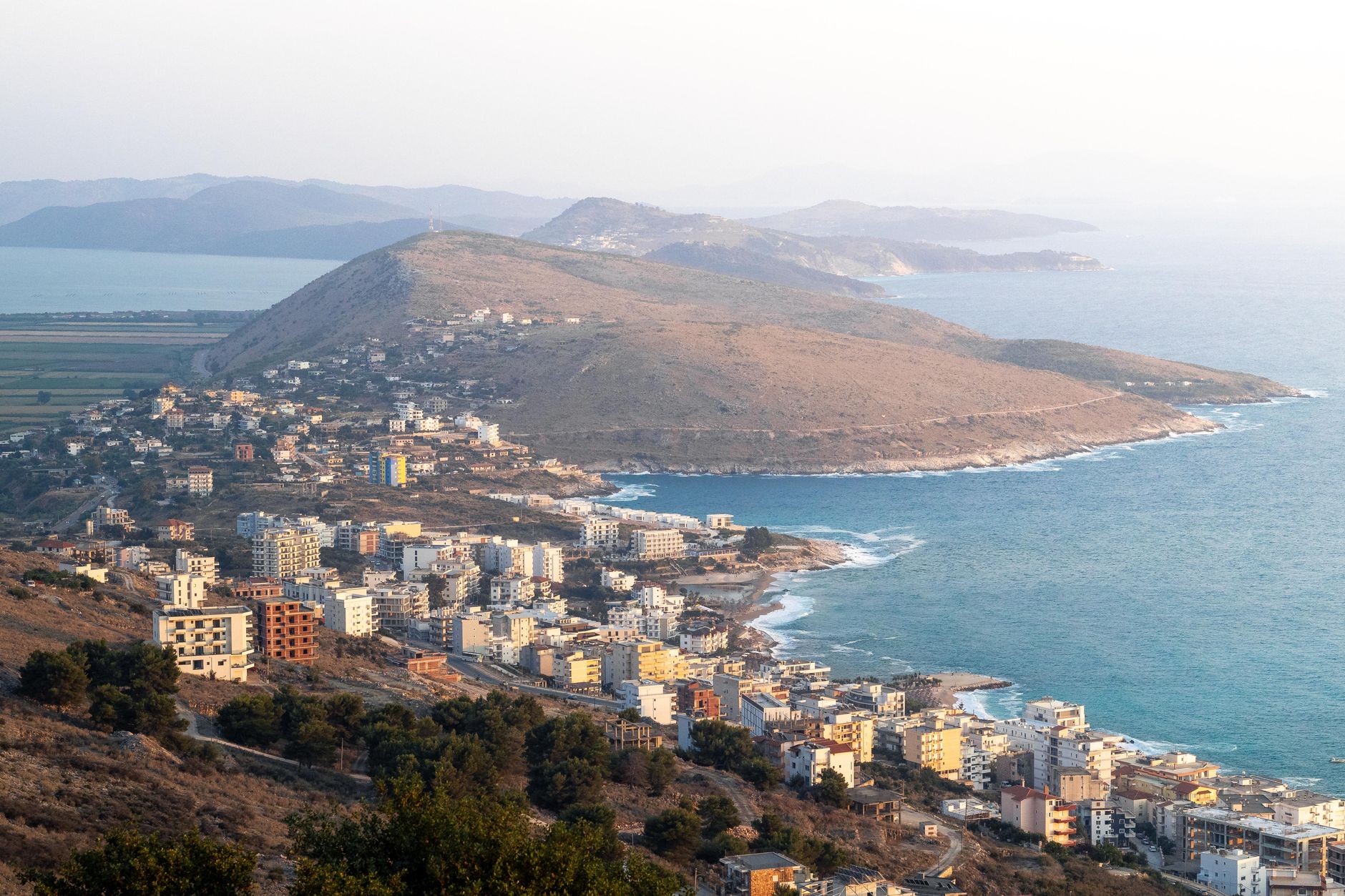
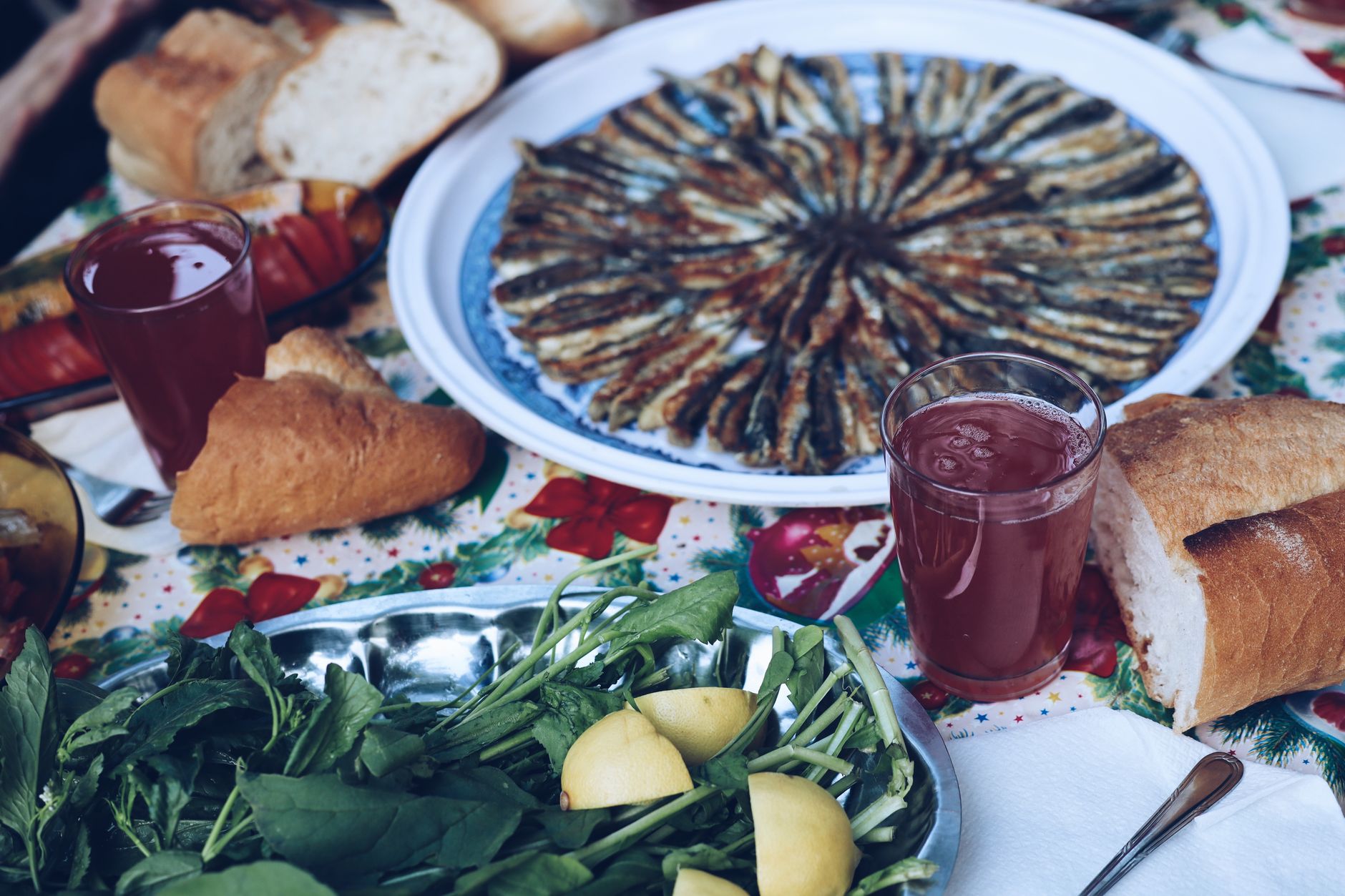

Sarandë sits thirty minutes by ferry across the strait from Corfu port, or four hours south of Tirana by bus along the mountain highway. The town is known for its horseshoe bay, deep-water mussel farming in Lake Butrint, and proximity to major classical ruins. Sarandë is worth visiting if you want platefuls of fresh Ionian shellfish and ancient Greco-Roman architecture reachable from a single coastal base. Look elsewhere if you want an untouched fishing hamlet free of high-rise apartment blocks.
Last updated 6 Nov 2026
Build a Sarandë itinerary.
Choose up to 4 threads that pull you in. Your plan arrives organised around them.
The Bed
Where to stay in Sarandë
Which part of town to book, and what each one costs you in walking, noise or quiet.
The Comparison
Sarandë, or somewhere near it
The places you are realistically choosing between, and the honest case for each.
The Local Record
Where to read more about Sarandë
The blogs, boards, guides and operators worth bookmarking.
What to do in Sarandë Vlorë County Albania
Sarandë curves around a sheltered Ionian bay, backed by bare limestone hills and facing the silhouette of Corfu. Days here start quietly over espresso at waterfront cafés, pick up around midday with boat trips and beach coves, and finish with the evening xhiro along the promenade. It suits independent travellers using the town as an unpretentious springboard for classical history, cold karst springs, and affordable seafood dinners.
24 hours in Sarandë Vlorë County Albania
Take an early morning bus south to walk the ruins of Butrint before the midday tour crowds arrive. Head back by two for a lunch of steamed mussels and fried calamari along Rruga Butrinti. End your evening on the Hasan Tahsini promenade with a scoop of gelato as the sun drops behind the Corfu channel. Select 1 Day above to see it.
2 days in Sarandë Vlorë County Albania
Dedicate your second morning to the mountain road toward the Blue Eye spring, where ice-cold river water surges up through a deep karst pool. In the afternoon, head up to Lëkurësi Castle for views across the plain, then seek out a backstreet grill in the Kodrra neighbourhood for grilled lamb ribs and cold draught beer. Choose 2 Days to expand the plan.
3 days in Sarandë Vlorë County Albania
A third day allows an unhurried morning boat ride to the small islets of Ksamil or a drive north along the coastal road toward the stone fortress at Porto Palermo. Spend the late afternoon wandering the quiet ruins of the Forty Saints Monastery on the hill, followed by roasted sea bream and dry local white wine by the port.
Sarandë Vlorë County Albania itineraries by interest
Local Seafood in Sarandë Vlorë County Albania
Grilled red mullet, whole sea bass, and raw red prawns seasoned simply with olive oil and fresh lemon along the fishing harbour docks.
Archaeology in Sarandë Vlorë County Albania
The UNESCO-listed ruins of Butrint, featuring a 3rd-century BC Greek theatre, Roman baths, and a 6th-century paleo-Christian baptistery floor.
Shellfish Farming in Sarandë Vlorë County Albania
Wooden punts working the mussel beds of Lake Butrint, yielding steamed black mussels served in garlicky white wine and herb broths.
Coastal Walks in Sarandë Vlorë County Albania
Evening strolls along the Hasan Tahsini promenade, joining locals for the sunset xhiro as the Ionian Sea turns slate grey.
Castle Views in Sarandë Vlorë County Albania
Lëkurësi Castle sits above the bay, offering wide views over the Corfu channel and the plains of Vrina from 16th-century Ottoman ramparts.
Beaches in Sarandë Vlorë County Albania
The pebble coves of Ksamil and Monastery Beach, where clear turquoise waters meet limestone ledges twenty minutes south of town.
Day Trips in Sarandë Vlorë County Albania
The freshwater spring at Syri i Kaltër, where cold, vivid blue water bubbles up from an underground karst cave in a mountain forest.
Traditional Dining in Sarandë Vlorë County Albania
Family-run tavernas serving baked tava kosi lamb, stuffed peppers, homemade byrek, and carafe wine produced in the Delvinë hills.
Local Markets in Sarandë Vlorë County Albania
The morning vegetable market off Rruga Skënderbeu, stocked with mountain oregano, wild sage, local feta, and seasonal pomegranates.
Island Crossings in Sarandë Vlorë County Albania
Passenger hydrofoils running daily across the Corfu Strait, linking the Albanian mainland to the Greek Ionian islands in thirty minutes.
Monasteries & Churches in Sarandë Vlorë County Albania
The 6th-century ruins of the Monastery of the Forty Saints, perched high on the eastern ridge overlooking the entire harbour basin.
Local Spirits in Sarandë Vlorë County Albania
Twice-distilled grape and plum raki poured in small glasses at no-frills neighbourhood kafeneve alongside strong Turkish coffee.