Sedbergh.


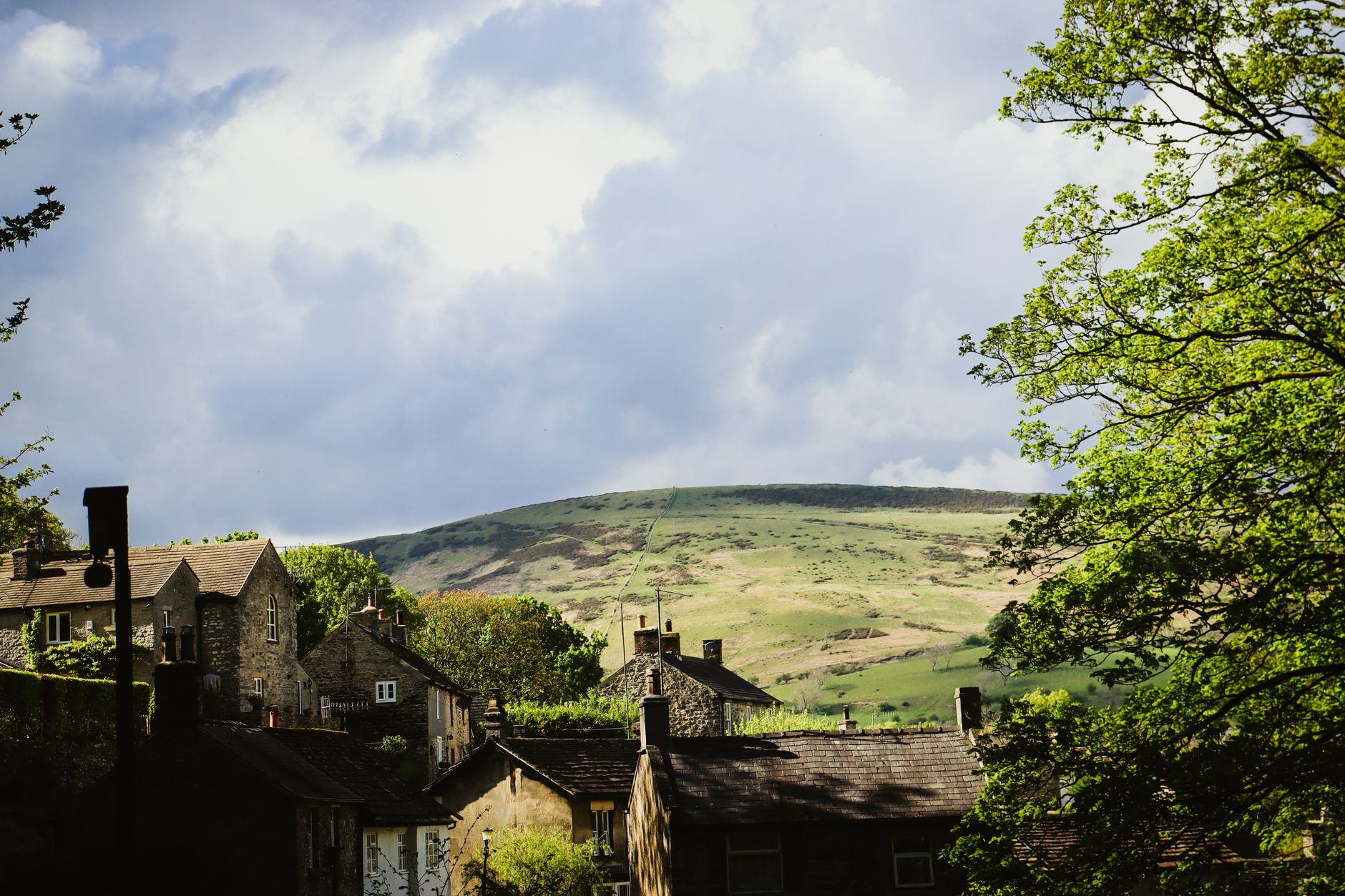
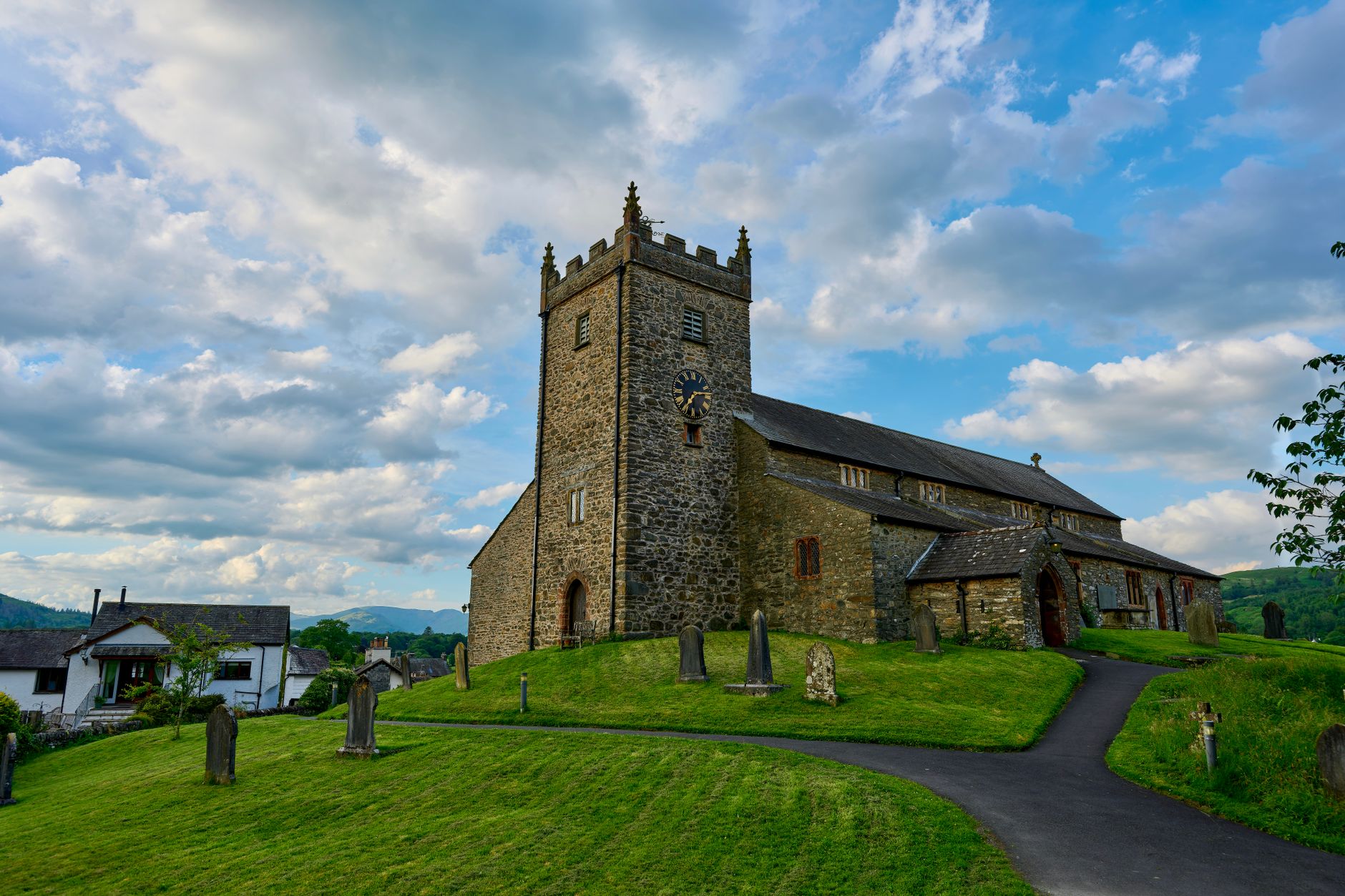


Sedbergh sits five miles east of the M6 motorway and a twenty-minute drive from Oxenholme Lake District railway station. The market town is England’s official book town, defined by independent secondhand bookshops and steep fell runs into the Howgills. Sedbergh is worth visiting if you want to browse specialist paperbacks in old stone shops and hike straight onto high grass ridges. Look elsewhere if you want late-night bars, seaside piers, or dependable wet-weather museum complexes.
Last updated 17 Oct 2026
Build a Sedbergh itinerary.
Choose up to 4 threads that pull you in. Your plan arrives organised around them.
The Bed
Where to stay in Sedbergh
Which part of town to book, and what each one costs you in walking, noise or quiet.
The Comparison
Sedbergh, or somewhere near it
The places you are realistically choosing between, and the honest case for each.
The Local Record
Where to read more about Sedbergh
The blogs, boards, guides and operators worth bookmarking.
What to do in Sedbergh Cumbria United Kingdom
Sedbergh is compact and easily walked, strung along Main Street beneath the steep backdrop of Winder. The town revolves around a quiet morning rhythm of open bookshop doors, bakery coffee, and boots lacing up for the Howgills. It suits walkers who want quick access to high ridges without Lake District car parks, and anyone who enjoys losing an afternoon in aisles of vintage paperbacks before a pint of bitter.
24 hours in Sedbergh Cumbria United Kingdom
Start with breakfast on Main Street, then spend the morning browsing the shelves at Westwood Books. By midday, hike the trail up Winder for views across the Lune Valley. Descend through town for a late lunch, stroll to Brigflatts Meeting House, and finish with beef and ale stew by the hearth at the Dalesman Country Inn. Select 1 Day above to see it.
2 days in Sedbergh Cumbria United Kingdom
On your second day, walk along the River Clough to Farfield Mill to watch the restored looms in action. Drive fifteen minutes north along the A683 to walk up the gorge beneath Cautley Spout. For dinner, head into nearby Dentdale for a pint of Dent ale and locally reared lamb in the cobbled village of Dent. Choose 2 Days to expand the plan.
3 days in Sedbergh Cumbria United Kingdom
Three days allow a full ridge traverse across the Howgills to the Calf, returning via Bowderdale. Spend your final afternoon taking the quiet back road into Garsdale or exploring the secondhand stalls at the Wednesday market on Joss Lane without checking your watch.
Sedbergh Cumbria United Kingdom itineraries by interest
Used Books in Sedbergh Cumbria United Kingdom
Rummage through tens of thousands of secondhand titles at Westwood Books, the Dalesman country shop, and independent stalls along Main Street.
Fell Walking in Sedbergh Cumbria United Kingdom
Hike straight from town up Winder and along the smooth, rolling grass ridges of the Howgill Fells toward the steep heights of the Calf.
Pubs & Ale in Sedbergh Cumbria United Kingdom
Drink hand-pulled local bitter by the fire and order Cumberland sausage and mash at the Dalesman Country Inn or the Red Lion on Finkle Street.
Wool & Textiles in Sedbergh Cumbria United Kingdom
Visit Farfield Mill to watch heritage Dobcross looms weave tweed and buy locally produced woollen throws, blankets, and yarn on the River Clough.
Historic Churches in Sedbergh Cumbria United Kingdom
Inspect twelfth-century Norman pillars, sandstone nave arches, and quiet burial grounds at the parish Church of St Andrew on Main Street.
Waterfalls & Rivers in Sedbergh Cumbria United Kingdom
Walk the footpath along the River Rawthey or take the trail to Cautley Spout, England's highest cascade above ground, falling down Cautley Crags.
Quaker Heritage in Sedbergh Cumbria United Kingdom
Climb to Fox's Pulpit on Firbank Fell and visit the historic 1675 Brigflatts Meeting House with its plain oak benches and whitewashed walls.
Local Produce in Sedbergh Cumbria United Kingdom
Pick up farmhouse butter, Dales cheeses, dry-cured bacon, and fresh pies at the weekly Wednesday market on Joss Lane and local butcher counters.
Baking & Cafes in Sedbergh Cumbria United Kingdom
Sit down for fruit scones with clotted cream, warm sourdough toast, and tea at independent spots like the Three Hares and Smatt's Kitchen.
River Walks in Sedbergh Cumbria United Kingdom
Follow the scenic riverside trails along the Rawthey and Lune rivers, crossing old stone packhorse bridges and peaceful sheep meadows.
School Architecture in Sedbergh Cumbria United Kingdom
Walk past the Tudor-style stone buildings, cloistered quads, and sixteenth-century founding sites of Sedbergh School across the south edge of town.
Farming Heritage in Sedbergh Cumbria United Kingdom
Observe traditional drystone dykes, Rough Fell sheep farming, and cattle grazing across the surrounding limestone and gritstone dales.