

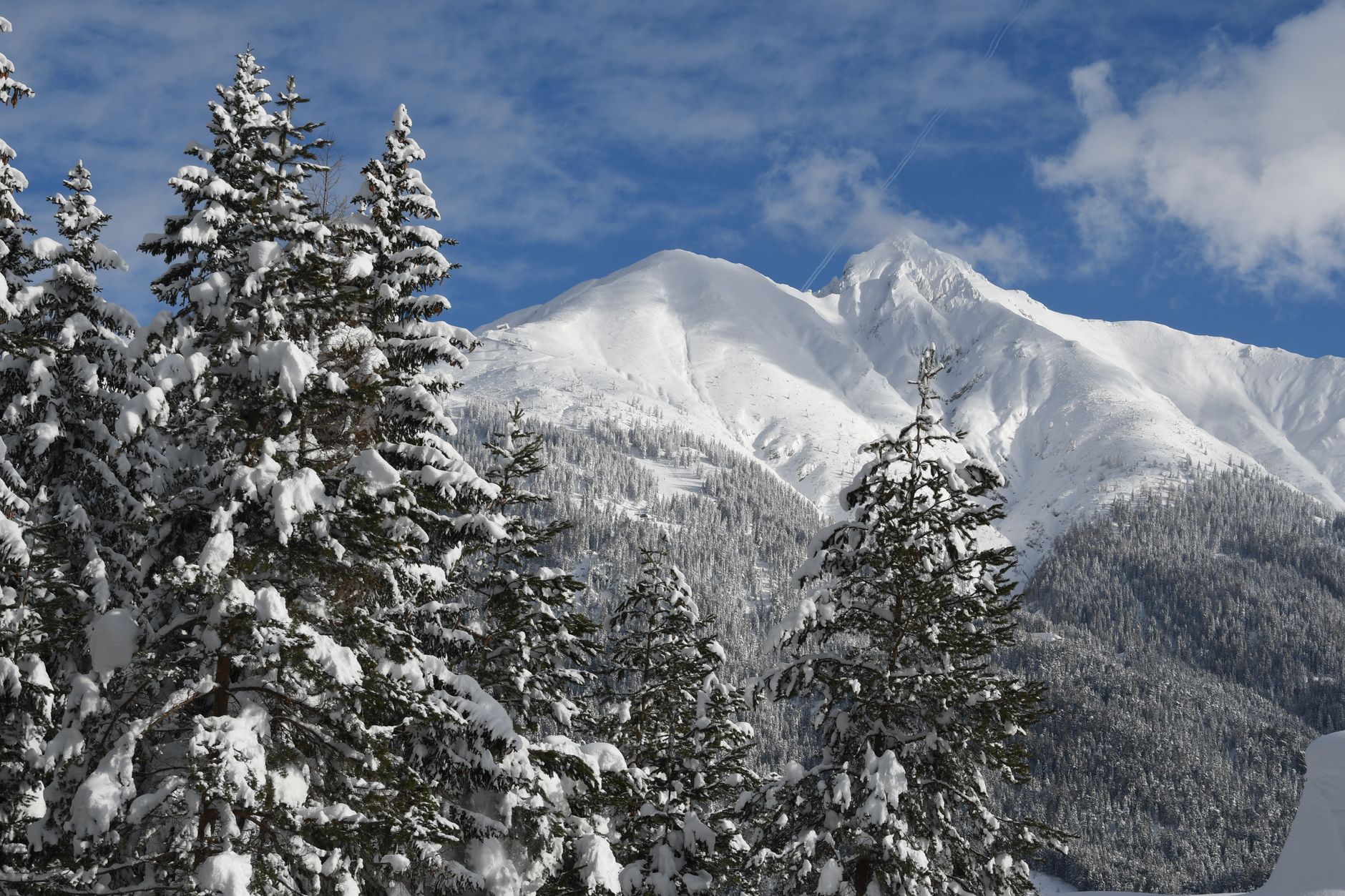
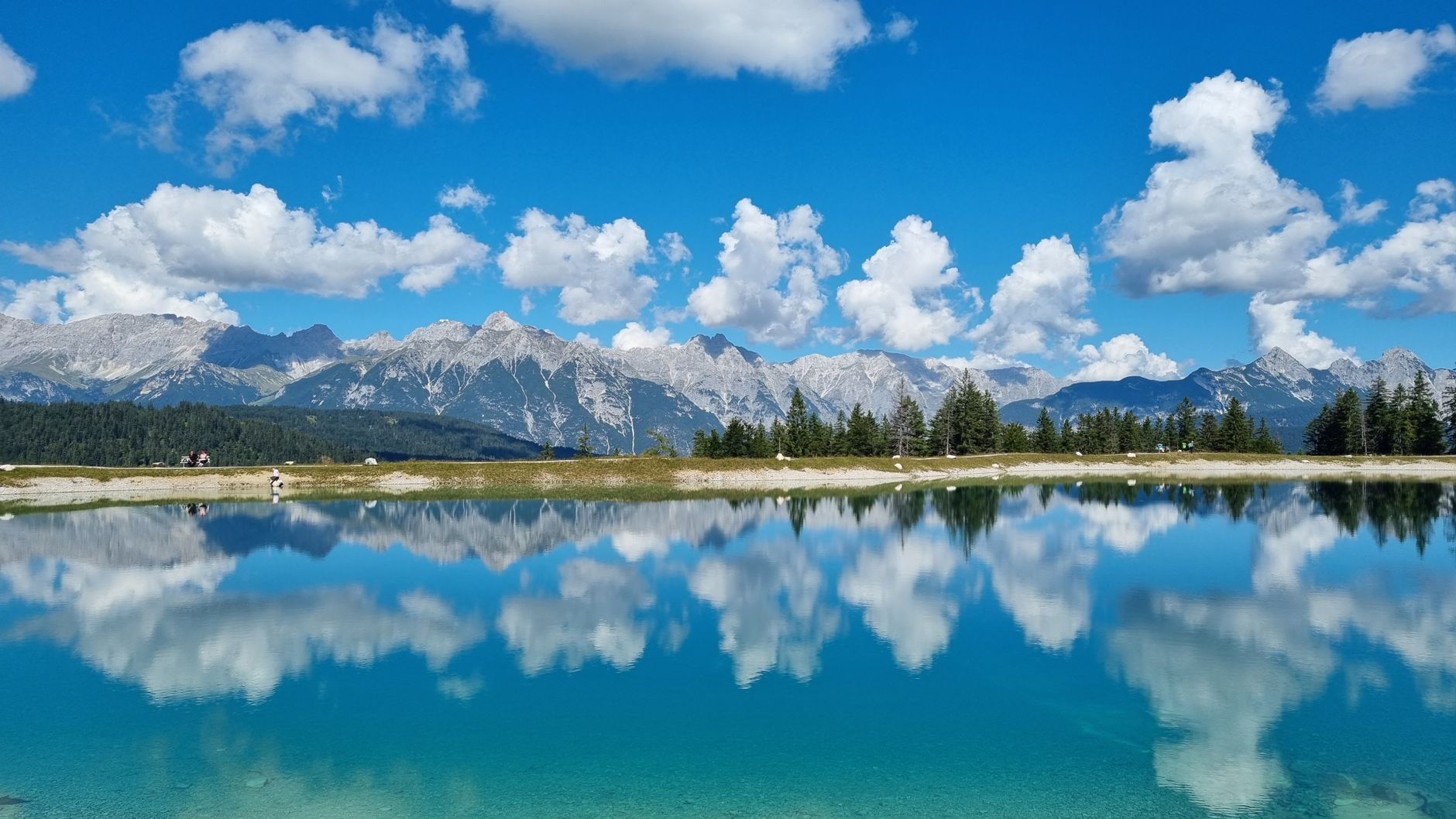
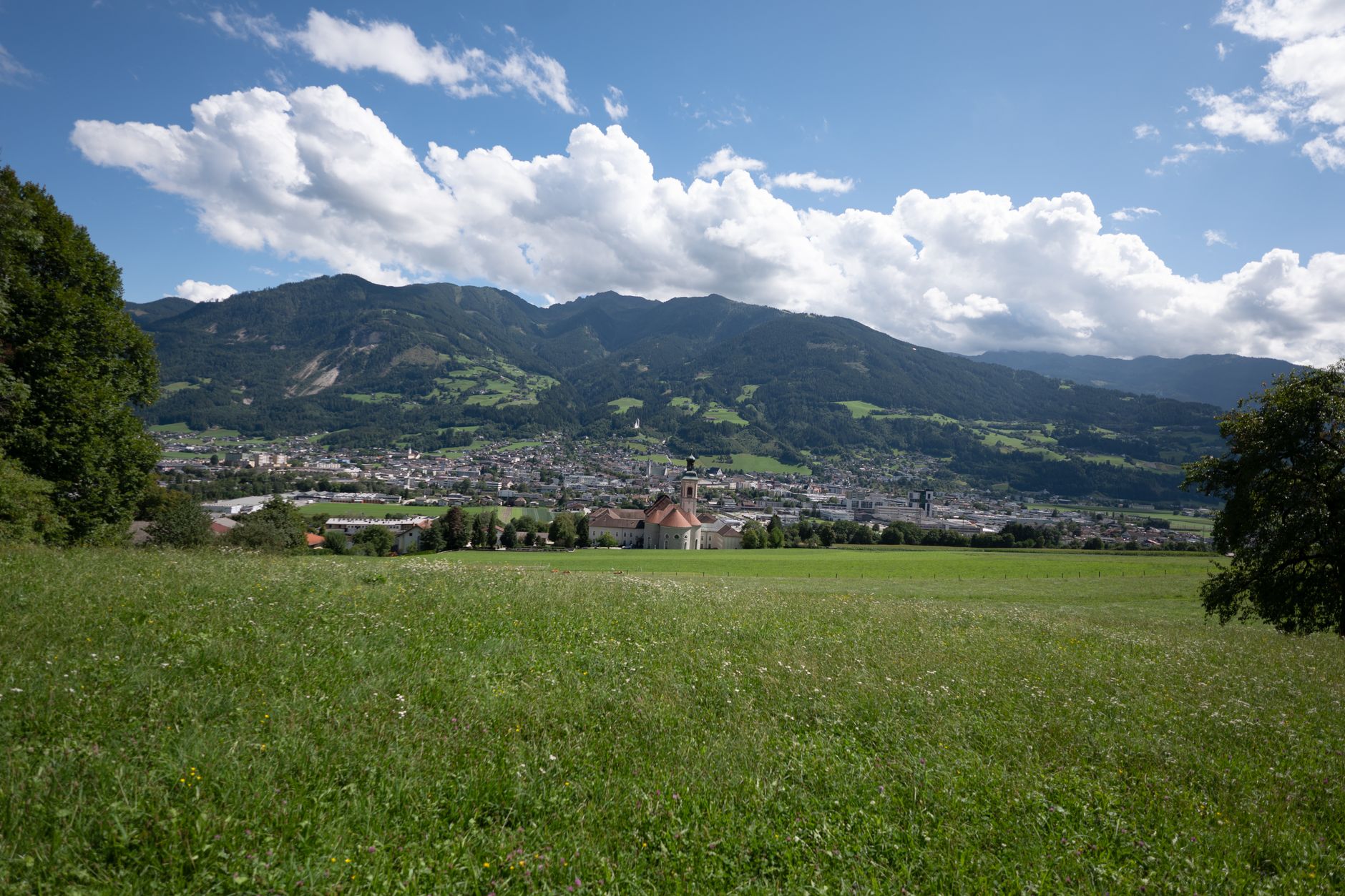
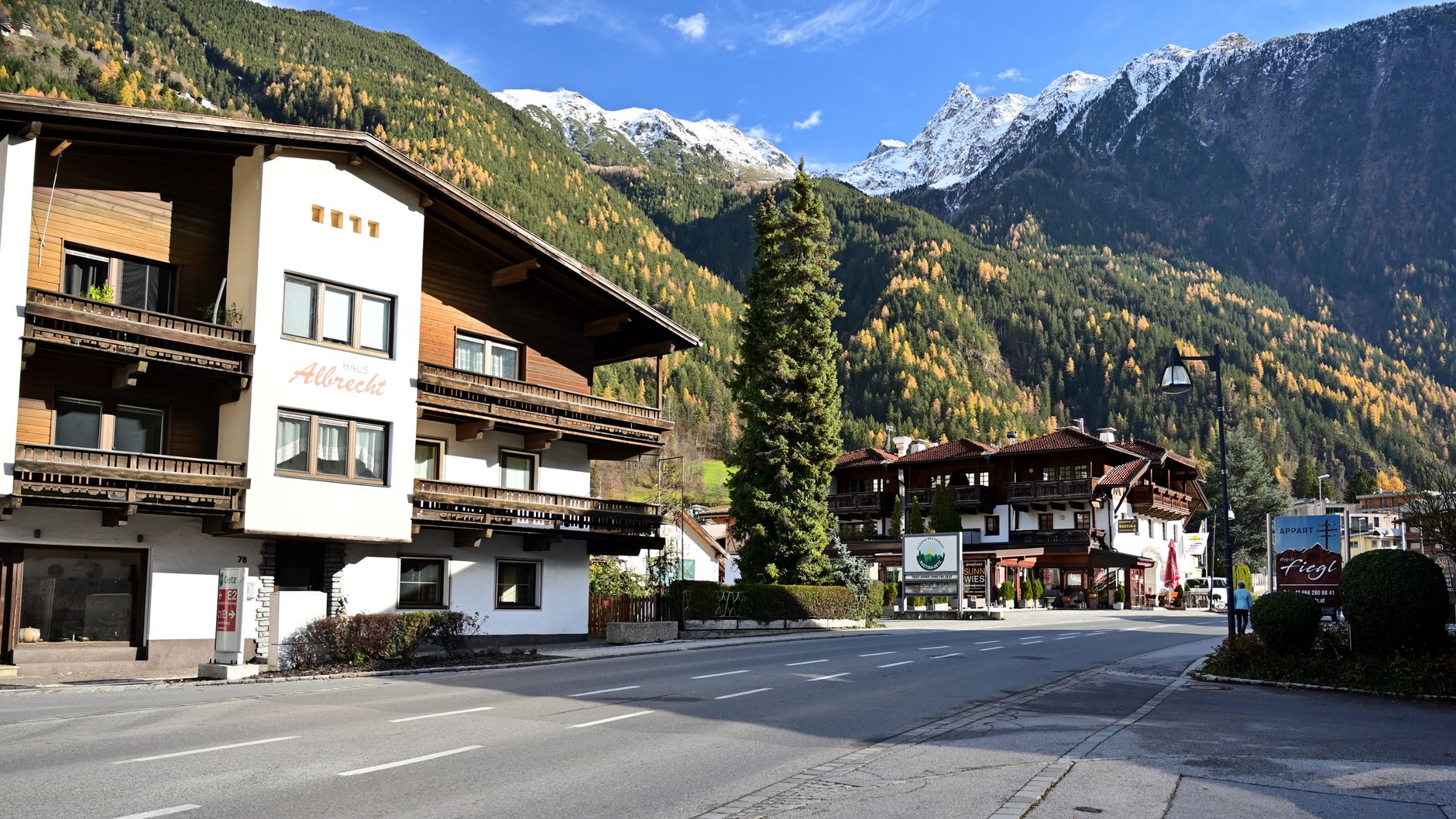
Seefeld sits on a broad plateau 1,200 metres above sea level, thirty minutes north-west of Innsbruck via the Karwendel railway. The town is primarily built around Nordic skiing and gentle high-altitude walking trails that loop past mountain huts and the Wetterstein range. Seefeld in Tirol is worth visiting if you want groomed cross-country tracks, crisp plateau walks, and a bowl of speckknödel soup after four hours in the cold air. Look elsewhere if you want raucous late-night apres-ski, steep freeride chutes, or budget hostels.
Last updated 6 Oct 2026
Build a Seefeld in Tirol itinerary.
Choose up to 4 threads that pull you in. Your plan arrives organised around them.
The Bed
Where to stay in Seefeld in Tirol
Which part of town to book, and what each one costs you in walking, noise or quiet.
The Comparison
Seefeld in Tirol, or somewhere near it
The places you are realistically choosing between, and the honest case for each.
The Local Record
Where to read more about Seefeld in Tirol
The blogs, boards, guides and operators worth bookmarking.
What to do in Seefeld in Tirol Tyrol Austria
Life in Seefeld revolves around the wide, sunny bowl between the Karwendel and Wetterstein massifs. The compact, pedestrianised core centres on the Gothic parish church and railway station, but the real draw begins where the pavement ends. Days here belong to rhythmic physical motion: gliding along Nordic tracks, walking to high alpine huts, and settling into timber-clad stuben for savoury knödel and cold local beer.
24 hours in Seefeld in Tirol Tyrol Austria
Start early with a flat stroll around the Wildsee before taking the funicular up to Rosshütte for lunch with high ridge views. Walk back down past the Seekirchl to the pedestrian centre. Dine on pan-seared Tiroler Gröstl at an old tavern like Batzenhäusl, just a ten-minute walk from the tracks. Select 1 Day above to see it.
2 days in Seefeld in Tirol Tyrol Austria
Head out to the quieter Leutasch valley, a fifteen-minute bus ride away. Hike or ski the wide river trail toward the Gaistal alpine pastures, stopping at Hämmermoosalm for fresh Kaiserschmarrn. Spend the evening soaking in the herbal saunas at the Olympiabad. Choose 2 Days to expand the plan.
3 days in Seefeld in Tirol Tyrol Austria
Catch the Karwendelbahn train down to Mittenwald just across the Bavarian border to see painted house facades and violin workshops, or take the thirty-minute rail hop into Innsbruck for the Hofburg and old taverns along the river Inn before returning to the quiet plateau.
Seefeld in Tirol Tyrol Austria itineraries by interest
Cross-Country Skiing in Seefeld in Tirol Tyrol Austria
Glide along 245 kilometres of groomed tracks across the plateau, connecting Seefeld, Leutasch, and Mösern with classic and skating lanes.
Alpine Hiking in Seefeld in Tirol Tyrol Austria
Take the Rosshütte funicular up to Seefelder Joch and hike the ridge toward Harmelekopf for sweeping views over the Karwendel nature park.
Local Taverns in Seefeld in Tirol Tyrol Austria
Order pan-fried Kaspressknödel floating in beef broth or Tiroler Gröstl with fried eggs at traditional Wirtshäuser like Gasthof Batzenhäusl.
Sacred Architecture in Seefeld in Tirol Tyrol Austria
Visit the 15th-century Parish Church of St. Oswald, famous for its Gothic portal and the 1384 Host Miracle legend, right in the pedestrian core.
Lake Walks in Seefeld in Tirol Tyrol Austria
Circle the flat perimeter path around the Wildsee, passing protected peat bogs, waterbirds, and reed beds beneath the surrounding limestone peaks.
Winter Sports in Seefeld in Tirol Tyrol Austria
Test the Toni-Seelos Olympic ski jump facility or practice biathlon marksmanship on dedicated ranges in the Leutasch valley.
Historic Landmarks in Seefeld in Tirol Tyrol Austria
Walk out to the octagonal Seekirchl chapel, built in 1629 by Archduke Leopold V, standing solitary on the western edge of the town green.
Pasture Huts in Seefeld in Tirol Tyrol Austria
Hike up to the Bodenalm or Hämmermoosalm for wooden benches, fresh buttermilk, Brettljause cold cuts, and warm Kaiserschmarrn with stewed plums.
Mountain Railways in Seefeld in Tirol Tyrol Austria
Ride the Standseilbahn funicular from the valley base to Rosshütte, then transfer to the cable car bound for the 2,064-metre Seefelder Spitze.
Boutique Shopping in Seefeld in Tirol Tyrol Austria
Browse the pedestrian zone along Klosterstrasse for boiled-wool jackets, Tyrolean schnapps, local honey, and handcrafted mountain boots.
Day Trips in Seefeld in Tirol Tyrol Austria
Board the S-Bahn through the steep Martinwand cliffs to Innsbruck to see the Goldenes Dachl and explore the Imperial Hofburg palace.
Spa & Wellness in Seefeld in Tirol Tyrol Austria
Warm tired legs in the cedar saunas and outdoor brine pools at the Olympiabad complex, overlooking the snowy peaks and the Seekirchl.