_01.jpg)

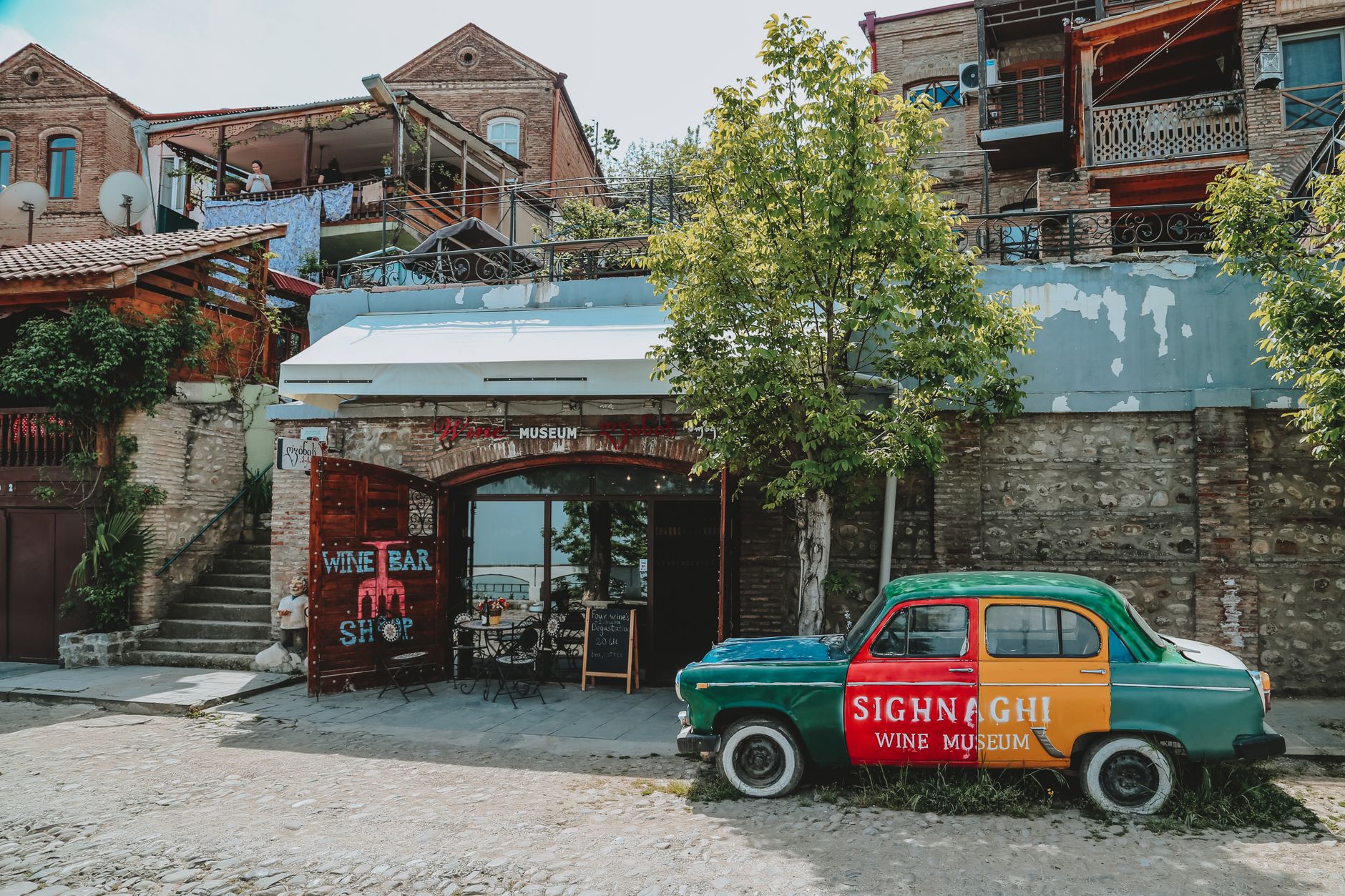
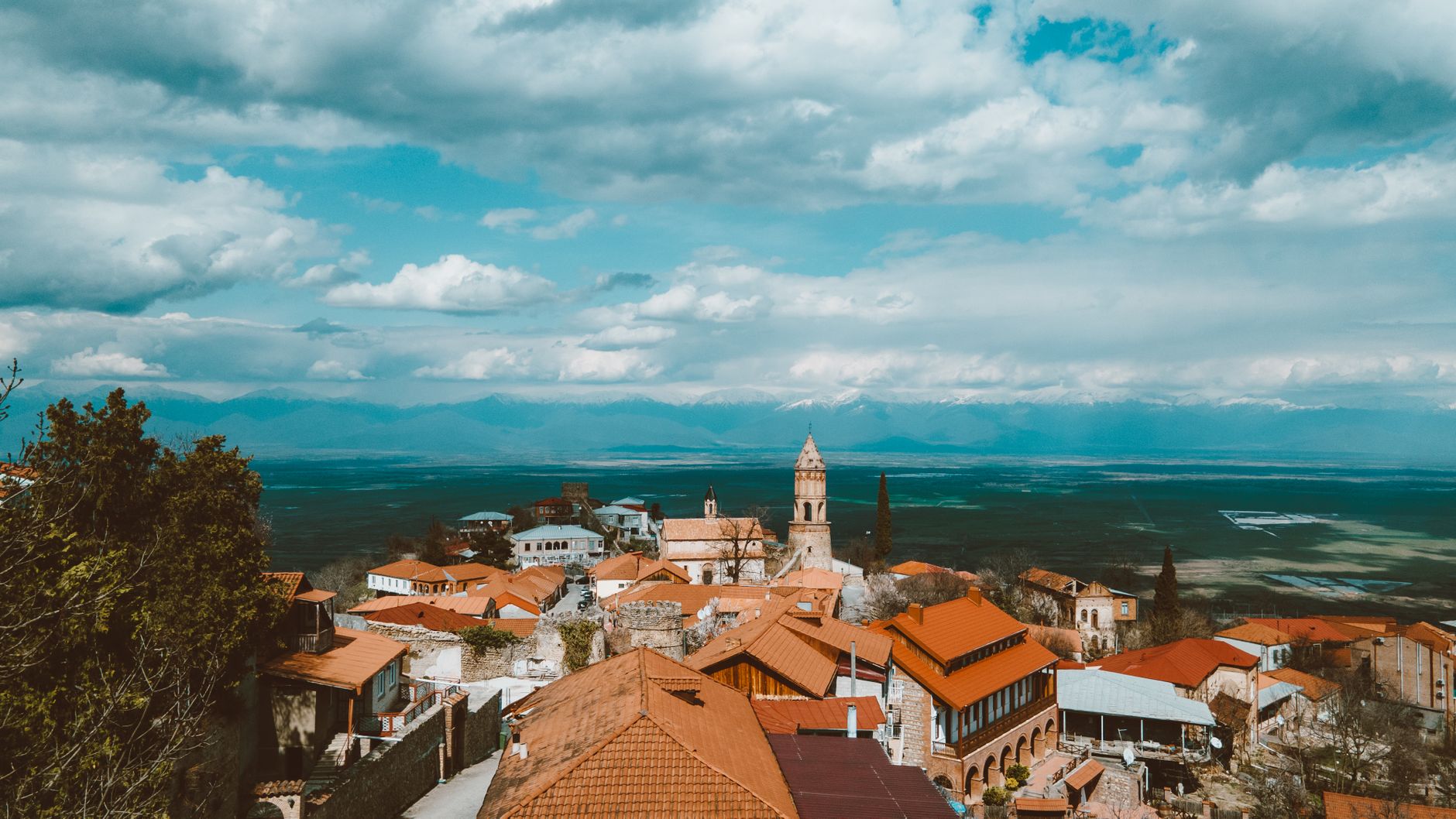


Red-tiled roofs spill down a steep limestone ridge over the vast Alazani Valley, with the snowcapped Caucasus jagged along the horizon. King Erekle II fortified this knob of land in the eighteenth century, leaving behind four kilometres of stone ramparts and twenty-three watchtowers you can still climb. Cobblestones test your ankles at every turn. Down below, winemakers tap subterranean clay qvevris to pour deep, tannic amber Rkatsiteli aged with skin, stem, and patience.
Last updated 2 Sept 2026
Build a Sighnaghi itinerary.
Choose up to 4 threads that pull you in. Your plan arrives organised around them.
The Bed
Where to stay in Sighnaghi
Which part of town to book, and what each one costs you in walking, noise or quiet.
The Comparison
Sighnaghi, or somewhere near it
The places you are realistically choosing between, and the honest case for each.
The Local Record
Where to read more about Sighnaghi
The blogs, boards, guides and operators worth bookmarking.
What to do in Sighnaghi Kakheti Georgia
Perched on a Kakhetian bluff, Sighnaghi concentrates its charm along stone-paved lanes, restored wooden balconies, and its sprawling curtain wall. Days revolve around unhurried rambles between cellar doors, visits to nearby monastic sites, and lingering family-style dinners over terracotta carafes. It suits slow travellers, wine enthusiasts, and anyone who appreciates dramatic mountain geography paired with robust Georgian hospitality.
24 hours in Sighnaghi Kakheti Georgia
Start by walking the 1762 fortress walls before midday heat sets in. For lunch, grab fresh shoti bread and sulguni cheese on Rustaveli Square. Spend the afternoon wandering Bodbe Monastery, two kilometres away, then finish with a clay pot of simmering chashushuli and a bottle of skin-contact Saperavi at Pheasant's Tears or a family marani. Select 1 Day above to see it.
2 days in Sighnaghi Kakheti Georgia
Head down into the fertile Alazani Valley floor on day two. Visit the subterranean wine tunnels in Kvareli or the historic manor cellars at Tsinandali, twenty-five miles away. Return to the heights of Sighnaghi for dinner, ordering charred pork mtsvadi grilled over dried vine clippings and walnut-rich badrijani at a hillside terrace. Choose 2 Days to expand the plan.
3 days in Sighnaghi Kakheti Georgia
A third day allows a deep excursion into the rugged semi-desert landscapes of Davit Gareja cave monastery along the Azerbaijani border, an hour and a half southwest. Alternatively, spend an unhurried morning browsing Pirosmani paintings at the local museum followed by a guided qvevri-making workshop in rural Kakheti.
Sighnaghi Kakheti Georgia itineraries by interest
Wine & Vineyards in Sighnaghi Kakheti Georgia
Taste amber Rkatsiteli and deep Saperavi fermented with wild yeasts in terracotta qvevris buried under cellar flagstones.
Defensive Architecture in Sighnaghi Kakheti Georgia
Walk the 1762 ramparts and climb the surviving towers overlooking the sweeping plains of the Alazani Valley.
Sacred Architecture in Sighnaghi Kakheti Georgia
Walk two kilometres downhill through cypress groves to Bodbe Monastery, resting place of Saint Nino, with quiet ninth-century stone masonry.
Local Cuisine in Sighnaghi Kakheti Georgia
Order clay pots of hot chashushuli beef stew, grilled mtsvadi skewers on vine clippings, and walnut-stuffed nigvziani badrijani eggplant.
Regional Breads in Sighnaghi Kakheti Georgia
Watch bakers slap shoti bread dough against the curved clay walls of glowing tone ovens along Kostava and Rustaveli streets.
Markets & Produce in Sighnaghi Kakheti Georgia
Browse stalls heaped with churchkhela walnut candles, dried persimmons, sulguni cheese rounds, and fragrant Kakhetian sunflower oil.
Textile Traditions in Sighnaghi Kakheti Georgia
Inspect handwoven wool kilims, felted scarves, and naturally dyed rugs in the family workshops tucked into Chavchavadze Street.
Day Trips in Sighnaghi Kakheti Georgia
Drive thirty minutes down into the valley to Tsinandali Estate, Velistsikhe cellars, or the massive seventeenth-century Gremi citadel.
Scenic Views in Sighnaghi Kakheti Georgia
Take a morning bench along the northern wall looking out across the flat agricultural basin to the distant Greater Caucasus wall.
Distilling Traditions in Sighnaghi Kakheti Georgia
Sample fiery grape chacha, poured clear from copper pot stills in courtyard gardens alongside pickled jonjoli flowers.
Walking & Hiking in Sighnaghi Kakheti Georgia
Follow the stepped path down the gorge to Saint Nino’s healing spring, or trace the quiet dirt trails through the Bodbe woods.
Local Heritage in Sighnaghi Kakheti Georgia
Visit the Sighnaghi Museum on Rustaveli Square to view regional Bronze Age relics and sixteen original canvases by painter Niko Pirosmani.