

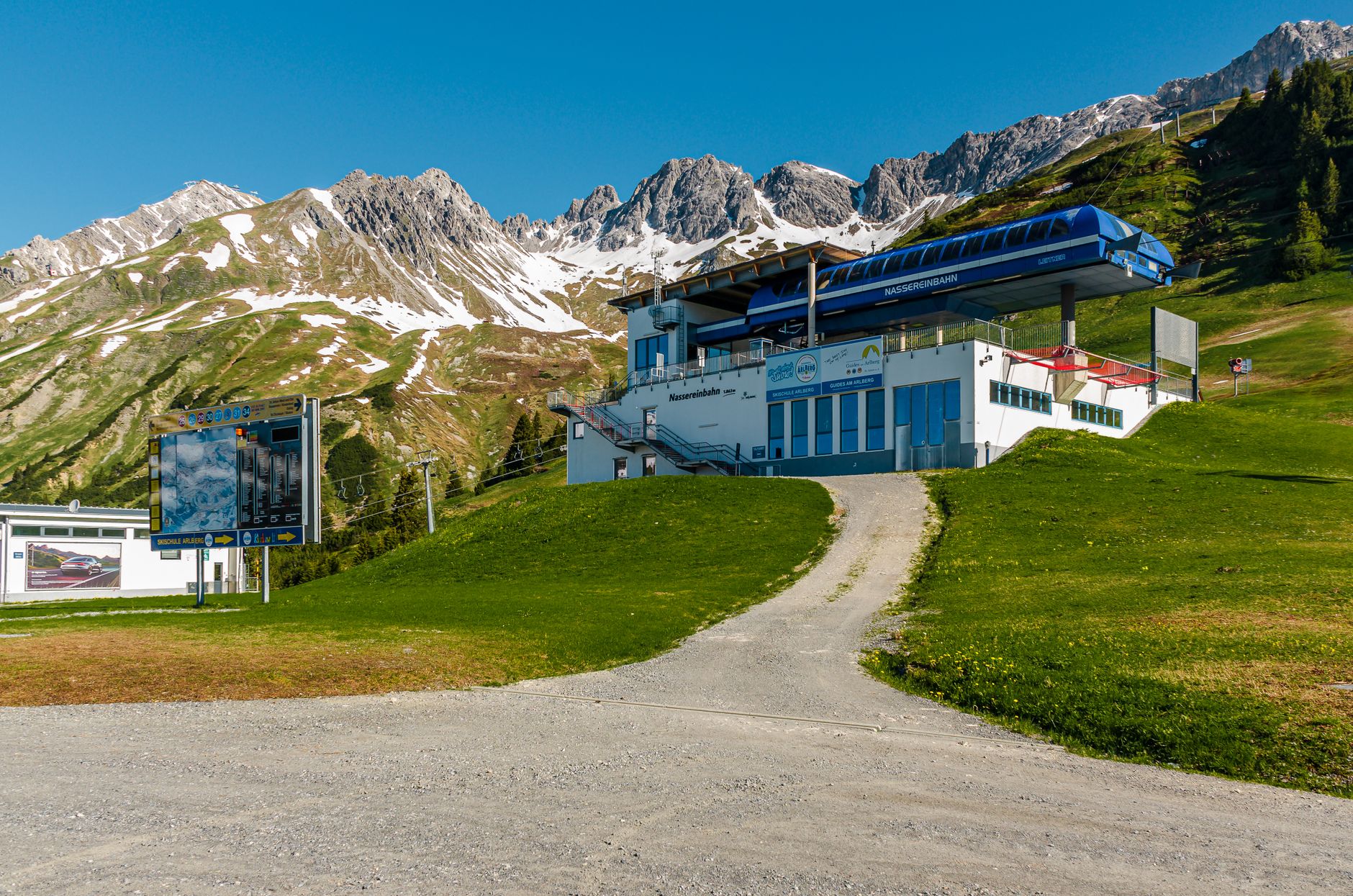
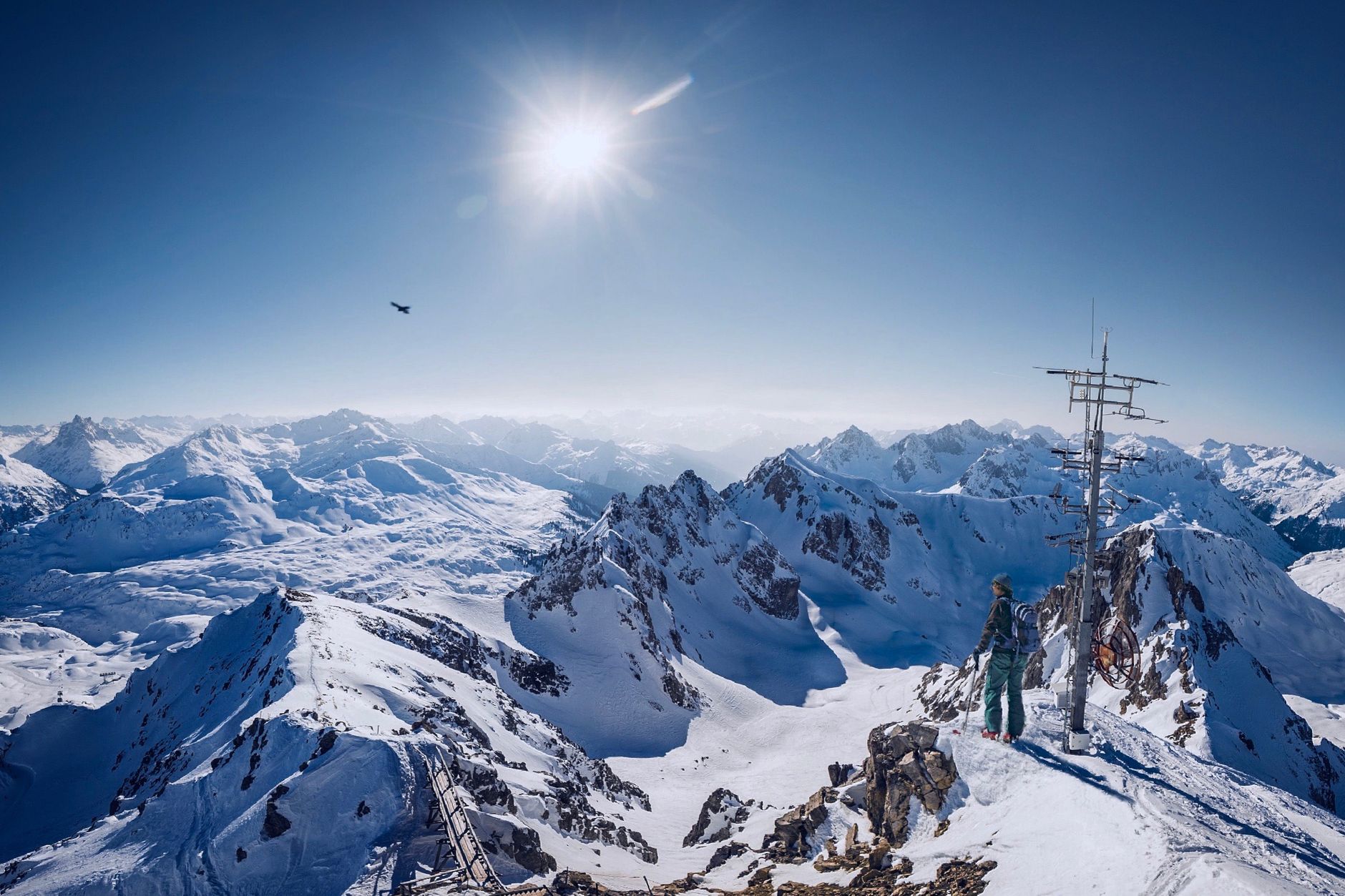
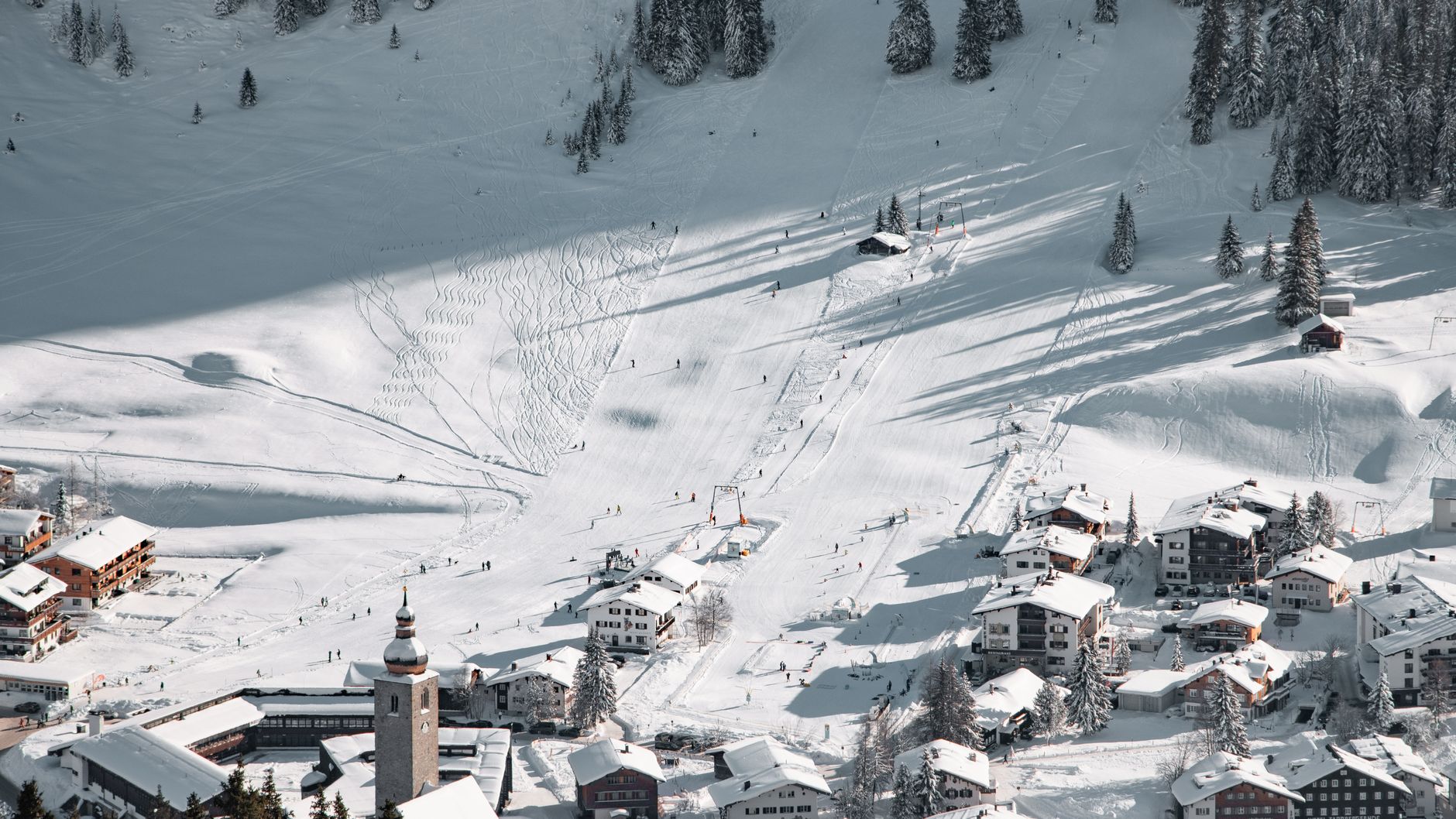
The train drops you directly into the valley floor, where steel rails meet serious granite. Above the pedestrianised Dorfstrasse, the Arlberg massif rises with severe intent, reminding you that modern downhill technique was codified right here on these icy pitches in the 1920s. In summer, cowbells replace the thumping bass of the ski huts, and the air turns cool and pine-scented. You come here to move hard outdoors and eat even heavier. St. Anton am Arlberg is worth visiting if you want demanding alpine terrain backed by serious Tyrolean cooking. Look elsewhere if you want gentle beginner slopes, flat walking paths, budget accommodation, or rain-proof indoor cultural sights.
Last updated 6 Sept 2026
Build a St. Anton am Arlberg itinerary.
Choose up to 4 threads that pull you in. Your plan arrives organised around them.
The Bed
Where to stay in St. Anton am Arlberg
Which part of town to book, and what each one costs you in walking, noise or quiet.
The Comparison
St. Anton am Arlberg, or somewhere near it
The places you are realistically choosing between, and the honest case for each.
The Local Record
Where to read more about St. Anton am Arlberg
The blogs, boards, guides and operators worth bookmarking.
What to do in St. Anton am Arlberg Tyrol Austria
Life here runs strictly along the valley contour. The town centres on Dorfstrasse, where gear shops, bakeries, and wood-panelled taverns sit beneath towering scree slopes. Mornings belong to the lifts, principally the Galzig and Gampen lines, while afternoons wind down in steamy saunas or over plates of Kaspressknödel. It suits travellers who prefer raw vertical relief and brisk mountain air over manicured resort polish.
24 hours in St. Anton am Arlberg Tyrol Austria
Board the Galzigbahn early, then transfer to the Valluga cable car for high-ridge views before clouds roll in. Descend for lunch at Sennhütte over a sizzling skillet of Tiroler Gröstl. Spend the afternoon walking the pine trails around the Verwallsee, finishing with a glass of dry Grüner Veltliner on Dorfstrasse. Select 1 Day above to see it.
2 days in St. Anton am Arlberg Tyrol Austria
Head west over the pass toward neighbouring St. Christoph and Lech. Walk the high pastures above the Flexen Pass, where alpine dairies churn sharp Bergkäse. In the evening, retreat to a quiet Stuben inn for slow-braised venison stew and a nip of local stone-pine schnaps by a tiled ceramic stove. Choose 2 Days to expand the plan.
3 days in St. Anton am Arlberg Tyrol Austria
A third day allows an unhurried excursion down the Stanzer Valley to Landeck, or a full day hiking the quiet Verwall Valley to Konstanzer Hütte. Pack rye bread, smoked Speck, and mountain cheese, letting the trail unfold at a steady, restorative pace far from the main lifts.
St. Anton am Arlberg Tyrol Austria itineraries by interest
Alpine Skiing in St. Anton am Arlberg Tyrol Austria
Tackle the Valluga north face, ski the Run of Fame circuit, or carve through the steep off-piste powder lines that pioneered modern downhill technique.
Tyrolean Cuisine in St. Anton am Arlberg Tyrol Austria
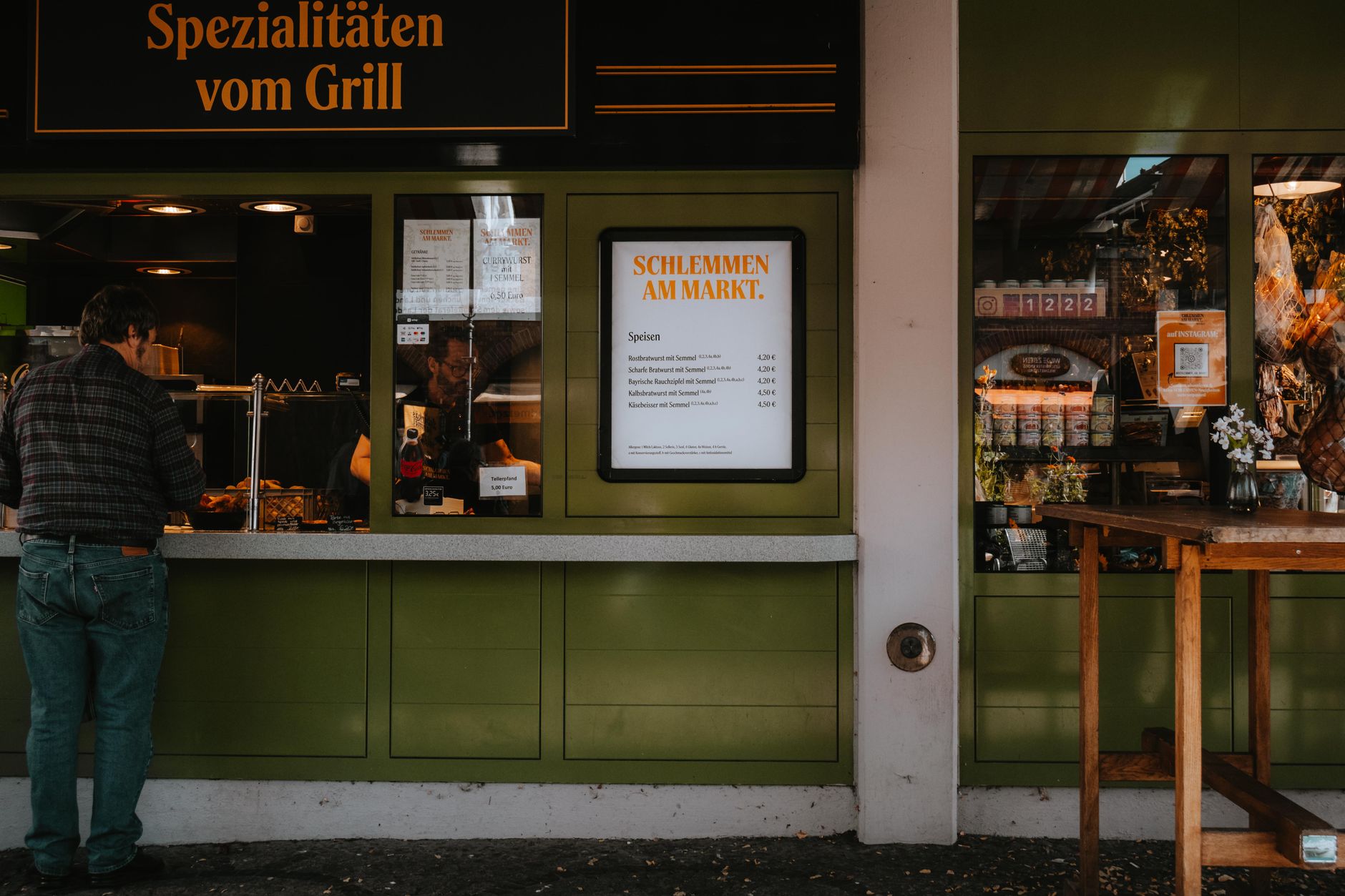
Eat skillet-fried Tiroler Gröstl with fried eggs, Speckknödel in rich beef broth, and sweet shredded Kaiserschmarrn dusted with sugar.
Mountain Hiking in St. Anton am Arlberg Tyrol Austria
Hike the high-altitude trails past the Verwallsee, traverse the Galzig ridges, or take the challenging Eagle Walk segment toward Lechtal.
Local History in St. Anton am Arlberg Tyrol Austria
Visit the Museum St. Anton am Arlberg inside a 1912 heritage villa to trace Hannes Schneider's ski innovations and the 1884 Arlberg railway tunnel.
Mountain Hut Dining in St. Anton am Arlberg Tyrol Austria
Hike or ski between rustic Alm huts like Sennhütte and Ulmer Hütte for smoked bacon platters, Kaspressknödel soup, and chilled Almdudler.
Cable Cars & Views in St. Anton am Arlberg Tyrol Austria
Ride the futuristic Galzigbahn ferris-wheel gondola up to 2,811 metres at the Valluga summit for panoramic views across five countries.
Via Ferrata in St. Anton am Arlberg Tyrol Austria
Clip into the demanding Arlberger Klettersteig, a three-kilometre ridge route near the Kapall offering exposed climbing across rugged dolomite rock.
Cheese & Dairies in St. Anton am Arlberg Tyrol Austria
Sample aged Bergkäse and fresh mountain butter made at alpine dairies in the Stanzer Valley, paired with crusty rye Vinschger Paarl bread.
Spirits & Distilleries in St. Anton am Arlberg Tyrol Austria
Sip local stone-pine Zirbenschnaps and clear fruit brandies distilled from Stanzer Zwetschke plums in copper stills along the valley.
Alpine Wellness in St. Anton am Arlberg Tyrol Austria
Soak tired muscles in the heated outdoor pools and Finnish saunas at the Arlberg WellCom complex right in the town centre.
Mountain Biking in St. Anton am Arlberg Tyrol Austria
Pedal thirty kilometres of gravel through the quiet Verwall Valley, with climbs up to the Konstanzer Hütte and rugged gravel singletracks.
Sacred Architecture in St. Anton am Arlberg Tyrol Austria
Step into the 17th-century parish church of St. Antonius to admire late-Baroque frescoes, intricate altars, and quiet alpine craftsmanship.