St Just.
.jpg)

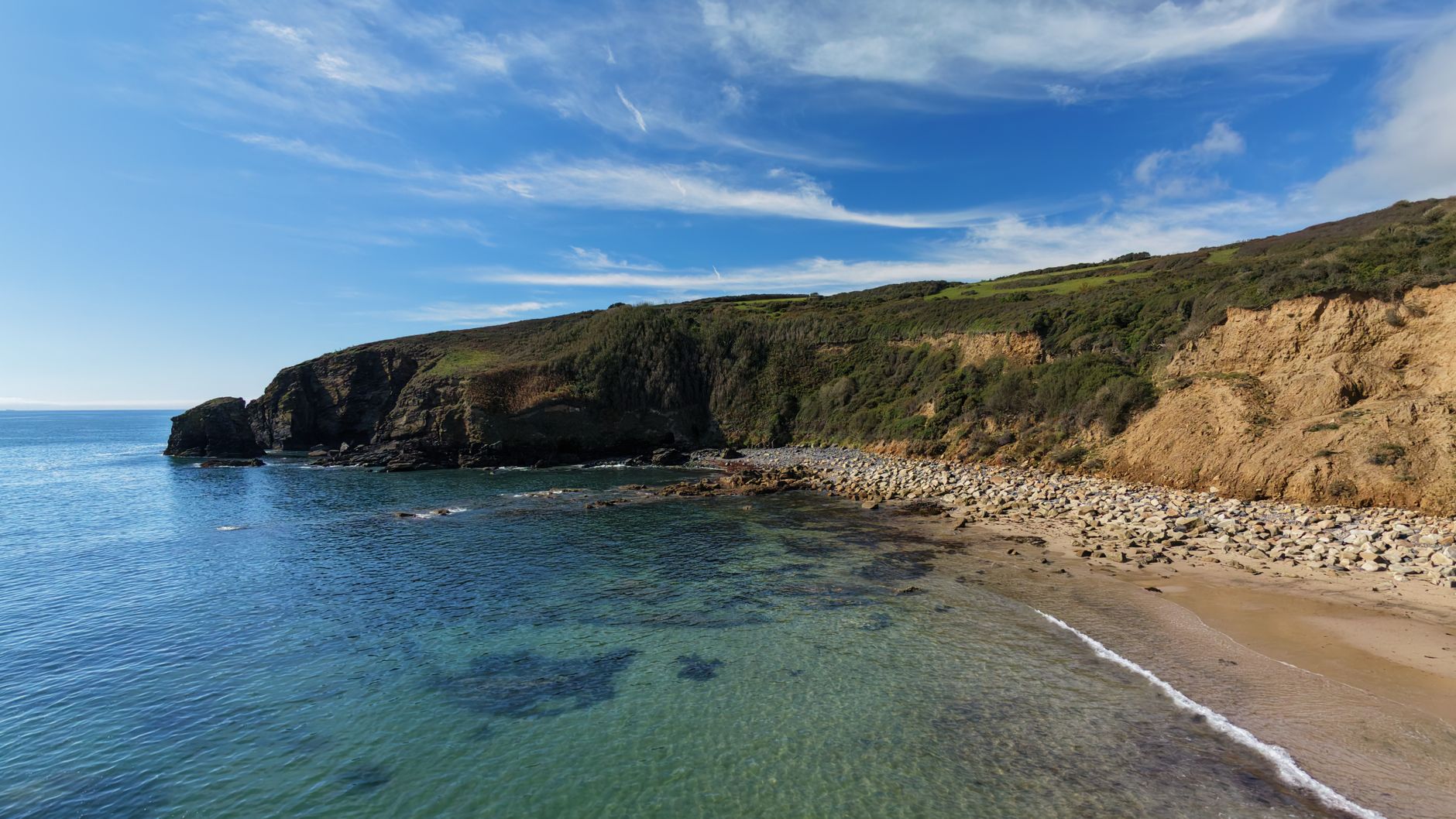
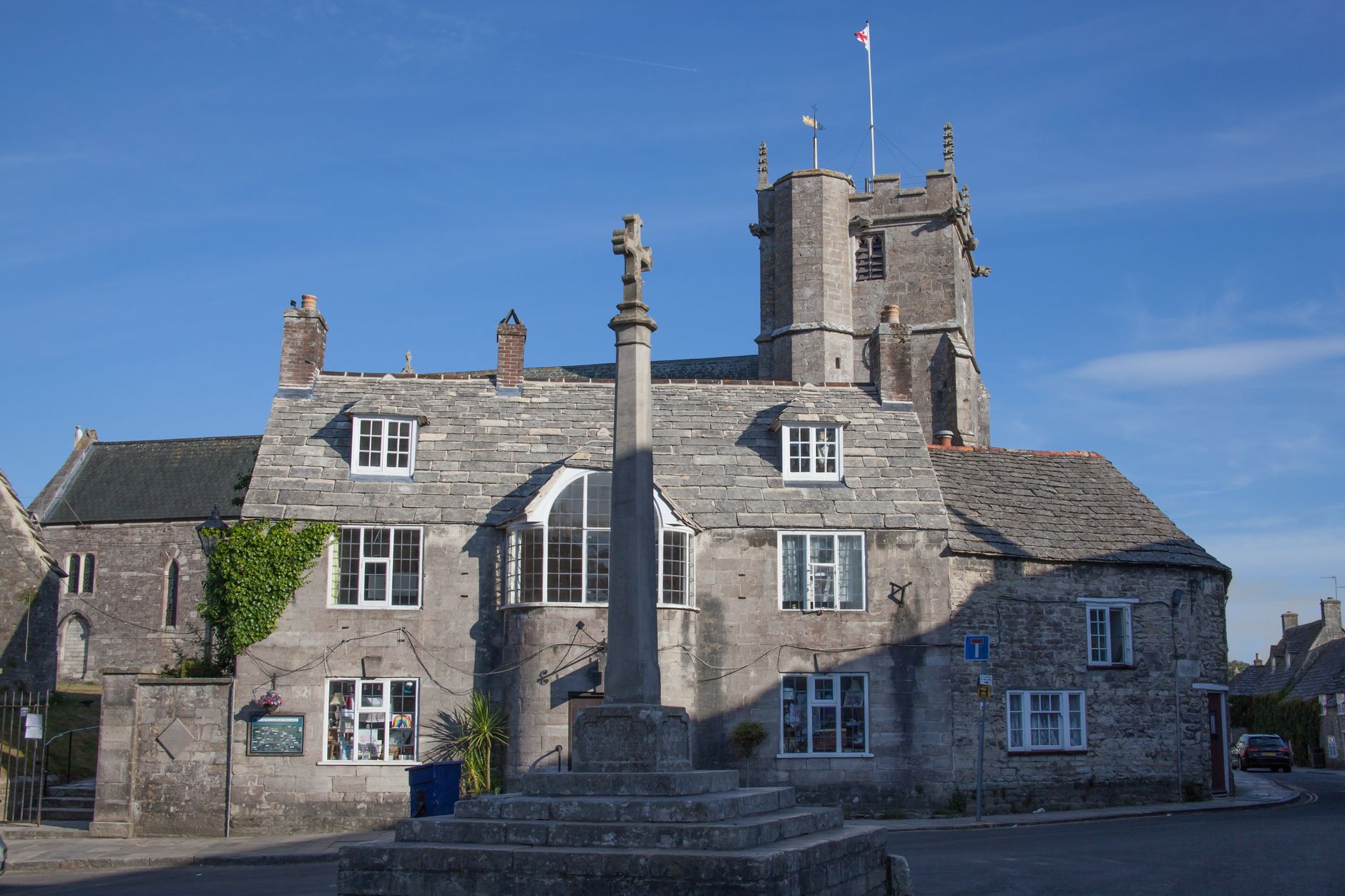
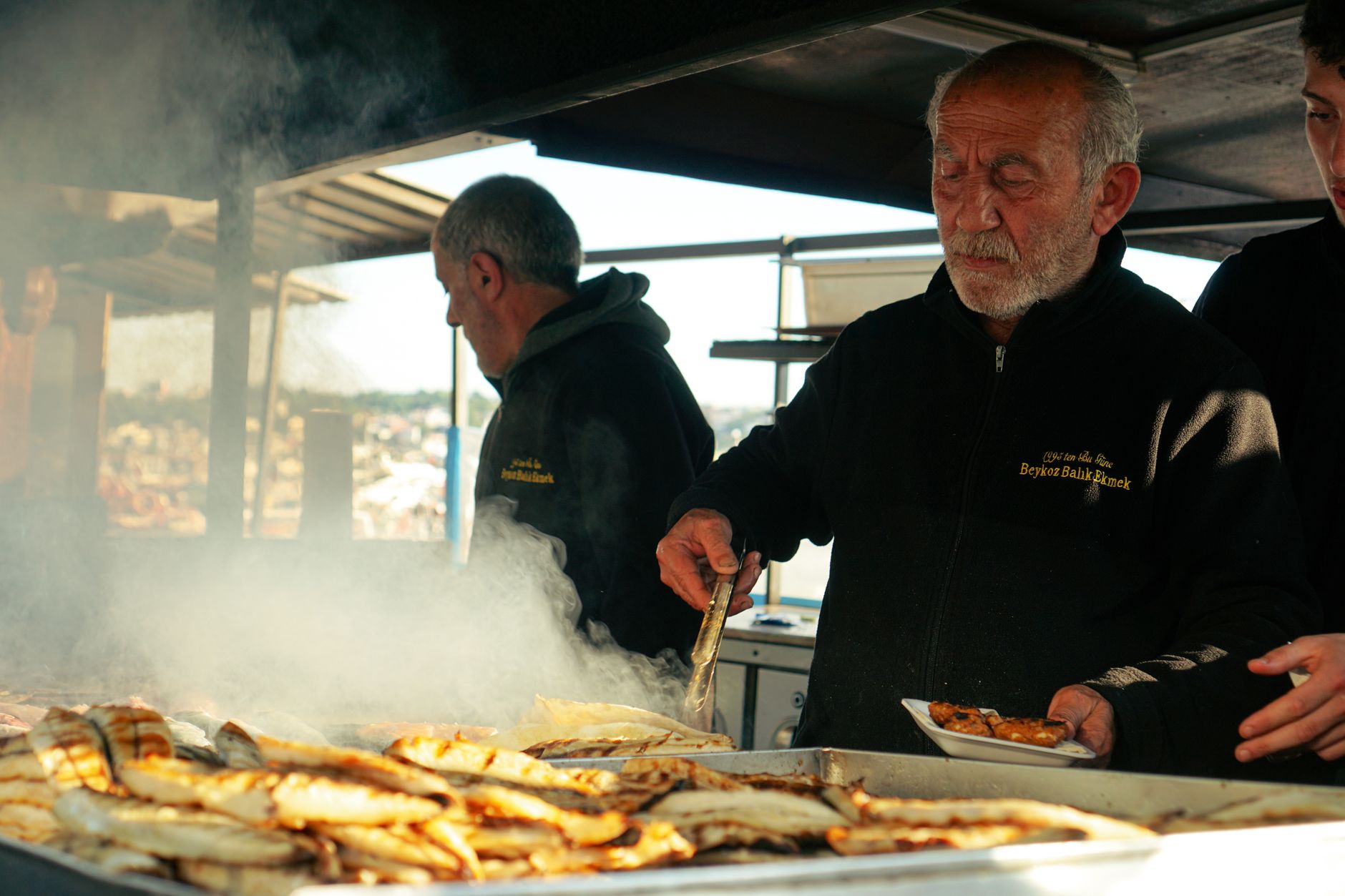
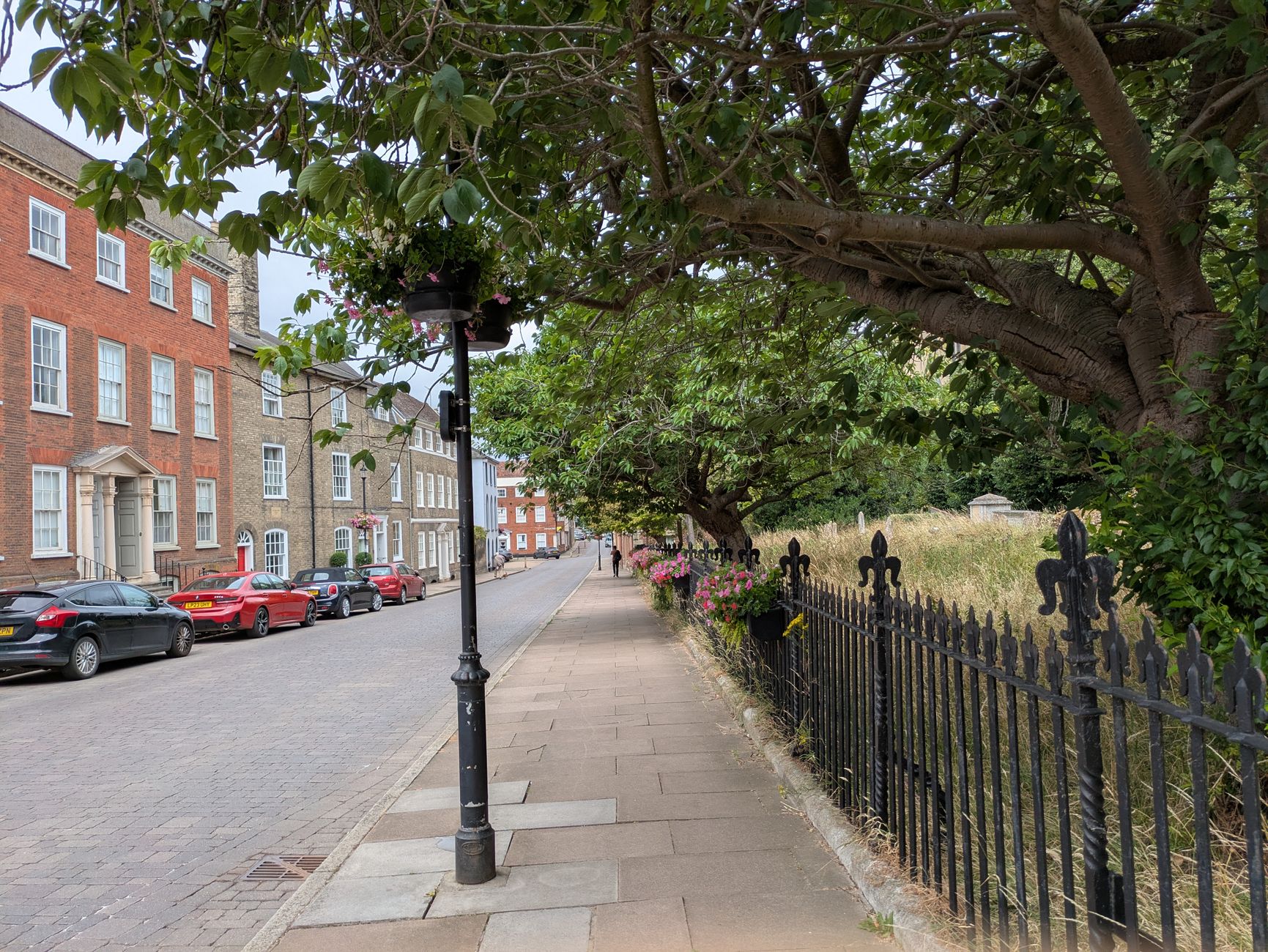
St Just sits eight miles west of Penzance, reached in twenty minutes by the Land's End Coaster bus or car along the A3071. It is Britain's westernmost town, shaped by deep tin mining history and exposed Atlantic granite. St Just is worth visiting if you want to walk rugged coastal paths between clifftop engine houses and eat honest pasties beside a roaring coal fire. Look elsewhere if you want sandy resort beaches, manicured seaside promenades, or late-night cocktail bars.
Last updated 7 Oct 2026
Build a St Just itinerary.
Choose up to 4 threads that pull you in. Your plan arrives organised around them.
The Bed
Where to stay in St Just
Which part of town to book, and what each one costs you in walking, noise or quiet.
The Comparison
St Just, or somewhere near it
The places you are realistically choosing between, and the honest case for each.
The Local Record
Where to read more about St Just
The blogs, boards, guides and operators worth bookmarking.
What to do in St Just Cornwall United Kingdom
Life in St Just centres on Market Square and the granite lanes fanning out toward the Atlantic cliffs. It is an unvarnished working town of stone cottages, independent butchers, and miners' pubs, lacking tourist polish in the best way. Days revolve around brisk coastal treks, pasties eaten from paper bags on stone benches, and pints by the fire. It suits walkers and independent travellers who prefer sea wind to deck chairs.
24 hours in St Just Cornwall United Kingdom
Start with a warm shortcrust pasty on Market Square, then take the mile walk down to Cape Cornwall to watch waves break on the Brisons rocks. In the afternoon, explore the mine buildings at Geevor. Finish with a pint and local stew at The Star Inn. Select 1 Day above to see it.
2 days in St Just Cornwall United Kingdom
Day two takes you south into Cot Valley, known locally as Dinosaur Egg beach for its rounded granite boulders at Porth Nanven. Climb the cliff path up to Ballowall Barrow, then drive five miles inland to Sancreed for quiet country pub dinners. Choose 2 Days to expand the plan.
3 days in St Just Cornwall United Kingdom
A third day allows an unhurried journey along the B3306 north to Zennor. Hike the granite moors around Chun Quoit, browse the Jackson Foundation gallery on North Row, and end the evening eating fresh crab from Newlyn at a harbour tavern down the coast.
St Just Cornwall United Kingdom itineraries by interest
Industrial Heritage in St Just Cornwall United Kingdom
Explore Geevor Tin Mine and the preserved beam engine at Levant, where nineteenth-century miners worked tin veins under the sea bed.
Coastal Walks in St Just Cornwall United Kingdom
Follow the South West Coast Path out to Cape Cornwall, passing the chimney stack of Heinz Monument and wildflower-covered headlands.
Local Baking in St Just Cornwall United Kingdom
Pick up hand-crimped steak pasties with peppery swede crusts from McFaddens or Warrens Bakery right on Market Square.
Ancient History in St Just Cornwall United Kingdom
Stand inside the Plain-an-Gwarry, an open-air medieval granite amphitheatre used since the fourteenth century for miracle plays.
Prehistoric Sites in St Just Cornwall United Kingdom
Walk out to Ballowall Barrow, a complex Bronze Age chambered tomb perched on the cliff edge above the Atlantic breakers.
Pub Culture in St Just Cornwall United Kingdom
Order a pint of Tribute or Proper Job at the Star Inn or Kings Arms, where low granite beams and wood fires keep out the sea fog.
Modern Art in St Just Cornwall United Kingdom
Browse working ceramicists and painters at the Jackson Foundation gallery, housed in a converted former industrial building on North Row.
Local Seafood in St Just Cornwall United Kingdom
Head down the steep lane to Cot Valley for spider crab, mackerel, and hand-dived scallops landed in nearby Newlyn harbour.
Wildlife Watching in St Just Cornwall United Kingdom
Spot red-billed choughs nesting on the sea cliffs and grey seals hauling out in the rocky coves near Porth Nanven.
Day Trips in St Just Cornwall United Kingdom
Ride the open-top Land's End Coaster bus along the B3306 coastal road to the fishing village of Zennor and St Ives.
Stargazing in St Just Cornwall United Kingdom
Step out on the Penwith moors around Carn Gloose at dusk to watch the Milky Way across West Cornwall's designated Dark Sky park.
Craft Traditions in St Just Cornwall United Kingdom
Visit copper craft workshops and local pottery studios scattered along Fore Street and Bank Square producing unglazed earthenware.