Stamford.


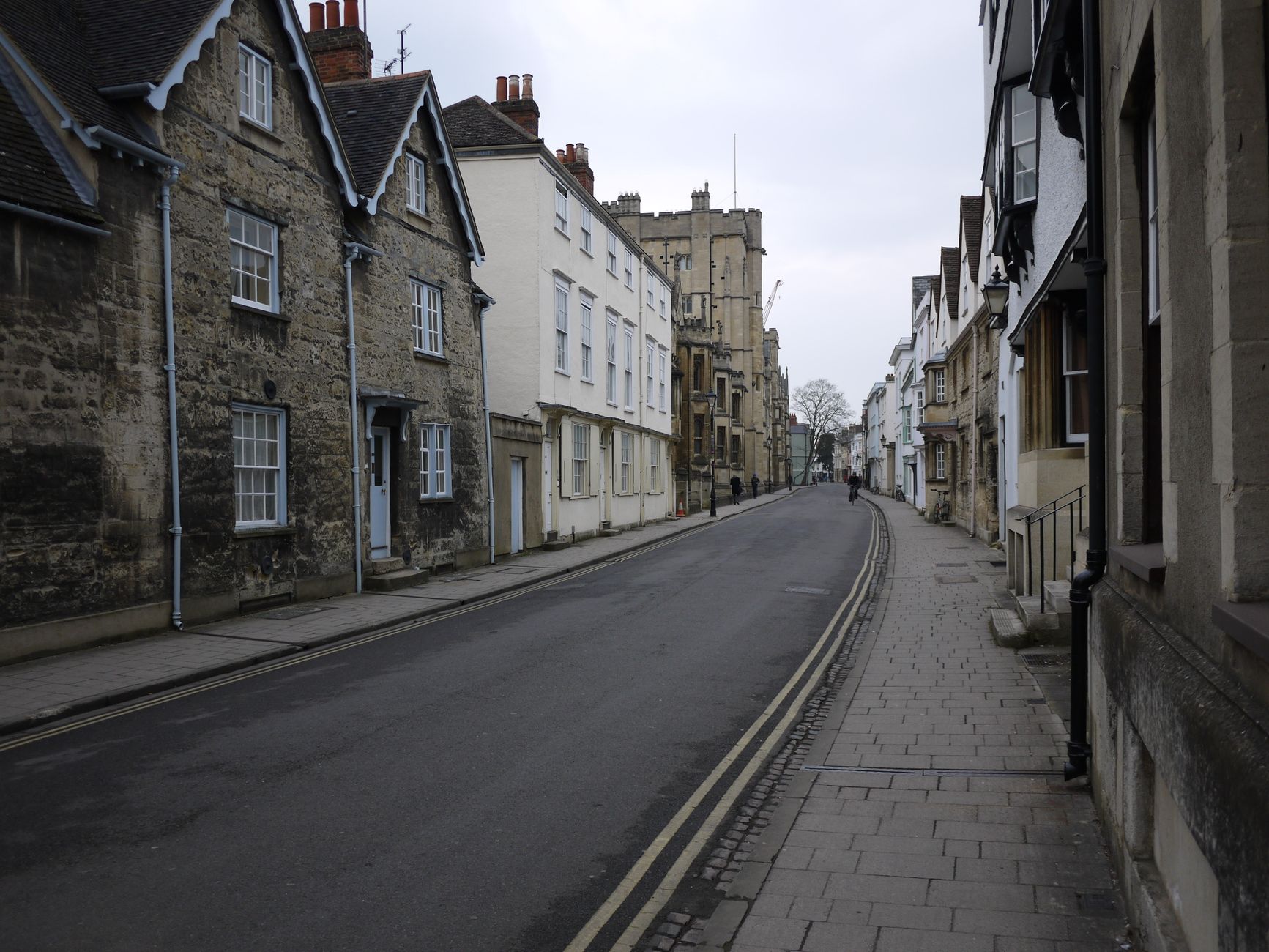
Stamford sits ninety miles north of London, reached in an hour and ten minutes by train via Peterborough. Built from honey-coloured Lincolnshire limestone, the town is renowned for its intact Georgian coaching streets and five medieval parish churches. Stamford is worth visiting if you want to walk seventeenth-century stone lanes, tour an Elizabethan prodigy house, and drink real ale beside an open fire. Look elsewhere if you want late-night clubbing, modernist galleries, or cheap coastal amusements.
Last updated 22 Nov 2026
Build a Stamford itinerary.
Choose up to 4 threads that pull you in. Your plan arrives organised around them.
The Bed
Where to stay in Stamford
Which part of town to book, and what each one costs you in walking, noise or quiet.
The Comparison
Stamford, or somewhere near it
The places you are realistically choosing between, and the honest case for each.
The Local Record
Where to read more about Stamford
The blogs, boards, guides and operators worth bookmarking.
What to do in Stamford Lincolnshire United Kingdom
Stamford unfolds on the north bank of the River Welland, its compact core of medieval alleys and Georgian townhouses built entirely from pale oolitic limestone. Days revolve around coffee on St Mary's Hill, quiet library visits, riverbank walks across the Meadows, and afternoons examining Elizabethan portraits. It suits independent walkers, architecture enthusiasts, and anyone who appreciates a civilized pint in an oak-panelled parlour.
24 hours in Stamford Lincolnshire United Kingdom
Start early at St Mary's Church to inspect the stonework before crossing the town bridge to High Street St Martin's. Have lunch at The George, spend the afternoon walking the three-mile circuit through Burghley Park, and finish with a pint of bitter on Broad Street. Select 1 Day above to see it.
2 days in Stamford Lincolnshire United Kingdom
Cross into the neighboring county of Rutland on day two. Walk the water reserve trail around Hambleton Peninsula, grab a game pie lunch at a village pub in Empingham, and return to Stamford to catch an evening show at the Arts Centre on St George's Square. Choose 2 Days to expand the plan.
3 days in Stamford Lincolnshire United Kingdom
Take the fifteen-minute drive west to the market town of Uppingham for antique browsing, or explore the ruins of Fotheringhay Castle along the Nene Valley. Back in town, spend a slow afternoon hunting through the bookshops on St Paul's Street.
Stamford Lincolnshire United Kingdom itineraries by interest
Sacred Architecture in Stamford Lincolnshire United Kingdom
Study the soaring 14th-century broach spire of St Mary's and the stained glass and brasses inside St Martin's and All Saints on Red Lion Square.
Historic Estates in Stamford Lincolnshire United Kingdom
Walk the deer park designed by Capability Brown and inspect the Heaven Room painted ceilings inside 16th-century Burghley House.
Pub Culture in Stamford Lincolnshire United Kingdom
Pull up a stool at the 16th-century George Hotel for pints of local bitter, or try traditional tavern ciders along St Mary's Hill.
Antique Shopping in Stamford Lincolnshire United Kingdom
Browse the multi-floor stalls of the Stamford Antique Centre on Red Lion Square for Georgian silver, maps, and mid-century oak furniture.
Walking Routes in Stamford Lincolnshire United Kingdom
Trace the River Welland past the Town Meadows or follow the green lanes of the Jurassic Way cutting west towards Rutland Water.
Regional Produce in Stamford Lincolnshire United Kingdom
Hit the Friday market on Broad Street for Lincolnshire plum bread, Haslet, Poacher cheese, and locally cured dry-cure back bacon.
Literary Heritage in Stamford Lincolnshire United Kingdom
Spot filming locations from Middlemarch along St George's Square, and browse independent fiction at Walkers Bookshops on High Street.
Craft Brewing in Stamford Lincolnshire United Kingdom
Taste small-batch ales produced across Rutland and Lincolnshire, including malty session bitters poured straight from cellar casks.
Medieval Ruins in Stamford Lincolnshire United Kingdom
Inspect the surviving 13th-century stone arch of St Leonard's Priory on the eastern edge of town and the Greyfriars monastic wall.
Local Baking in Stamford Lincolnshire United Kingdom
Order toasted tea cakes and buttered crumpets inside stone-walled tearooms on High Street St Martin's or St Paul's Street.
Theatre & Arts in Stamford Lincolnshire United Kingdom
Catch touring folk musicians, live comedy, and open-mic drama at the Stamford Arts Centre housed in the 18th-century Assembly Rooms.
Water Sports in Stamford Lincolnshire United Kingdom
Head five miles west to Rutland Water for sailing, windsurfing, flatwater kayak rentals, and trout fishing along the reservoir banks.