Stone Town.


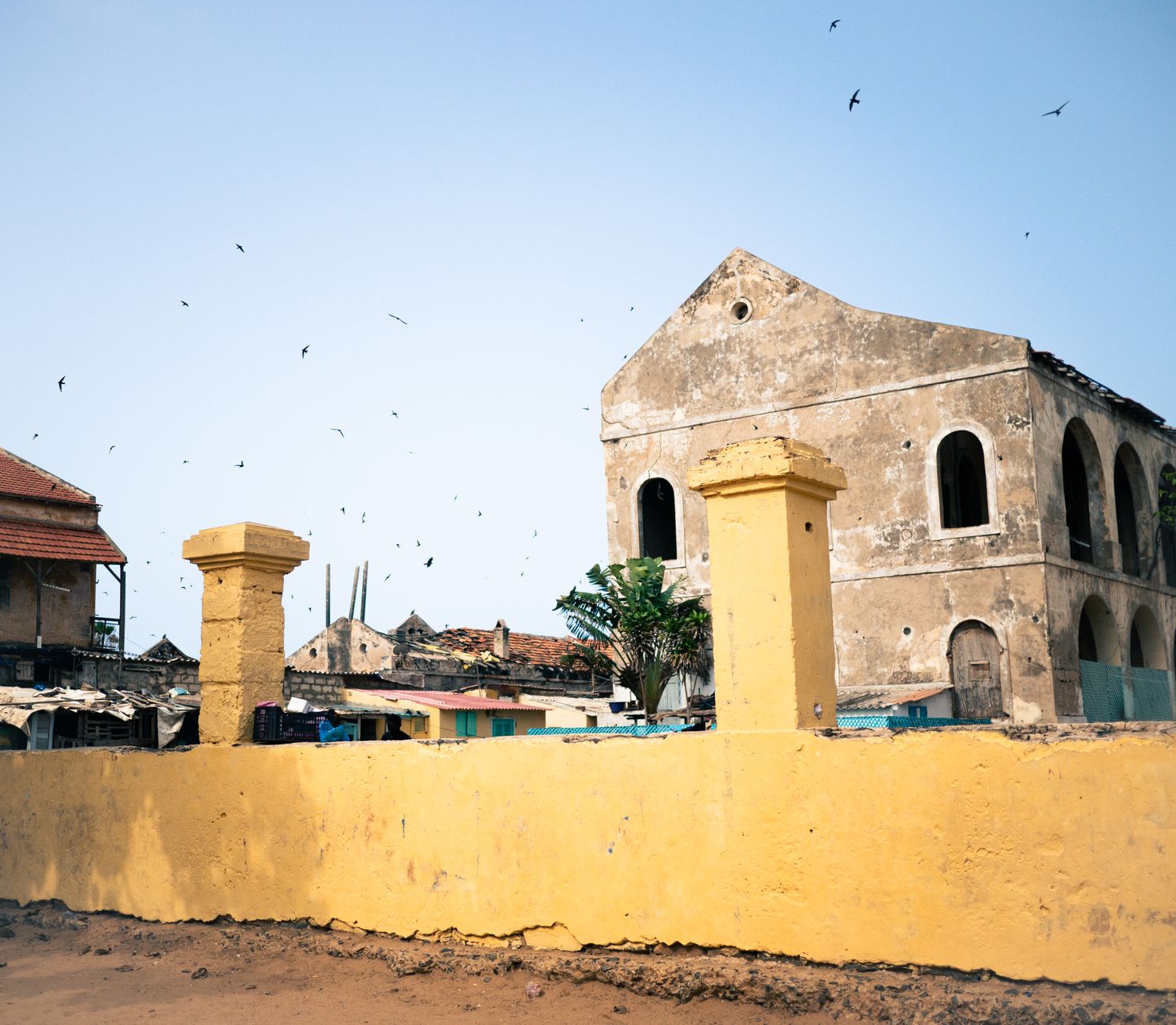
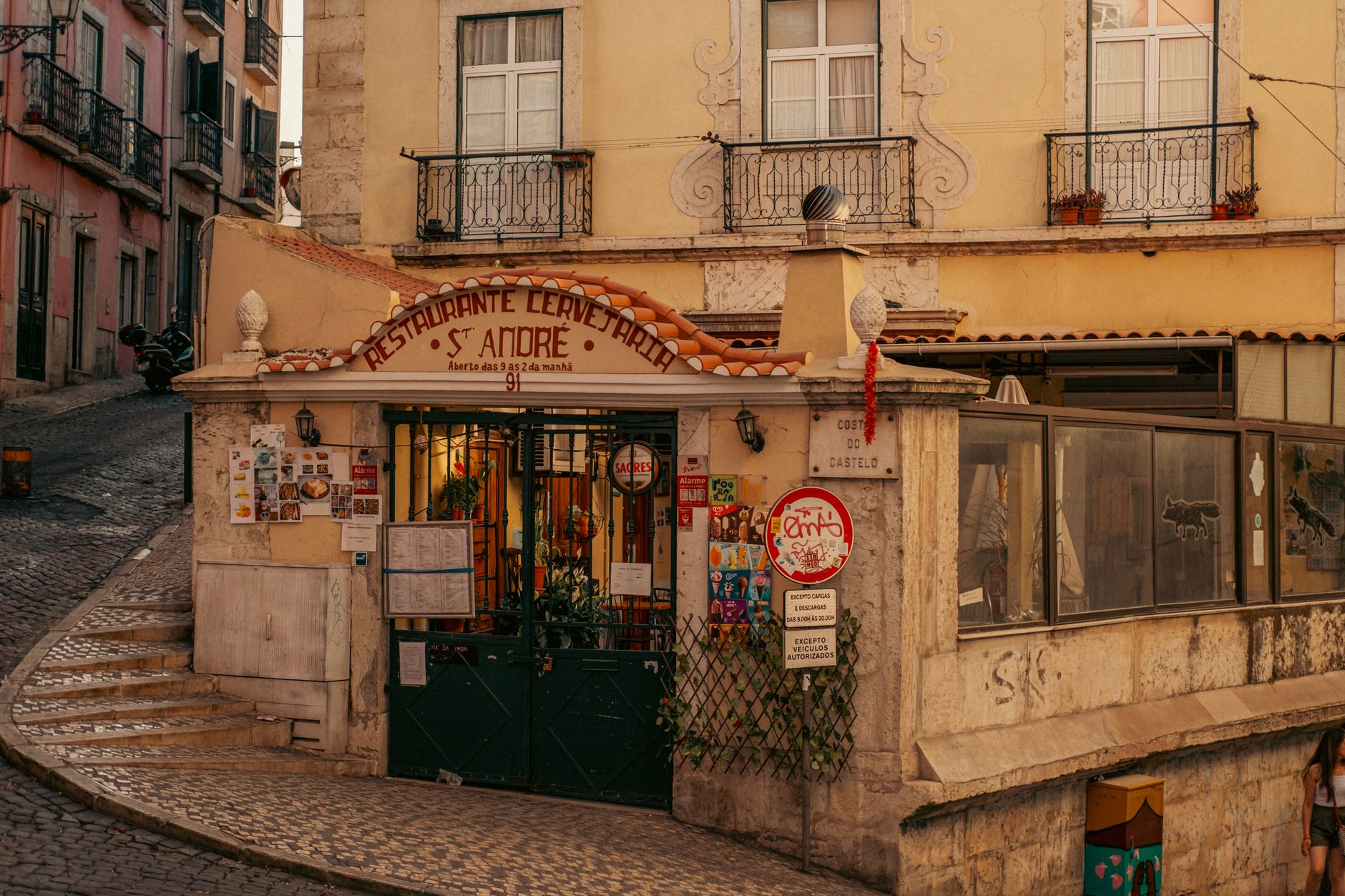

Footsteps echo off coral-rag limestone before dawn as call to prayer rolls across the Indian Ocean. The alleys of this old Swahili trade port twist so narrowly that two carts cannot pass without negotiation. Carved teak doors studded with brass sit beside crumbling balconies, while men play bao on stone benches in the shade. The damp heat slows your stride, which is entirely the point. Stone Town is worth visiting if you want to lose your bearings in centuries of Indian Ocean trade history and eat fresh squid grilled over charcoal at the water's edge. Look elsewhere if you want broad swimming beaches at your doorstep, polished resort comforts, slick nightlife, or quiet streets free of motorbikes and persistent touts.
Last updated 7 Sept 2026
Build a Stone Town itinerary.
Choose up to 4 threads that pull you in. Your plan arrives organised around them.
The Bed
Where to stay in Stone Town
Which part of town to book, and what each one costs you in walking, noise or quiet.
The Comparison
Stone Town, or somewhere near it
The places you are realistically choosing between, and the honest case for each.
The Local Record
Where to read more about Stone Town
The blogs, boards, guides and operators worth bookmarking.
What to do in Stone Town Unguja Urban/West Tanzania
Stone Town is an intricate labyrinth of coral-stone alleys flanked by Omani mansions, Persian baths, and Indian merchant houses on Zanzibar's west coast. Days here revolve around the tide, the shade of narrow passages, and the mid-morning call to prayer. It rewards curious walkers who prefer straying off maps, lingering over street-corner coffee, and absorbing the complex, layered history of East African coastal trade without a rigid timetable.
24 hours in Stone Town Unguja Urban/West Tanzania
Start at Darajani Market at 8:00 AM before the fish auction winds down, then tour the Old Slave Market site. Wander the maze of Hurumzi and Shangani on foot, breaking for octopus curry at Lukmaan Restaurant. At sunset, head to Forodhani Gardens on the waterfront to eat savoury Zanzibari pizza and grilled lobster skewers cooked over hot charcoal. Select 1 Day above to see it.
2 days in Stone Town Unguja Urban/West Tanzania
A second day lets you explore the quiet residential quarter of Vuga, where laundry dries across alleyways and kids play football against coral walls. Take a short boat ride across the channel to Prison Island to see the giant tortoises, then return for an evening Taarab music performance and ginger tea on an open rooftop looking out across the harbour. Choose 2 Days to expand the plan.
3 days in Stone Town Unguja Urban/West Tanzania
Three days unlocks a morning trip north to the spice plantations of Kizimbani to taste raw cloves and nutmeg at the source. Spend your final afternoon tracking carved doors through the alleyways around Kiponda, ending with fresh passion fruit juice and spiced pilau rice at a shaded courtyard table away from the tourist thoroughfares.
Stone Town Unguja Urban/West Tanzania itineraries by interest
Street Food in Stone Town Unguja Urban/West Tanzania
Watch cooks at Forodhani Gardens fry Zanzibar pizzas on flat tops, press raw sugarcane with ginger, and grill skewered kingfish over open coals.
Historic Architecture in Stone Town Unguja Urban/West Tanzania
Inspect 19th-century carved Swahili and Omani wooden doors along Hurumzi Street, the towering House of Wonders, and the Old Fort's coral-rag ramparts.
Markets & Produce in Stone Town Unguja Urban/West Tanzania
Navigate Darajani Market in the early morning for fresh yellowfin tuna, heaps of cloves and nutmeg, cardamom pods, and small mountain piles of jackfruit.
Sacred Architecture in Stone Town Unguja Urban/West Tanzania
Visit the 1870s Anglican Cathedral built over the former whipping post of the slave market, and pass neighbourhood mosques with carved coral mihrabs.
Maritime History in Stone Town Unguja Urban/West Tanzania
Observe boatwrights caulking wooden dhow hulls along Malindi port and study centuries of Indian Ocean monsoon trade routes at the Beit al-Amani museum.
Craft Traditions in Stone Town Unguja Urban/West Tanzania
Seek out workshops near Shangani where woodcarvers chisel floral lintels, tailors sew kanga cloth, and artisans weave coconut fiber into floor mats.
Local Seafood in Stone Town Unguja Urban/West Tanzania
Eat tender octopus simmered in coconut curry (mchuzi wa pweza), grilled spiny lobster, and fried sailfish with cassava at unassuming backstreet canteens.
Coffee Culture in Stone Town Unguja Urban/West Tanzania
Drink bitter, cardamom-infused Swahili black coffee (kahawa) poured from traditional conical brass pots, paired with sweet peanut brittle (kashata).
Island Day Trips in Stone Town Unguja Urban/West Tanzania
Board a motorized wooden skiff from the beach to Prison Island to observe giant Aldabra tortoises and snorkel the surrounding shallow coral reef.
Agricultural Heritage in Stone Town Unguja Urban/West Tanzania
Tour smallholder spice farms in Kizimbani to crush fresh cinnamon bark, scrape raw vanilla beans, and harvest green peppercorns straight from the vine.
Coastal Walks in Stone Town Unguja Urban/West Tanzania
Stroll Shangani beach at low tide when dhows tilt in the sand, then follow the seawall promenade past the Sultan's Palace as the afternoon cools.
Nightlife in Stone Town Unguja Urban/West Tanzania
Hear acoustic Taarab orchestra melodies over spiced rum drinks on rooftop terraces above Hurumzi, overlooking the tiled roofs and the dark sea.