Stone Town.


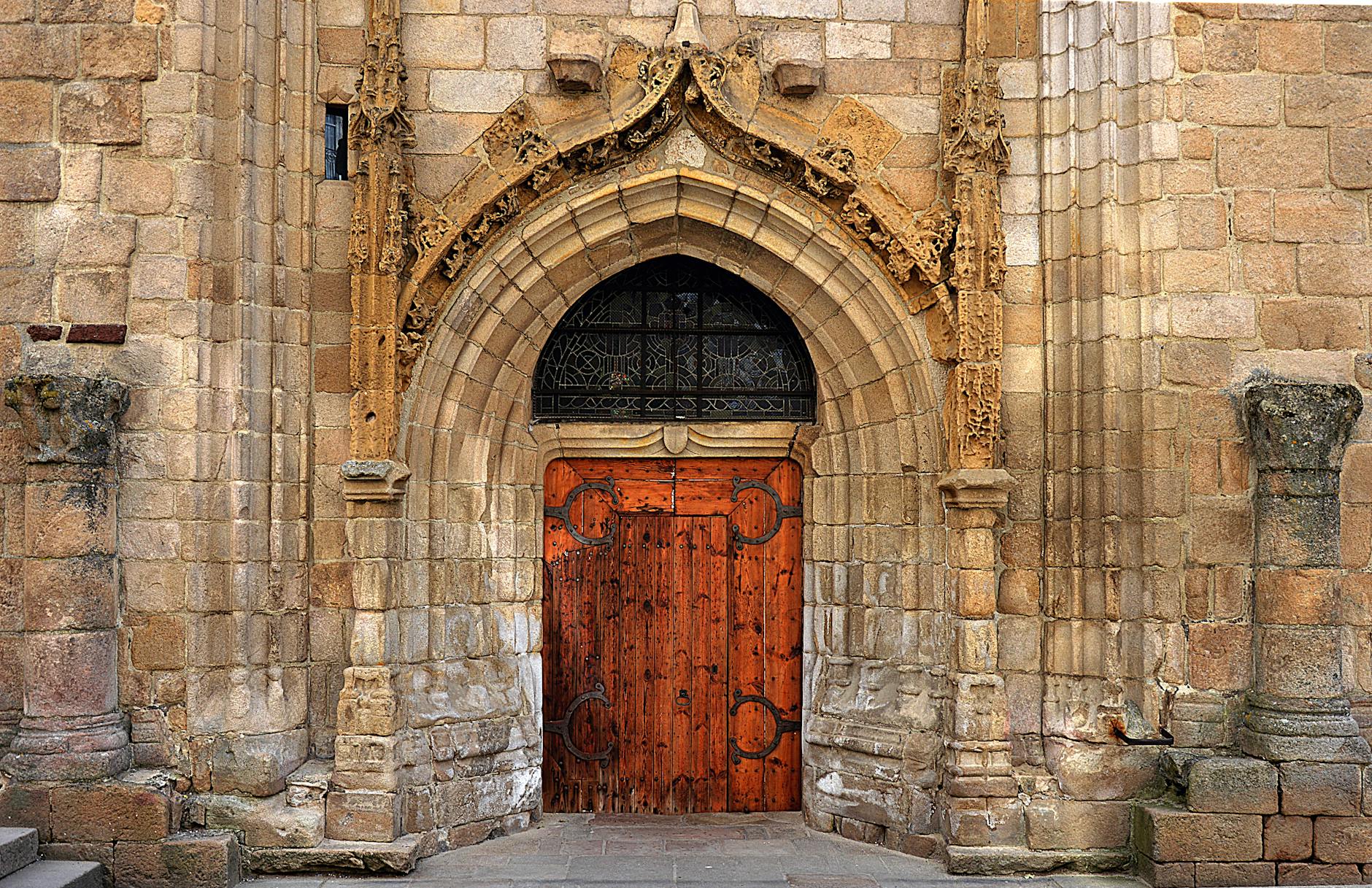



Stone Town sits twenty minutes north of Zanzibar's international airport and a ninety-minute ferry ride from Dar es Salaam across the Zanzibar Channel. The old quarter is known for its nineteenth-century coral rag architecture, carved wooden doors, and layered Omani-Swahili spice heritage. Stone Town is worth visiting if you want to navigate centuries-old alleyways on foot and eat grilled squid by the harbor at dusk. Look elsewhere if you want quiet resort beachfronts, manicured resort grounds, or late-night clubbing.
Last updated 31 Oct 2026
Build a Stone Town itinerary.
Choose up to 4 threads that pull you in. Your plan arrives organised around them.
The Bed
Where to stay in Stone Town
Which part of town to book, and what each one costs you in walking, noise or quiet.
The Comparison
Stone Town, or somewhere near it
The places you are realistically choosing between, and the honest case for each.
The Local Record
Where to read more about Stone Town
The blogs, boards, guides and operators worth bookmarking.
What to do in Stone Town Zanzibar Urban/West Tanzania
Stone Town is an intricate labyrinth of coral rag houses, shaded alleys, and sunlit squares set directly against the Indian Ocean. Days orbit around the morning bustle of Darajani Market, quiet afternoon walks through the maze of Shangani, and communal dinners along the water at Forodhani Gardens. It suits independent walkers, historians, and patient eaters who enjoy getting comfortably lost between towering walls.
24 hours in Stone Town Zanzibar Urban/West Tanzania
Spend the morning exploring the Anglican Cathedral and the spice stalls of Darajani. Have a lunch of pilau rice and beef stew near Jaws Corner, then wander the narrow corridors of Kiponda. By five in the afternoon, walk to the seafront to watch the dhows return before eating grilled octopus at Forodhani Gardens. Select 1 Day above to see it.
2 days in Stone Town Zanzibar Urban/West Tanzania
A second day lets you explore the quiet residential lanes of Vuga and the Persian baths at Kidichi just outside town. Take an afternoon ferry over to Changuu Island for snorkeling, then return for a proper Swahili dinner of coconut fish curry and spiced bread on an open rooftop near Hurumzi Street. Choose 2 Days to expand the plan.
3 days in Stone Town Zanzibar Urban/West Tanzania
With three days, head north into the plantations of Kizimbani to learn how cloves, vanilla, and nutmeg are farmed and harvested. Spend your final afternoon sitting with a metal cup of ginger coffee at Jaws Corner, watching the town's chess games unfold at their own unhurried pace.
Stone Town Zanzibar Urban/West Tanzania itineraries by interest
Street Food in Stone Town Zanzibar Urban/West Tanzania
At Forodhani Gardens, vendors grill mishkaki skewers, octopus tentacles, and hot Zanzibar pizza filled with minced beef, egg, and cream cheese.
Local Seafood in Stone Town Zanzibar Urban/West Tanzania
Try kingfish cooked in fresh coconut milk, spiced calamari, and grilled lobster caught daily by local dhow crews and sold at the Darajani stalls.
Markets & Produce in Stone Town Zanzibar Urban/West Tanzania
Darajani Market sells whole cloves, nutmeg pods, cardamom seeds, fresh jackfruit, and sea salt stacked in woven baskets beneath tin roofing.
Sacred Architecture in Stone Town Zanzibar Urban/West Tanzania
Visit the 1870s Anglican Cathedral over the old slave holding pens and the Malindi Mosque with its distinctive conical minaret built in 1831.
Craft Traditions in Stone Town Zanzibar Urban/West Tanzania
Carpenters along Hurumzi Street hand-carve solid teak Swahili and Omani doors with brass studs, pineapple motifs, and Islamic script borders.
Maritime History in Stone Town Zanzibar Urban/West Tanzania
Watch wooden dhows unload cargo at the old dhow port and explore the 1883 House of Wonders with its high verandas overlooking the channel.
Historic Fortifications in Stone Town Zanzibar Urban/West Tanzania
The 17th-century Old Fort hosts open-air stone courtyards, local musicians, and defensive coral-rag walls built by Omani Arabs against Portugal.
Coffee & Tea Culture in Stone Town Zanzibar Urban/West Tanzania
Order black spiced Kahwa brewed with ginger, cinnamon, and cardamom poured from brass kettles at Jaws Corner as elder residents play bao.
Coastal Walks in Stone Town Zanzibar Urban/West Tanzania
Walk the stone seafront wall from Shangani point past the Serena Hotel to the harbor at sunset as local boys somersault into the turquoise tide.
Music & Performance in Stone Town Zanzibar Urban/West Tanzania
Listen to live Taarab orchestras at Dhow Countries Music Academy, where Arabic ouds and violins blend with traditional Swahili rhythms.
Island Excursions in Stone Town Zanzibar Urban/West Tanzania
Take a twenty-minute wooden boat from the beach to Prison Island to see Aldabra giant tortoises and snorkel along the shallow coral reef.
Spice Agriculture in Stone Town Zanzibar Urban/West Tanzania
Farms just north in Kizimbani offer walking tours to scratch, smell, and taste fresh cinnamon bark, lemongrass, vanilla vines, and turmeric root.