Taos.


The Sangre de Cristo range drops seven thousand feet straight onto a dusty plateau of earth and chamisa, where piñon smoke drifts over thick mud walls that have stood since the fourteenth century. You will argue about navigation along Kit Carson Road, but the square mile of the central plaza remains easy to walk. Mornings begin cold and dry before the sun cuts across the baked mud of the multistory pueblo. Taos is worth visiting if you want high-altitude adobe architecture, fierce green chile, and centuries of unyielding Native and Hispanic craft traditions. Look elsewhere if you want late-night dining, bustling nightlife, polished luxury resorts, or the ability to explore beyond the small central plaza without a car.
Last updated 2 Sept 2026
Build a Taos itinerary.
Choose up to 4 threads that pull you in. Your plan arrives organised around them.
The Bed
Where to stay in Taos
Which part of town to book, and what each one costs you in walking, noise or quiet.
The Comparison
Taos, or somewhere near it
The places you are realistically choosing between, and the honest case for each.
The Local Record
Where to read more about Taos
The blogs, boards, guides and operators worth bookmarking.
What to do in Taos The Southwest United States
Taos sits on a high mesa where the southern Rockies end, shaped by Taos Pueblo to the north, the art-heavy downtown around Ledoux Street, and the agricultural valley of Ranchos to the south. Days naturally balance quiet gallery visits, unhurried plates of red and green chile, and excursions into the sagebrush plateau. It suits travellers who prefer walkable historical precincts, dramatic mountain light, and distinct regional culture over fast-paced resort towns.
24 hours in Taos The Southwest United States
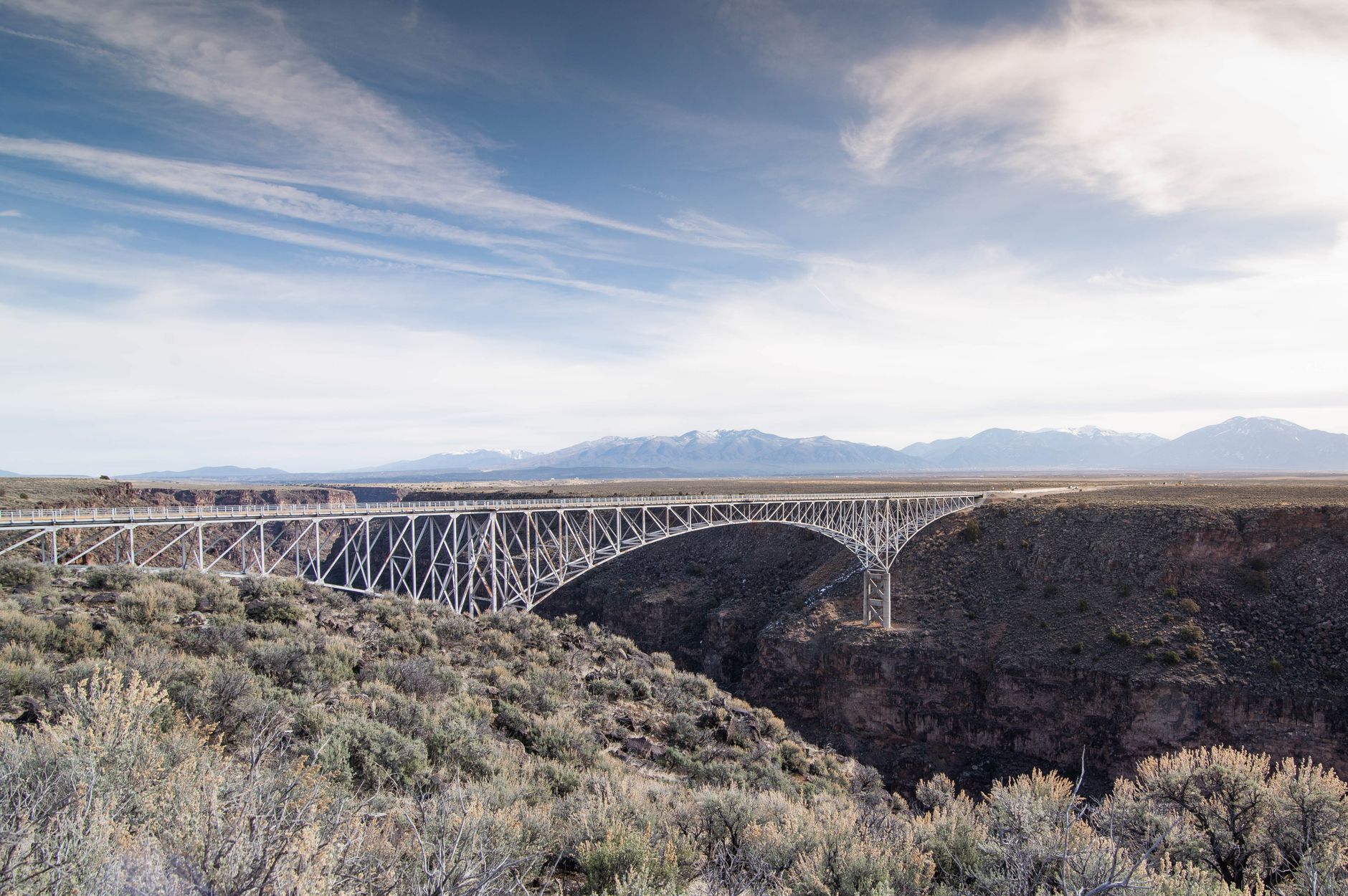
Spend morning hours walking the dirt pathways of Taos Pueblo before crowds thicken, noting the adobe hornos. Lunch on blue corn enchiladas on Bent Street, then explore the Mabel Dodge Luhan House. Drive twelve miles northwest at sunset to look down into the Rio Grande Gorge before dinner in town. Select 1 Day above to see it.
2 days in Taos The Southwest United States
Devote the second morning to the Harwood Museum on historic Ledoux Street, then drive four miles south to Ranchos de Taos to see the buttressed rear walls of San Francisco de Asís. Eat slow-simmered posole and fresh tamales at a roadside diner, followed by a quiet afternoon walk in Arroyo Seco. Choose 2 Days to expand the plan.
3 days in Taos The Southwest United States
A third day allows you to drive the High Road through mountain hamlets like Truchas and Las Trampas, browsing traditional woodcarvers and weavers without glancing at your watch. Alternatively, hike the trail to Williams Lake in the alpine shadow of Wheeler Peak before a calm evening back on the Plaza.
Taos The Southwest United States itineraries by interest
Sacred Architecture in Taos The Southwest United States
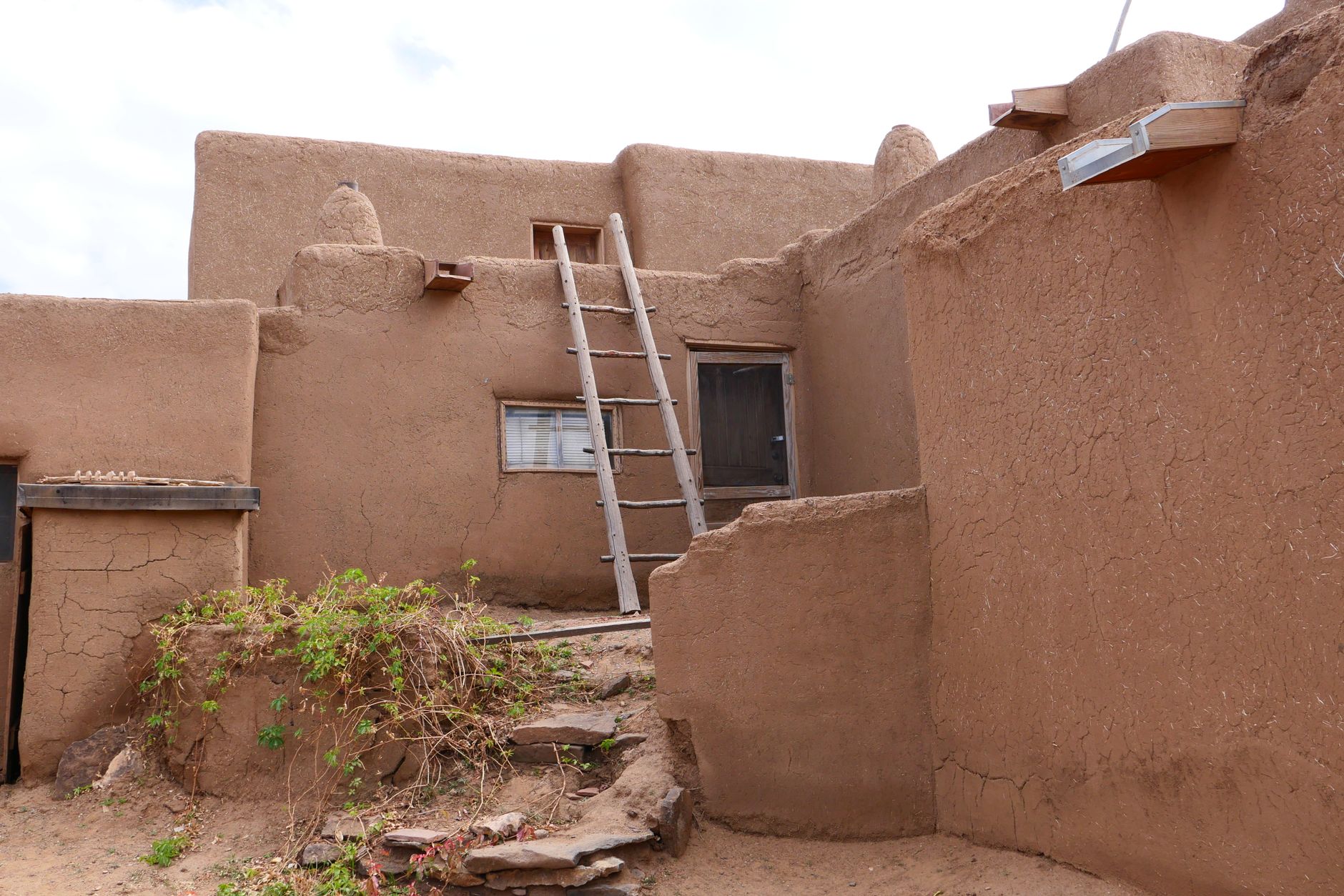
San Francisco de Asís in Ranchos de Taos and the multi-tiered adobe dwellings at Taos Pueblo, maintained with annual mud plastering.
Regional Cooking in Taos The Southwest United States
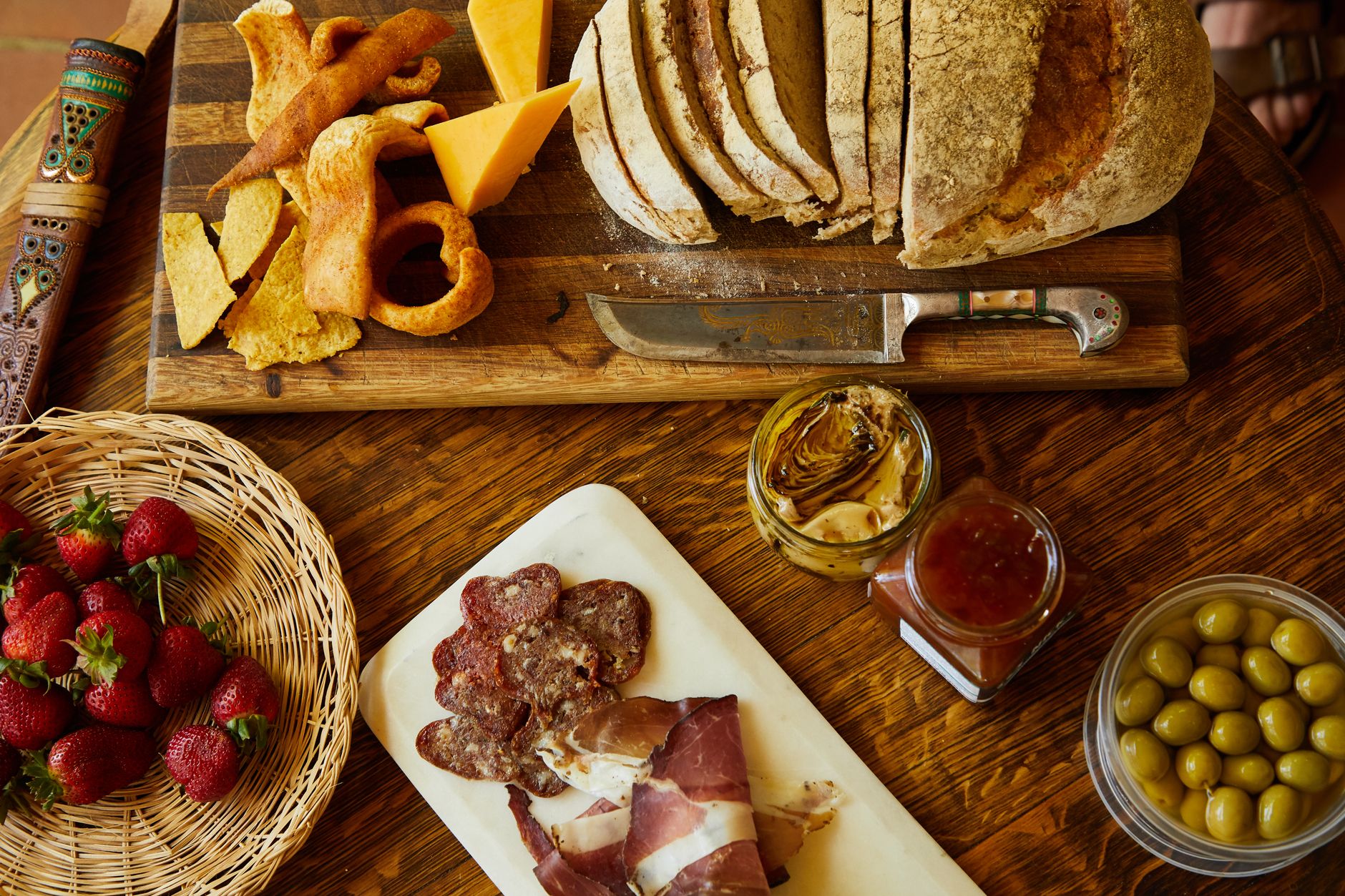
Carne adovada slow-braised in red chile pods, blue corn enchiladas, and hot sopapillas served with local clover honey on Bent Street.
Modern Art in Taos The Southwest United States
The Harwood Museum of Art showcases the Taos Society of Artists alongside Agnes Martin paintings in a dedicated, light-filled gallery.
Mountain Hiking in Taos The Southwest United States
Trek the switchbacks up Wheeler Peak or take the gentler Williams Lake trail through alpine spruce and boulder fields in the high valley.
Craft Traditions in Taos The Southwest United States
Micaceous clay pottery from local artisans, Rio Grande wool weavings in nearby Chimayó, and hand-tooled leather shops around the Plaza.
Scenic Drives in Taos The Southwest United States
The 84-mile High Road from Santa Fe winds past Truchas and Las Trampas, crossing high pinon ridges and mountain villages built of stone.
Historic Homes in Taos The Southwest United States
Tour the thick-walled 19th-century hacienda of Mabel Dodge Luhan and the hand-hewn vigas of the historic Blumenschein Home downtown.
River Canyons in Taos The Southwest United States
Walk the cantilevered sidewalk of the Rio Grande Gorge Bridge, suspended 650 feet above the basalt canyon and rushing river rapids.
Indigenous Heritage in Taos The Southwest United States
Tiwa-speaking residents have inhabited Taos Pueblo continuously for over a millennium, baking hornos bread without running water or grid power.
Winter Sports in Taos The Southwest United States
Taos Ski Valley offers steep chutes like Kachina Peak alongside tree-lined glades thirty minutes north of town via NM-150.
Bakeries & Cafes in Taos The Southwest United States
Grab hot cinnamon rolls at Michael's Kitchen or sip dark piñon roast coffee at roadside counters on Paseo del Pueblo Norte.
Public Squares in Taos The Southwest United States
Taos Plaza forms the central anchor, where wooden benches sit under cottonwood trees bordered by old trading posts and shaded portales.