Tartu.


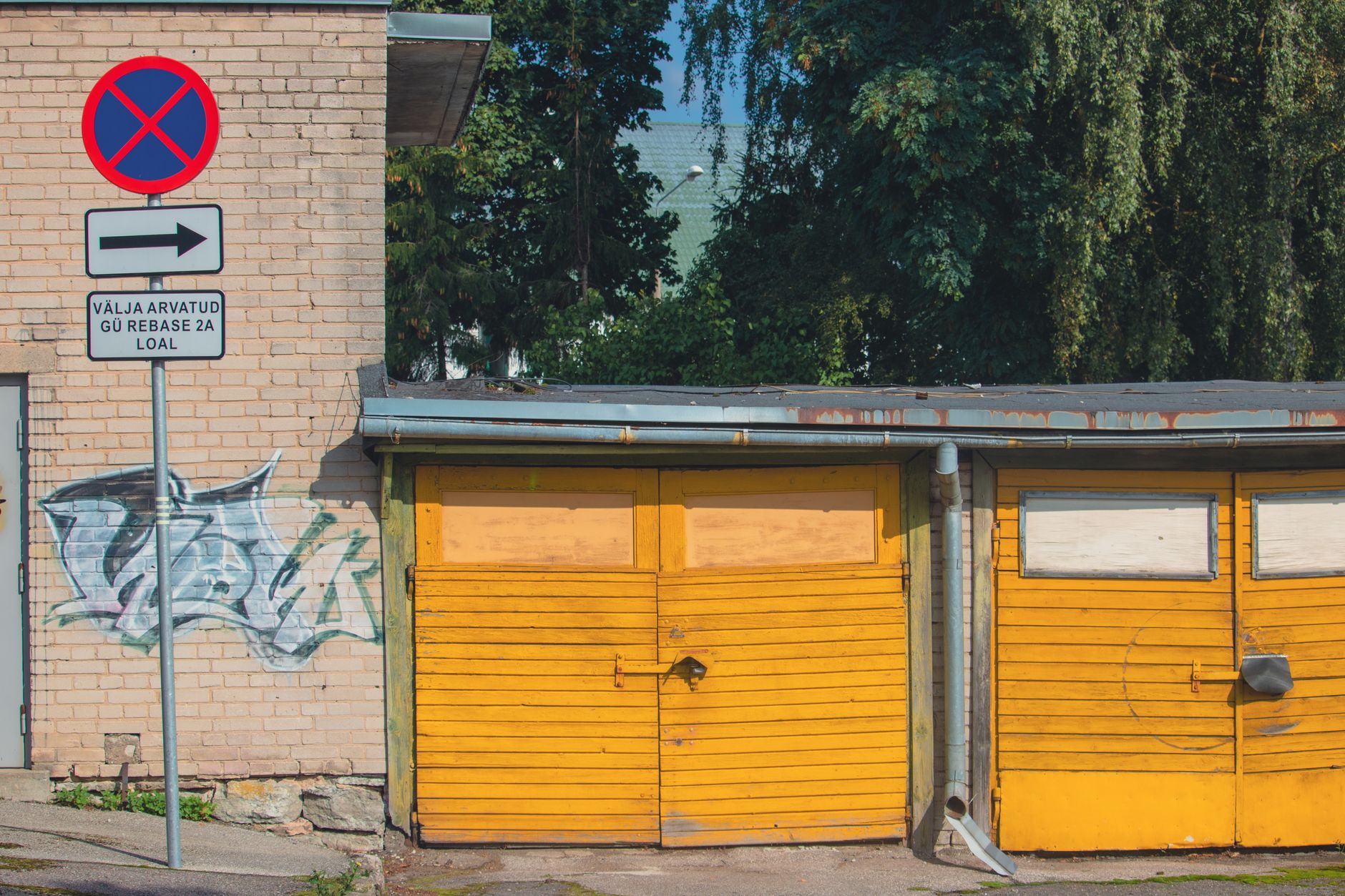
The Emajõgi river cuts through the town with slow, dark water, flanked by rowers and students pedalling across arched bridges. Up on Toome Hill, the red-brick cathedral ruins stand open to the sky, surviving as a monument to northern scholarship since 1632. Down below, neoclassical façades around Raekoja plats give way to wooden neighbourhoods smelling faintly of birch fire. The town moves at an unhurried, bookish pace. Tartu is worth visiting if you want university-town intellectual grit paired with quiet timber streetscapes and unpretentious cider houses. Look elsewhere if you want late-night clubbing, luxury shopping, coastal beaches, or the fast pace of a major capital.
Last updated 2 Sept 2026
Build a Tartu itinerary.
Choose up to 4 threads that pull you in. Your plan arrives organised around them.
The Bed
Where to stay in Tartu
Which part of town to book, and what each one costs you in walking, noise or quiet.
The Comparison
Tartu, or somewhere near it
The places you are realistically choosing between, and the honest case for each.
The Local Record
Where to read more about Tartu
The blogs, boards, guides and operators worth bookmarking.
What to do in Tartu Southern Estonia Estonia
Tartu is structured around the river Emajõgi and Toome Hill, making it an effortlessly walkable base where days divide between neoclassical university squares and bohemian wooden suburbs. Life here moves around library reading rooms, riverside beer benches, and the massive Estonian National Museum out on the old airfield. It rewards travellers who prefer reading a paperback over lunch to ticking off grand monuments.
24 hours in Tartu Southern Estonia Estonia
Start with coffee and warm curd pastry at Werner before climbing Toome Hill to the cathedral ruins. Cross the river to the Estonian National Museum on Muuseumi tee for an afternoon of Finno-Ugric history. Finish with smoked whitefish and craft cider in the Karlova quarter, walking distance from the centre. Select 1 Day above to see it.
2 days in Tartu Southern Estonia Estonia
Use your second day to wander the clapboard lanes of Supilinn, noting the garden plots along Marja and Herne streets. Head to Aparaaditehas on Kastani for lunch in a converted widget factory, then inspect the leaning art museum on Raekoja plats before an evening sauna along the Emajõgi. Choose 2 Days to expand the plan.
3 days in Tartu Southern Estonia Estonia
A third day allows a thirty-minute drive to Lake Peipus. Drive the onion route through Kolkja and Varnja, stopping at road stalls for warm smoked vendace and samovar tea with chicory sugar, or head west for a quiet four-mile boardwalk circuit over the moss of Alam-Pedja bog.
Tartu Southern Estonia Estonia itineraries by interest
Academic Heritage in Tartu Southern Estonia Estonia
Wander the neoclassical main building of the University of Tartu and the fourteenth-century cathedral ruins housing the museum on Toome Hill.
Timber Architecture in Tartu Southern Estonia Estonia
Explore Supilinn and Karlova, where nineteenth-century wooden houses, carved doorways, and courtyard apple trees line unpaved alleys.
Contemporary Art in Tartu Southern Estonia Estonia
Inspect cutting-edge Baltic installations at the Tartu Art Museum in the leaning house on Raekoja plats and the creative hubs at Aparaaditehas.
Local Produce in Tartu Southern Estonia Estonia
Graze Tartu Market Hall for smoked vendace from Lake Peipus, dark sour rye bread, sea buckthorn preserves, and local unpasteurised butter.
River Walks in Tartu Southern Estonia Estonia
Follow the Emajõgi path from the Kaarsild pedestrian bridge past wooden fishing dories to the botanical gardens and outdoor riverside saunas.
Regional Day Trips in Tartu Southern Estonia Estonia
Drive east to Lake Peipus to visit Old Believer villages, roadside smoked fish shacks, and onion farms along the historic Kolkja shoreline.
Sacred Architecture in Tartu Southern Estonia Estonia
Inspect the fourteenth-century terracotta figures in St John’s Church and climb the tower for views across the brick-and-slate roofline.
Craft Beer & Spirits in Tartu Southern Estonia Estonia
Taste tart farmhouse ales, local birch-sap fermented brews, and rye spirits at brewpubs tucked inside the old A Le Coq quarter and Karlova.
National History in Tartu Southern Estonia Estonia
Spend half a day at the colossal Estonian National Museum built on a Soviet runway, detailing Finno-Ugric heritage and rural traditions.
Café Culture in Tartu Southern Estonia Estonia
Sit with black coffee and cardamom curd pastries at Werner Café, where university professors and writers have argued since the nineteenth century.
Forest & Bog Hiking in Tartu Southern Estonia Estonia
Walk the wooden boardwalks across the peat moss and bog pools of Alam-Pedja Nature Reserve, located just thirty minutes west of town.
Industrial Heritage in Tartu Southern Estonia Estonia
Browse artist studios, bookshops, and bakeries inside Aparaaditehas, a repurposed Soviet-era submarine widget factory on Kastani street.