Tetbury.


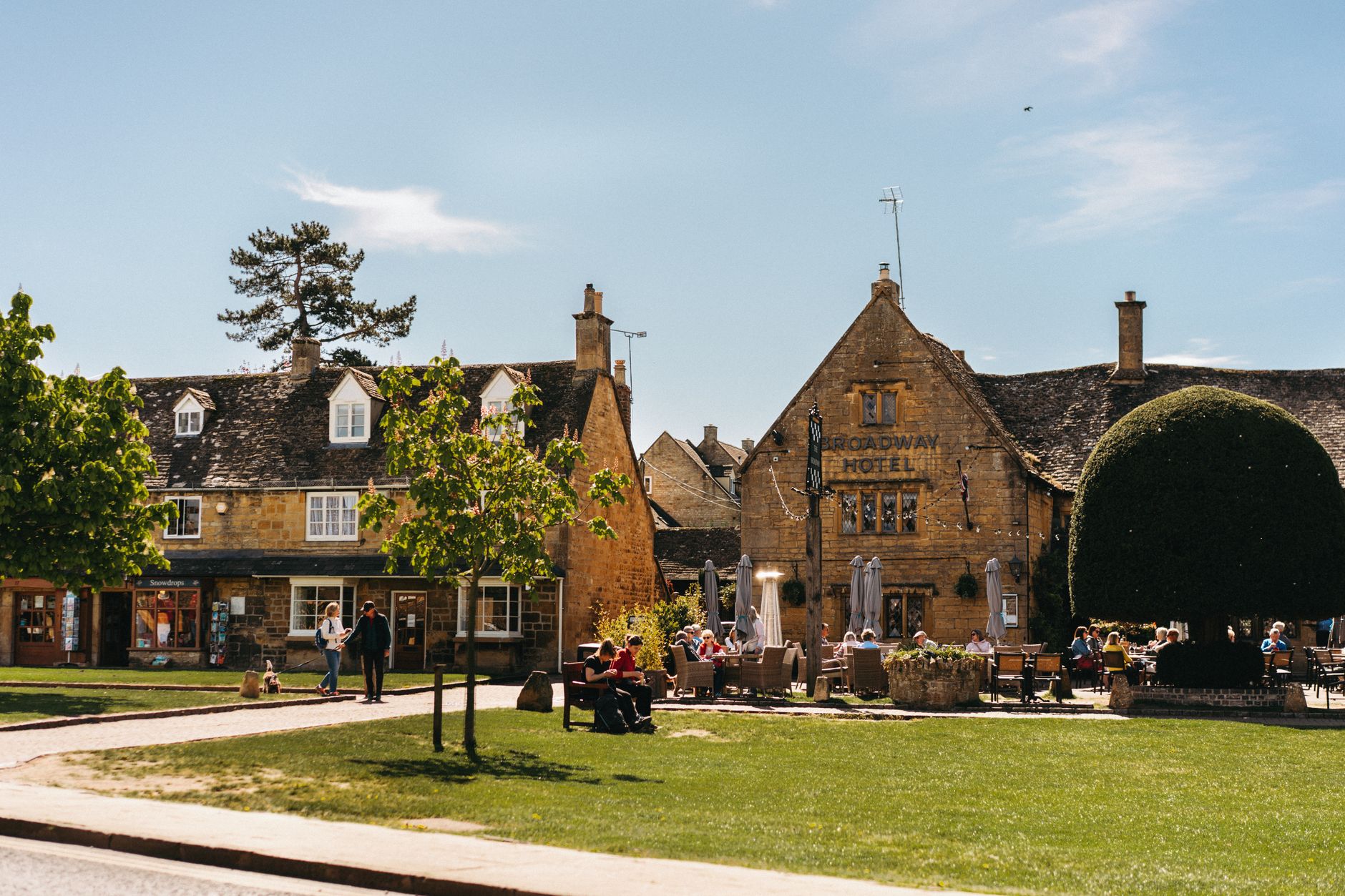
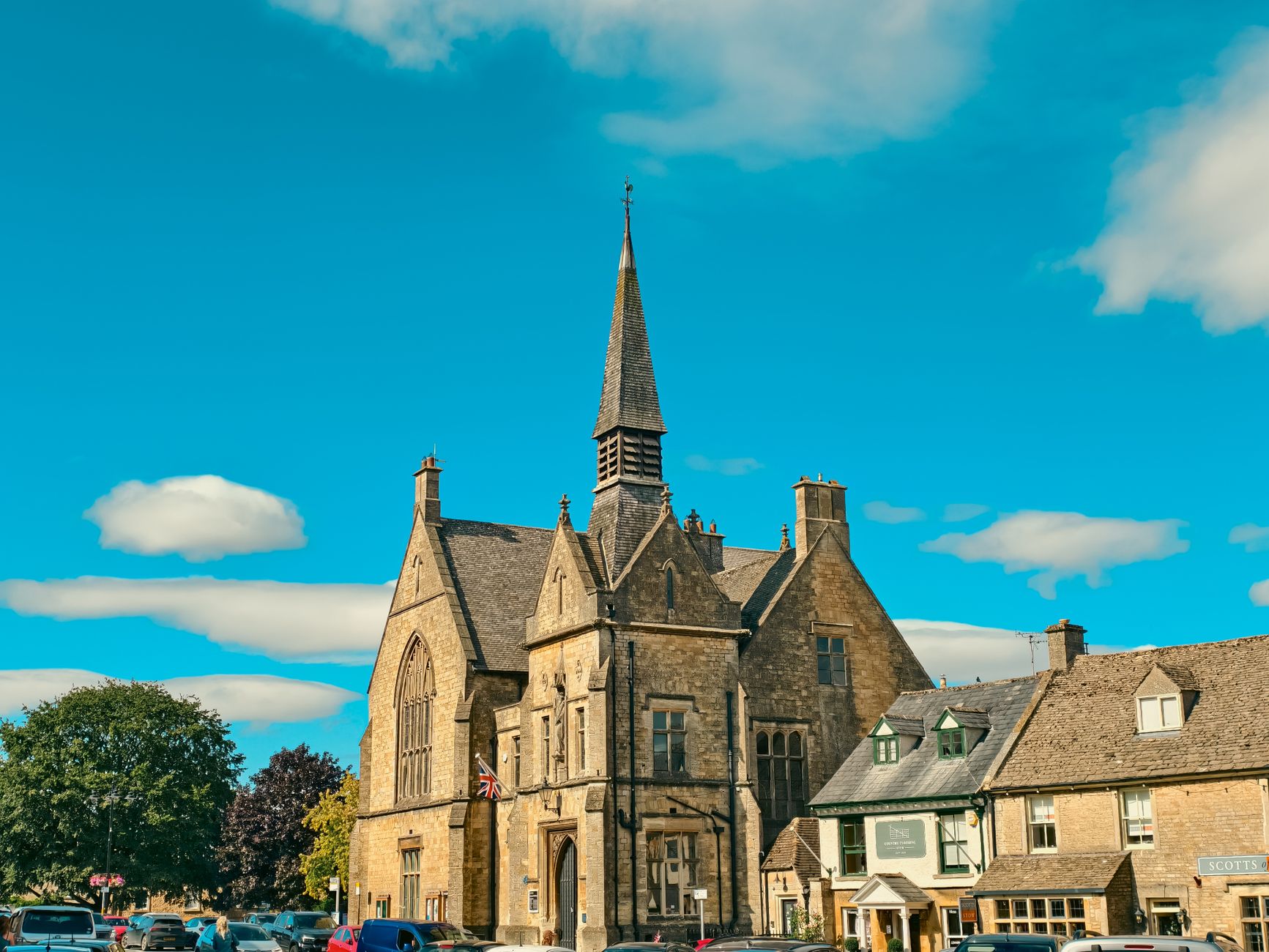

Kemble station sits seven miles northeast, connecting to London Paddington in seventy-five minutes, while Bristol lies thirty miles southwest. Tetbury is built on medieval wool wealth and warm limestone, known primarily for its dense concentration of antique dealerships along Long Street and its seventeenth-century Market House. Tetbury is worth visiting if you want to inspect serious antique furniture and walk quiet Cotswold wool heritage without the tour-bus crowds. Look elsewhere if you want lively nightlife, high-street chain shopping, major indoor family attractions, or a train station in the town centre.
Last updated 11 Sept 2026
Build a Tetbury itinerary.
Choose up to 4 threads that pull you in. Your plan arrives organised around them.
The Bed
Where to stay in Tetbury
Which part of town to book, and what each one costs you in walking, noise or quiet.
The Comparison
Tetbury, or somewhere near it
The places you are realistically choosing between, and the honest case for each.
The Local Record
Where to read more about Tetbury
The blogs, boards, guides and operators worth bookmarking.
What to do in Tetbury Gloucestershire United Kingdom
Tetbury is an unhurried market town built along three intersecting stone ridges. Life centres on the open undercroft of the 1655 Market House, where weekly stalls trade vegetables and baked goods, and along Long Street, where decorators and collectors hunt through Georgian mahogany and French clocks. It suits travellers who prefer slow browsing, well-kept public footpaths, and independent dining over theme-park Cotswold crowds.
24 hours in Tetbury Gloucestershire United Kingdom
Spend your morning under the pillars of Market House before descending the Chipping Steps. Break for lunch at The Priory Inn on London Road for local fare, then spend three hours scouring Long Street antique rooms. Finish with a pint of ale beside the fire at The Snooty Fox. Select 1 Day above to see it.
2 days in Tetbury Gloucestershire United Kingdom
Day two takes you beyond the stone core. Reserve an early morning slot at Highgrove or walk the four miles to Westonbirt Arboretum. Return by afternoon to inspect the Georgian pews at St Mary the Virgin, followed by dinner and organic cider at the Royal Oak on Charlton Road. Choose 2 Days to expand the plan.
3 days in Tetbury Gloucestershire United Kingdom
A third day lets you branch out along the Fosse Way. Drive ten minutes south to Malmesbury for the 12th-century abbey and Athelstan's tomb, or follow the Macmillan Way footpath across rolling water meadows to the Cat and Custard Pot pub in Shipton Moyne for a ploughman's lunch.
Tetbury Gloucestershire United Kingdom itineraries by interest
Antique Sourcing in Tetbury Gloucestershire United Kingdom
Rummage through twenty-five dealers along Long Street and Church Street for 18th-century oak dressers, silverware, and vintage architectural salvage.
Historic Architecture in Tetbury Gloucestershire United Kingdom
Walk past the 1655 Market House elevated on stone pillars and down the cobbled Chipping Steps, lined with 17th-century Cotswold stone weaver cottages.
Pub Culture in Tetbury Gloucestershire United Kingdom
Drink local Cotswold Brewery bitters by the hearth at the Snooty Fox or sip organic ciders at the restored 18th-century Royal Oak on Charlton Road.
Local Produce in Tetbury Gloucestershire United Kingdom
Buy Gloucestershire Old Spot pork, local lardy cakes, and Prince of Wales preserves from the Highgrove shop and independent butchers along Church Street.
Gardens & Parks in Tetbury Gloucestershire United Kingdom
Book ahead for garden tours at Highgrove Estate or walk four miles south to Westonbirt to see 2,500 species in the National Arboretum.
Sacred Architecture in Tetbury Gloucestershire United Kingdom
Inspect the slender spire and remarkably intact Georgian Gothic interior box pews of St Mary the Virgin, rebuilt in 1781 after a churchyard collapse.
Cotswold Walking in Tetbury Gloucestershire United Kingdom
Follow the Macmillan Way trail out through the rolling Avon Valley or loop the peaceful mill streams below the town toward Shipton Moyne.
Craft Traditions in Tetbury Gloucestershire United Kingdom
Browse bespoke tailors, leather workshops, and stone carvers working out of converted wool warehouses on Market Place and Silver Street.
Regional Cheeses in Tetbury Gloucestershire United Kingdom
Sample crumbly Single Gloucester, aged Double Gloucester, and local unpasteurised sheep milk cheeses at independent cheesemongers around the square.
Heritage Transport in Tetbury Gloucestershire United Kingdom
Visit the restored 1889 Great Western Railway goods shed, now an arts centre anchoring the quiet wooded walking trail along the old trackbed.
Day Trips in Tetbury Gloucestershire United Kingdom
Drive fifteen minutes north to Malmesbury for the 12th-century abbey ruins or explore the Roman mosaic remains across nearby Cirencester.
Casual Dining in Tetbury Gloucestershire United Kingdom
Settle in at the Priory Inn for wood-fired pizzas made using flour and charcuterie sourced strictly within a thirty-mile radius of the kitchen.