Totoralillo.


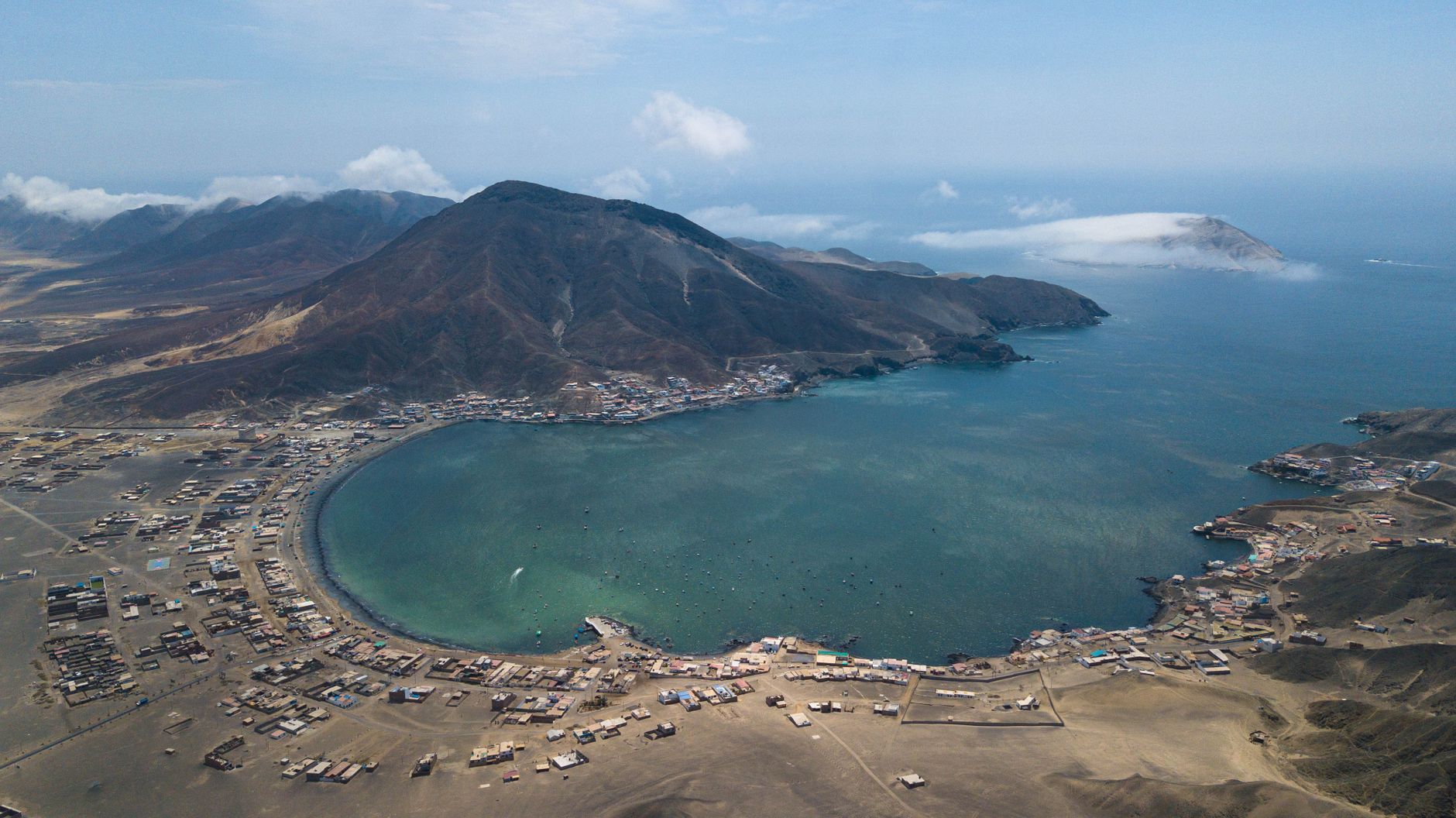
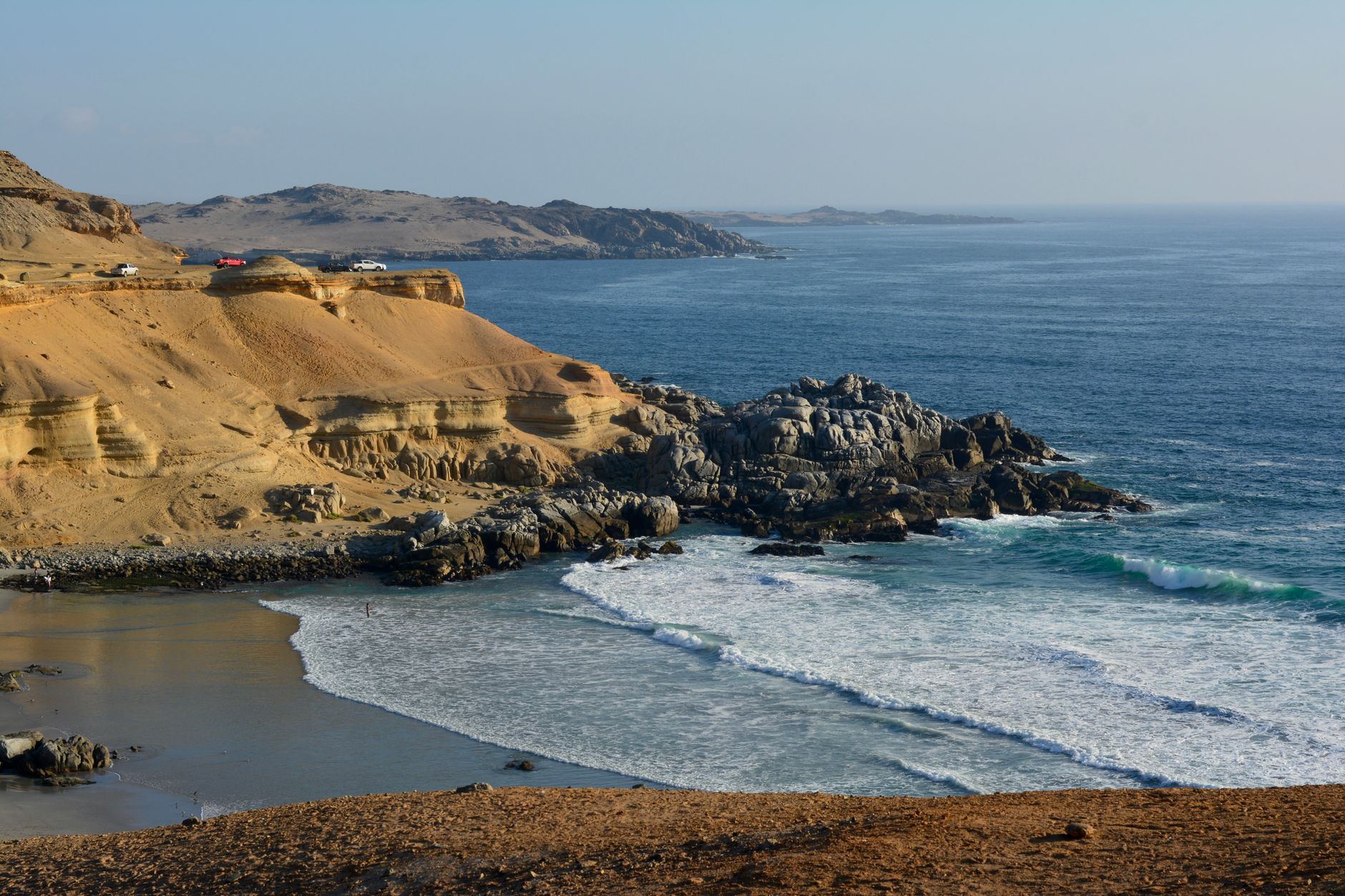


Sitting twenty-five kilometres south of Coquimbo along Ruta 5, Totoralillo is reached in thirty minutes by car or local colectivo. The village is known for its twin-sided white sand peninsula and reliable point breaks that draw surfers year-round. Totoralillo is worth visiting if you want cold Pacific surf, freshly fried ostiones at simple beachside kiosks, and unhurried coastal walks. Look elsewhere if you need vibrant nightlife, paved boardwalks, extensive shopping, or sheltered warm swimming water.
Last updated 17 Oct 2026
Build a Totoralillo itinerary.
Choose up to 4 threads that pull you in. Your plan arrives organised around them.
The Bed
Where to stay in Totoralillo
Which part of town to book, and what each one costs you in walking, noise or quiet.
The Comparison
Totoralillo, or somewhere near it
The places you are realistically choosing between, and the honest case for each.
The Local Record
Where to read more about Totoralillo
The blogs, boards, guides and operators worth bookmarking.
What to do in Totoralillo Región de Coquimbo Chile
Totoralillo splits neatly down a rocky peninsula into two distinct bays, giving the cove a quiet rhythm centered entirely on the tides. Surfers paddle out early into the cold Humboldt swell, while beachcombers drift toward the calmer eastern shore. The settlement is minimal, consisting of a few dozen cabins, surf schools, and casual seafood kiosks, making it ideal for self-reliant travellers looking for sea air and unpretentious fish.
24 hours in Totoralillo Región de Coquimbo Chile
Start early on the point with a surf session or a brisk walk along the shell sand. By midday, grab an empanada de jaiba from a beach stall on the main access track. Spend the afternoon resting above the turquoise water of Playa Chica before catching the sunset light over the Pacific rocks. Select 1 Day above to see it.
2 days in Totoralillo Región de Coquimbo Chile
On day two, drive ten minutes south to the long curve of Guanaqueros for a lunch of fresh reineta at the harbour stalls. In the afternoon, explore the quiet coves around Tongoy, famous for cultivated ostiones, and return to Totoralillo for quiet star-watching by the ocean. Choose 2 Days to expand the plan.
3 days in Totoralillo Región de Coquimbo Chile
A third day allows an unhurried morning drive into the dry, sun-drenched Elqui Valley. Tour a traditional pisco distillery in Pisco Elqui, drink a glass of valley Moscatel over grilled goat cheese, and return to your coastal base before the desert heat settles.
Totoralillo Región de Coquimbo Chile itineraries by interest
Surfing in Totoralillo Región de Coquimbo Chile
Ride the consistent reef and beach breaks at the point, where local surf shacks rent thick wetsuits to handle the brisk Humboldt Current.
Local Seafood in Totoralillo Región de Coquimbo Chile
Order fried empanadas stuffed with ostiones and queso at rustic stalls, or buy reineta and corvina directly from fishermen hauling skiffs ashore.
Coastal Walks in Totoralillo Región de Coquimbo Chile
Climb the rocky spine of the central peninsula at low tide for sweeping views across the twin bays, watching pelicans dive into clear turquoise water.
Day Trips in Totoralillo Región de Coquimbo Chile
Drive forty minutes inland toward the Elqui Valley for pisco distilleries, or head north to explore the historic harbour market in Coquimbo.
Astronomy in Totoralillo Región de Coquimbo Chile
Take advantage of the desert coast night skies by heading slightly inland to nearby amateur observatories around Vicuña under crystal clear air.
Beach Life in Totoralillo Región de Coquimbo Chile
Rest on the white shell sands of Playa Grande or paddle the calmer, turquoise shallows of Playa Chica, keeping a windbreaker handy for late afternoon.
Marine Wildlife in Totoralillo Región de Coquimbo Chile
Spot Humboldt penguins, sea lions, and migrating southern right whales from coastal rock perches, or take a boat outing from nearby Guanaqueros.
Markets & Produce in Totoralillo Región de Coquimbo Chile
Visit the fish market stalls at nearby Peñuelas to pick up fresh machas, calamares, and locally harvested cochayuyo seaweed straight from the boats.
Wine & Distilling in Totoralillo Región de Coquimbo Chile
Sample crisp Syrah from the coastal Limarí Valley or taste double-distilled Quebranta and Moscatel pisco at traditional producers near Paihuano.
Birdwatching in Totoralillo Región de Coquimbo Chile
Bring binoculars to the rocky headlands to observe Guanay cormorants, Peruvian pelicans, and grey gulls nesting along the granite ledges.
Traditional Cooking in Totoralillo Región de Coquimbo Chile
Seek out caldillo de congrio simmered with onions and tomatoes, or eat pastel de jaiba baked in clay bowls at simple family-run dining shacks.
Photography in Totoralillo Región de Coquimbo Chile
Capture the sharp contrast of turquoise water and arid desert hills at golden hour, framing the weathered fishing dories pulled onto the sand.