Tsodilo Hills.


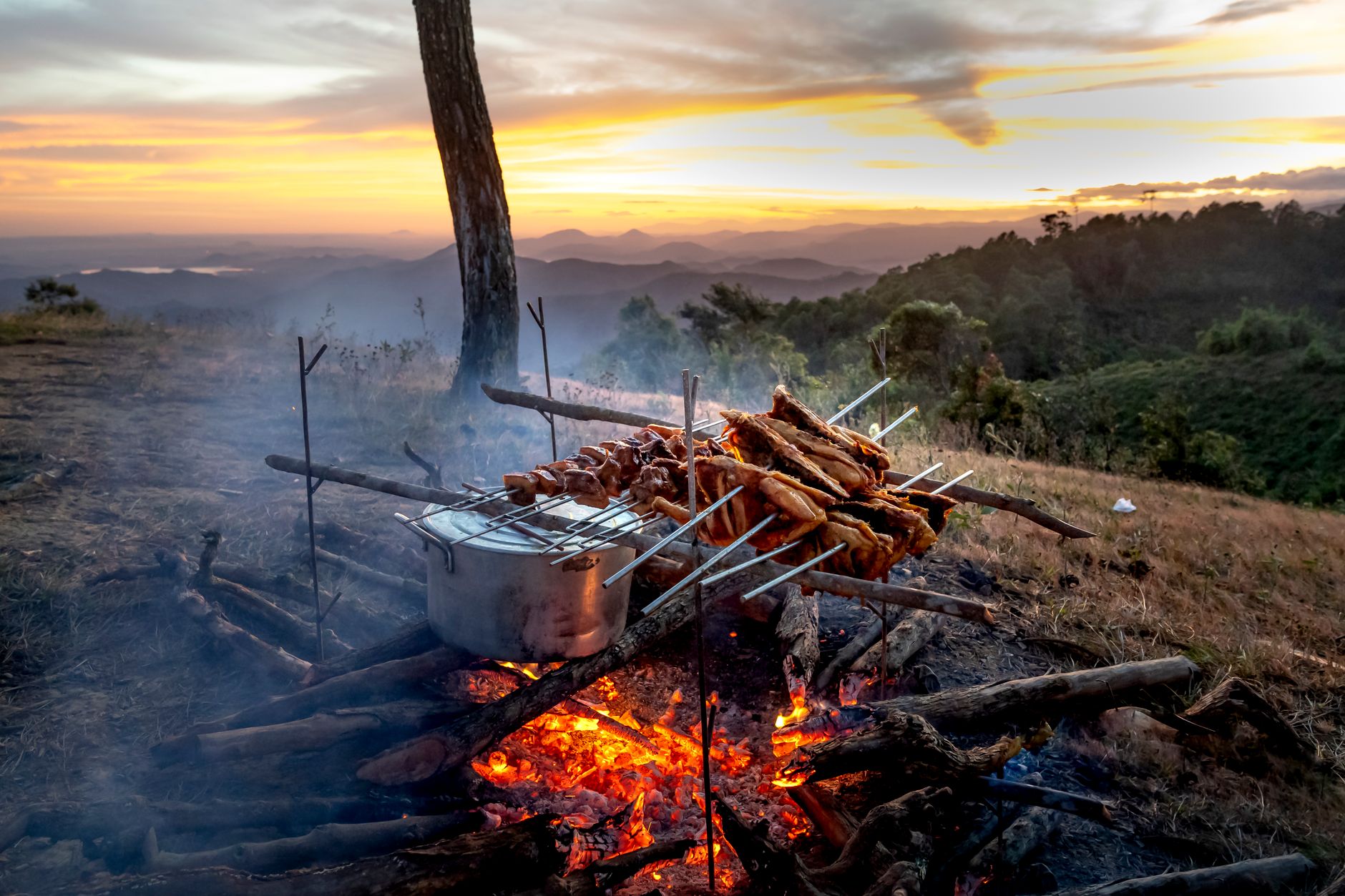
Located fifty kilometres southwest of Shakawe and reached via a two-hour sandy four-wheel-drive track from the A35, Tsodilo Hills rises abruptly above the Kalahari sandveld. The site holds over 4,500 rock paintings across four quartzite hills sacred to the Hambukushu and San peoples. Tsodilo Hills is worth visiting if you want to trace millennia of human history on foot among open-air rock shelters and quiet trails. Look elsewhere if you expect paved roads, luxury lodges on site, or standard wildlife safari drives.
Last updated 14 Nov 2026
Build a Tsodilo Hills itinerary.
Choose up to 4 threads that pull you in. Your plan arrives organised around them.
The Bed
Where to stay in Tsodilo Hills
Which part of town to book, and what each one costs you in walking, noise or quiet.
The Comparison
Tsodilo Hills, or somewhere near it
The places you are realistically choosing between, and the honest case for each.
The Local Record
Where to read more about Tsodilo Hills
The blogs, boards, guides and operators worth bookmarking.
What to do in Tsodilo Hills North-West District Botswana
The four quartzite monoliths of Tsodilo rise sharply above the flat Kalahari desert. Days here revolve around morning trail walks with a local guide before the sun bakes the rock, followed by hours studying red and white ochre paintings on Female Hill. It suits self-sufficient travellers who appreciate ancient archaeology, physical hiking, and genuine isolation.
24 hours in Tsodilo Hills North-West District Botswana
Arrive at dawn from Shakawe, register at the museum, and walk the Rhino Trail across Female Hill before midday heat sets in. Break for lunch from your packed cooler in the shade, then tackle the gentler Cliff Trail in the late afternoon light. Select 1 Day above to see it.
2 days in Tsodilo Hills North-West District Botswana
A second day lets you climb the steep 1,489-metre summit trail on Male Hill in the crisp early morning. Spend the afternoon resting back in Shakawe on the Okavango Panhandle, dining on fresh bream while river boats glide past papyrus reeds. Choose 2 Days to expand the plan.
3 days in Tsodilo Hills North-West District Botswana
With three days, add an excursion south to the village of Etsha to see local weavers working with palm fibres, or explore the deep sandy tracks around Child Hill and the Van der Post panel at an unhurried, contemplative pace.
Tsodilo Hills North-West District Botswana itineraries by interest
Rock Art in Tsodilo Hills North-West District Botswana
Follow the Rhino Trail on Female Hill to see red ochre depictions of eland, rhinos, and geometric motifs painted over thousands of years.
Guided Hiking in Tsodilo Hills North-West District Botswana
Hire an obligatory local guide at the gate to navigate the rough, unshaded paths winding through the Female, Male, and Child hills.
Sacred Sites in Tsodilo Hills North-West District Botswana
Learn Hambukushu and San creation lore surrounding Male Hill and the sacred water spring nestled deep within the quartzite folds.
Summit Trails in Tsodilo Hills North-West District Botswana
Climb Male Hill, Botswana’s highest point at 1,489 metres, on a steep, rocky two-hour scramble offering expansive views of the Kalahari.
Archaeology in Tsodilo Hills North-West District Botswana
Tour the small site museum at the entrance to see excavated Stone Age tools, pottery sherds, and iron-smelting remnants found nearby.
Wild Camping in Tsodilo Hills North-West District Botswana
Pitch a tent at the community-run campsite beneath acacia trees, equipped with basic tap water, long-drop toilets, and silent desert nights.
Birdwatching in Tsodilo Hills North-West District Botswana
Scan the cliff faces and mopane scrub for Verreaux's eagles, Meyer's parrots, Bradfield's hornbills, and purple rollers in the dry brush.
Stargazing in Tsodilo Hills North-West District Botswana
Take advantage of zero light pollution to view brilliant sweeps of the Milky Way and Southern Cross across the open desert sky after dark.
River Excursions in Tsodilo Hills North-West District Botswana
Base yourself forty kilometres north in Shakawe along the Okavango Panhandle for tigerfish angling and boat cruises through papyrus channels.
Local Food in Tsodilo Hills North-West District Botswana
Pack biltong, dried fruit, and water before departing Shakawe, or stop for beef seswaa and stiff maize pap at roadside diners in town.
Craft Traditions in Tsodilo Hills North-West District Botswana
Buy hand-woven palm-leaf baskets crafted by Hambukushu women in nearby villages like Etsha and Shakawe to support local artisans.
Geology in Tsodilo Hills North-West District Botswana
Study the sheer, folded quartzite and mica schist cliffs that have resisted millions of years of desert weathering in the Kalahari sand.