Viñales.
.jpg)


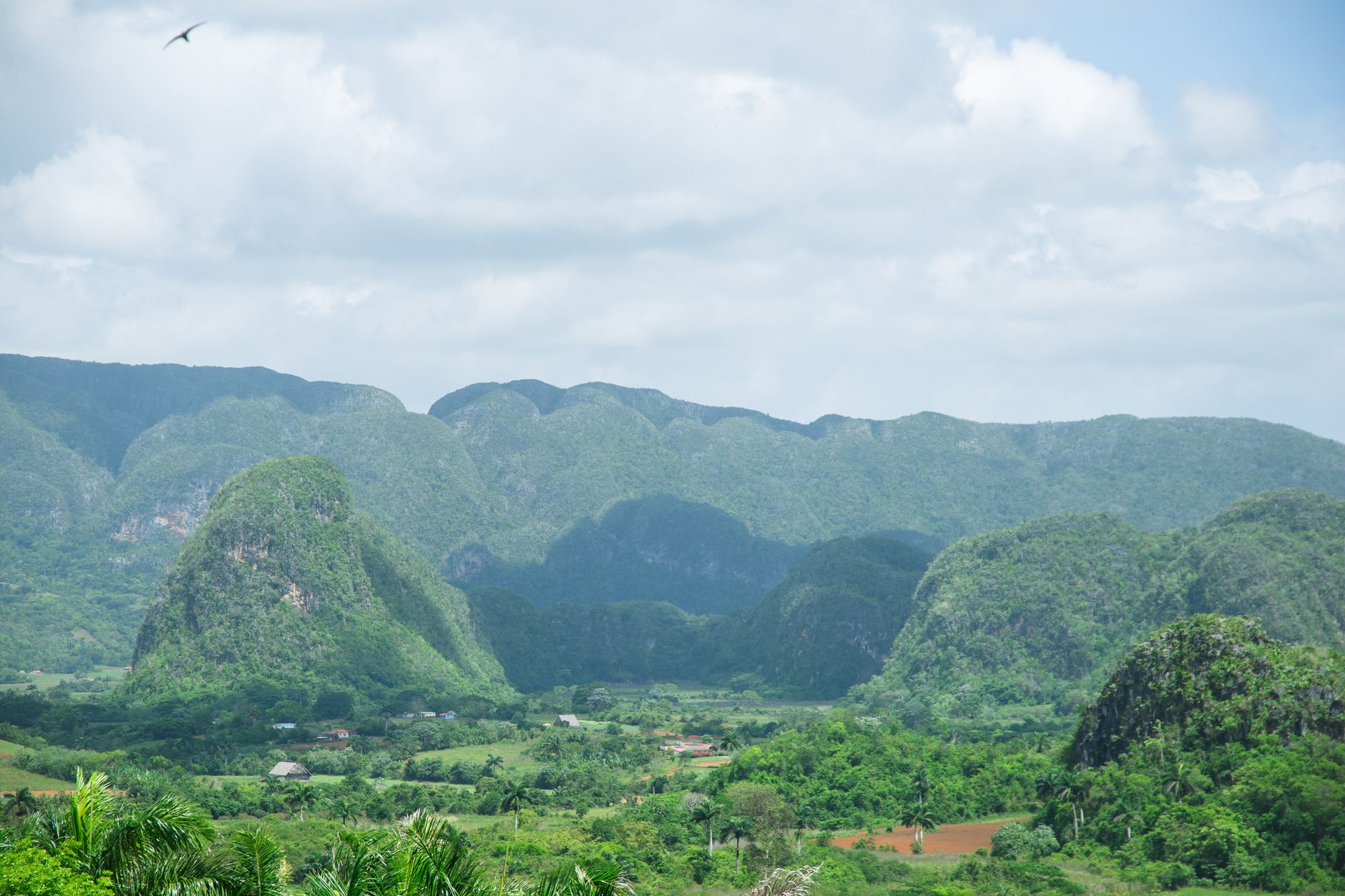

Towering limestone mogotes rise abruptly out of iron-red dirt fields ploughed by oxen. Along the main drag of Calle Salvador Cisneros, timber rocking chairs line every porch, occupied by hosts waiting to pour strong espresso. You come here for the tobacco farming, where leaves still cure in thatch-roofed secaderos, and for the quiet rhythm of a valley that resists modern machinery with stubborn dignity.
Last updated 28 Aug 2026
Build a Viñales itinerary.
Choose up to 4 threads that pull you in. Your plan arrives organised around them.
The Bed
Where to stay in Viñales
Which part of town to book, and what each one costs you in walking, noise or quiet.
The Comparison
Viñales, or somewhere near it
The places you are realistically choosing between, and the honest case for each.
The Local Record
Where to read more about Viñales
The blogs, boards, guides and operators worth bookmarking.
What to do in Viñales Pinar del Río Cuba
Life here centres on Calle Salvador Cisneros, branching out into a broad valley of karst pinnacles and red clay fields. The day splits cleanly between morning farm outings on foot or horse and long, generous afternoon meals. It suits independent travellers who appreciate unvarnished agricultural craft, slow-cooked pork, and an early evening rocking on a private porch with cold Bucanero beer.
24 hours in Viñales Pinar del Río Cuba
Start early in the Valle del Silencio watching tobacco farmers work their fields. Walk or ride back to town for a massive lunch of lechón and black beans at Finca Agroecológica El Paraíso. Finish with live son cubano around the plaza by nine in the evening. Select 1 Day above to see it.
2 days in Viñales Pinar del Río Cuba
Devote the second day to the underground caves of Gran Caverna de Santo Tomás, sixteen kilometres west. On your return, rent a bicycle to explore the Palmarito mogotes before settling in for wood-fired grilled snapper and plantain chips at a quiet family paladar. Choose 2 Days to expand the plan.
3 days in Viñales Pinar del Río Cuba
A third day allows a bumpy sixty-kilometre excursion north to Cayo Jutías. Spend the hours swimming along quiet white sands and eating garlic lobster pulled right from the boats. Return to Viñales in time for sunset coffee overlooking the valley cliffs.
Viñales Pinar del Río Cuba itineraries by interest
Agricultural Heritage in Viñales Pinar del Río Cuba
Watch tobacco growers roll cigars and cure criollo leaves inside palm-thatched casas de tabaco across Valle de Viñales.
Farm Dinners in Viñales Pinar del Río Cuba
Eat slow-roasted pork, malanga fritters, and black beans at hillside agro-ecological tables like Finca Agroecológica El Paraíso.
Hiking in Viñales Pinar del Río Cuba
Walk the red-clay trails through Valle del Silencio and Palmarito to find secluded coffee groves and quiet natural limestone sinkholes.
Caving in Viñales Pinar del Río Cuba
Board motorboats inside the underground river at Cueva del Indio and explore the cavern galleries of Gran Caverna de Santo Tomás.
Equestrian Trails in Viñales Pinar del Río Cuba
Ride criollo horses along farm borders and valley footpaths, stopping for wild honey, hand-cranked cane juice, and fresh rum.
Rock Climbing in Viñales Pinar del Río Cuba
Scale steep limestone crags and karst overhangs with local guides on routes bolted across the Mogote del Valle.
Local Architecture in Viñales Pinar del Río Cuba
Admire single-storey pastel wooden casitas with terracotta tiled roofs and covered columned verandas along Calle Salvador Cisneros.
Coastal Day Trips in Viñales Pinar del Río Cuba
Take a taxi north to Cayo Jutías for white coral sand, mangrove shores, and freshly grilled whole red snapper with lime.
Coffee Culture in Viñales Pinar del Río Cuba
Sample dark-roast mountain coffee brewed strong in moka pots, sweetened with local honey and infused with Guayabita del Pinar.
Scenic Lookouts in Viñales Pinar del Río Cuba
Catch early morning mist drifting past the mogotes from the terrace beside Hotel Los Jazmines before the sun heats the valley.
Cocktails & Spirits in Viñales Pinar del Río Cuba
Sip local canchánchara cocktails made with aguardiente, honey, and fresh lime at shaded town bars around the central plaza.
Live Music in Viñales Pinar del Río Cuba
Listen to live son cubano, trova guitarists, and salsa quartets under the open sky at the Casa de la Cultura on the square.