Wadi Ibn Hammad.


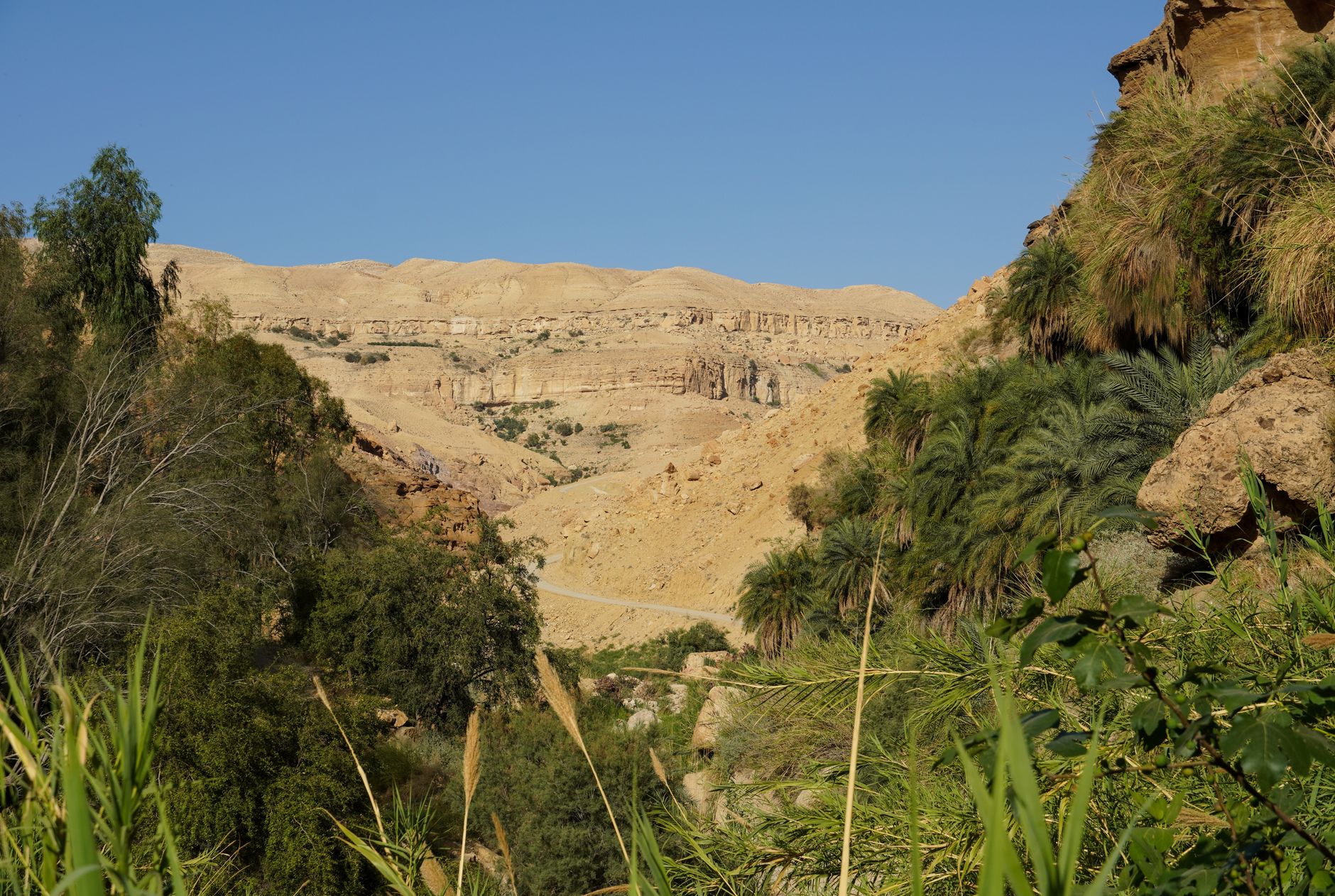
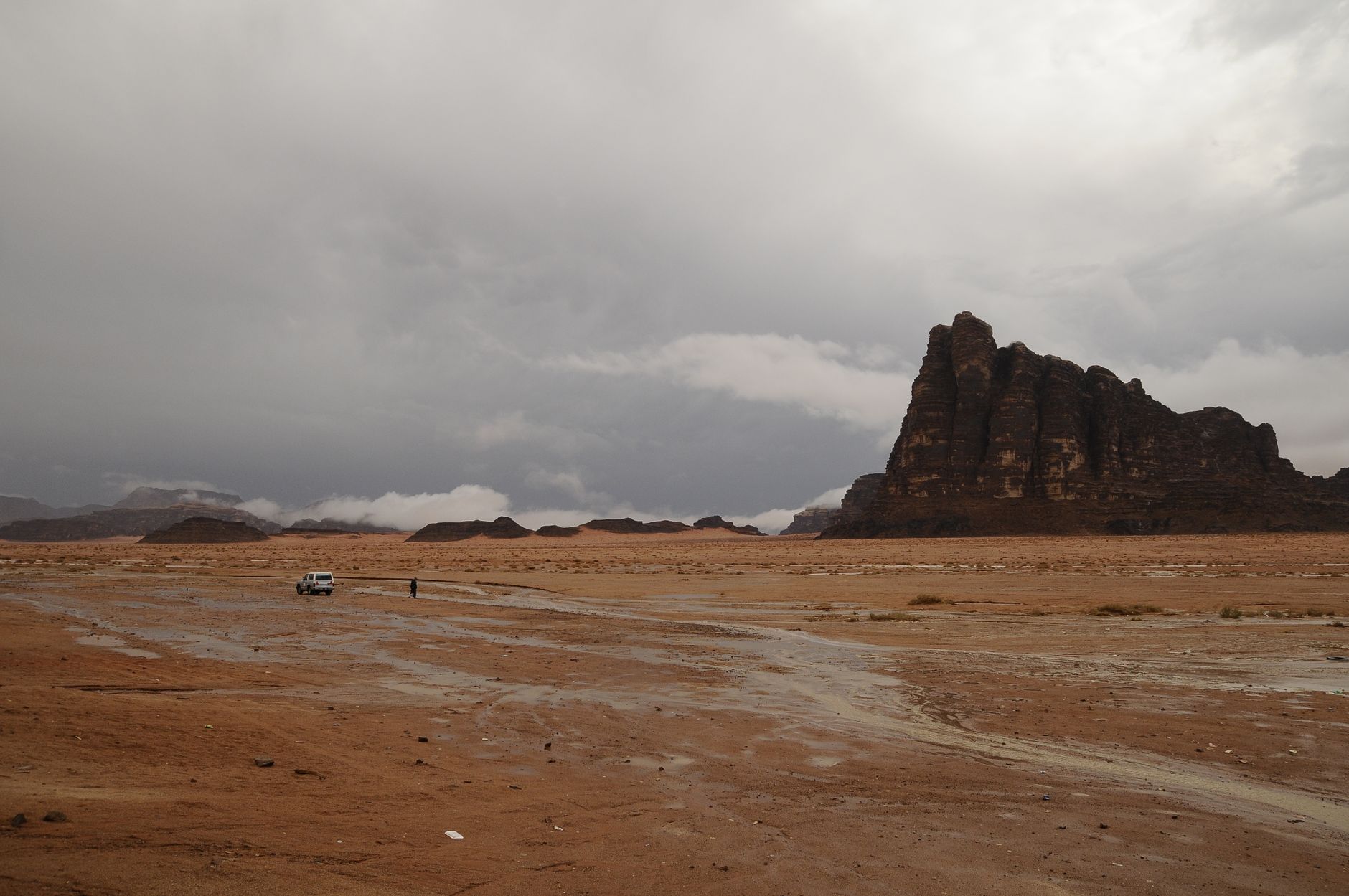


Wadi Ibn Hammad sits thirty kilometres northwest of Karak and roughly two hours south of Amman, accessed via a steep, winding descent from the Kings' Highway. The canyon is known for its running thermal stream, towering sandstone slot walls, and hanging ferns fed by warm natural springs. Wadi Ibn Hammad is worth visiting if you want a wet canyon hike through lush desert microclimates with warm running water. Look elsewhere if you need paved walkways, accessible facilities, or dry desert viewpoints without wading.
Last updated 6 Nov 2026
Build a Wadi Ibn Hammad itinerary.
Choose up to 4 threads that pull you in. Your plan arrives organised around them.
The Bed
Where to stay in Wadi Ibn Hammad
Which part of town to book, and what each one costs you in walking, noise or quiet.
The Comparison
Wadi Ibn Hammad, or somewhere near it
The places you are realistically choosing between, and the honest case for each.
The Local Record
Where to read more about Wadi Ibn Hammad
The blogs, boards, guides and operators worth bookmarking.
What to do in Wadi Ibn Hammad Karak Governorate Jordan
The gorge is an active, wet day-hike where the trail is the riverbed itself. Days revolve around descending the steep canyon from the village of Bteir, wading into the warm, palm-choked slot canyon, and taking in the striking contrast between parched desert ridges and dripping ferns. It suits sure-footed walkers comfortable in water shoes who prefer natural valleys over developed tourist infrastructure.
24 hours in Wadi Ibn Hammad Karak Governorate Jordan
Arrive by nine in the morning with secure water sandals. Spend three hours hiking downstream into the shaded slot canyon and back, soaking in the thermal seepages. Drive thirty minutes up to Karak for a late afternoon plate of lamb mansaf and a sunset stroll around the Crusader castle ramparts. Select 1 Day above to see it.
2 days in Wadi Ibn Hammad Karak Governorate Jordan
Dedicate your second day to the broader Karak plateau. Explore the Byzantine mosaics of nearby Madaba or head down to the Dead Sea coast at Ghor al-Mazra'a. In the evening, sample fresh saj bread, halloumi, and grilled kofta at a quiet roadside eatery along the Kings' Highway. Choose 2 Days to expand the plan.
3 days in Wadi Ibn Hammad Karak Governorate Jordan
A third day allows you to explore the dramatic heights of Dana Biosphere Reserve or hike the deeper gorges of Wadi Mujib. Take time for an unhurried morning drinking cardamon coffee in Karak's old market, picking up dried jameed and local olive oil directly from producers.
Wadi Ibn Hammad Karak Governorate Jordan itineraries by interest
Canyon Hiking in Wadi Ibn Hammad Karak Governorate Jordan
Wade through ankle-deep warm water along smooth sandstone slot canyons, navigating limestone overhangs on the four-kilometre trail.
Hot Springs in Wadi Ibn Hammad Karak Governorate Jordan
Soak under thermal spring trickles that seep directly from the reddish canyon walls, warming the riverbed to comfortable bath temperatures.
Native Flora in Wadi Ibn Hammad Karak Governorate Jordan
Spot dense clusters of maidenhair ferns, wild date palms, and hanging mosses that thrive in the canyon's humid, sheltered microclimate.
Geological Formations in Wadi Ibn Hammad Karak Governorate Jordan
Observe striated Nubian sandstone carved by flash floods into swirling pink, ochre, and bronze narrows, framed by natural rock bridges.
Birdwatching in Wadi Ibn Hammad Karak Governorate Jordan
Look up for Sinai rosefinches, Tristram's starlings, and sand partridges nesting in the quiet cliff crevices above the stream bed.
Local Cuisine in Wadi Ibn Hammad Karak Governorate Jordan
Head back up to Karak town after your hike for traditional mansaf, featuring tender lamb simmered in rehydrated jameed over turmeric rice.
Bedouin Culture in Wadi Ibn Hammad Karak Governorate Jordan
Drink sweet sage and black tea brewed over open charcoal embers by local shepherds resting near the shaded valley trailhead entrance.
Photography in Wadi Ibn Hammad Karak Governorate Jordan
Capture the midday shafts of light piercing the narrow slot canyon, illuminating hanging green foliage against saturated red rock walls.
Day Trips in Wadi Ibn Hammad Karak Governorate Jordan
Drive forty minutes south to tour Karak Castle, the massive twelfth-century Crusader fortress overlooking the southern Dead Sea basin.
Scenic Drives in Wadi Ibn Hammad Karak Governorate Jordan
Navigate the dramatic switchbacks descending over eight hundred vertical metres from the agricultural plateau down into the valley floor.
Picnic Spots in Wadi Ibn Hammad Karak Governorate Jordan
Spread a flatbread and labneh lunch on the flat gravel banks shaded by oleander bushes near the midpoint of the canyon trail.
Rural Agriculture in Wadi Ibn Hammad Karak Governorate Jordan
Pass terraced olive groves, fig orchards, and tomato patches irrigated by the perennial mountain stream at the valley entrance.