Wadi Mujib.
.jpg)

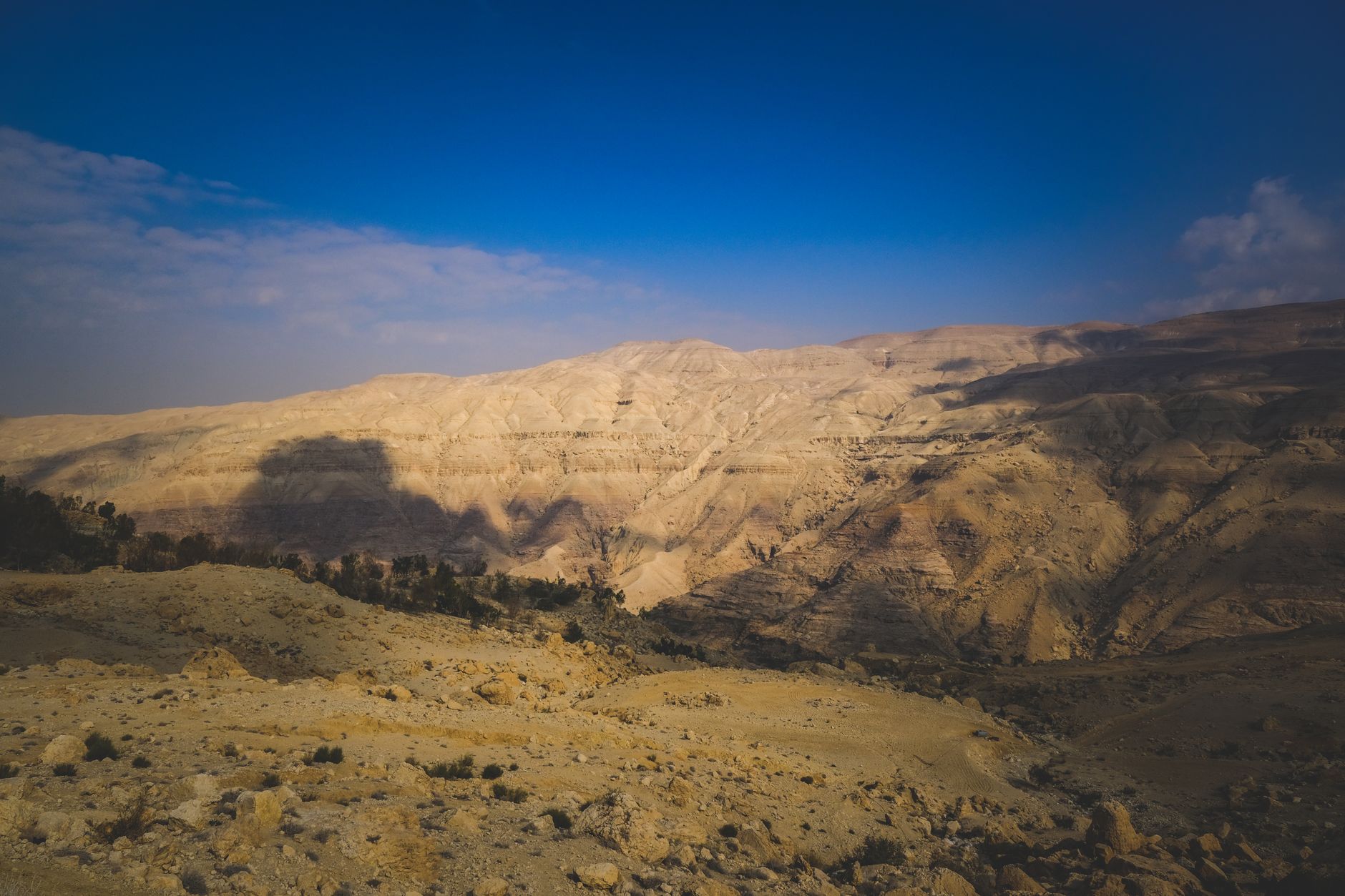
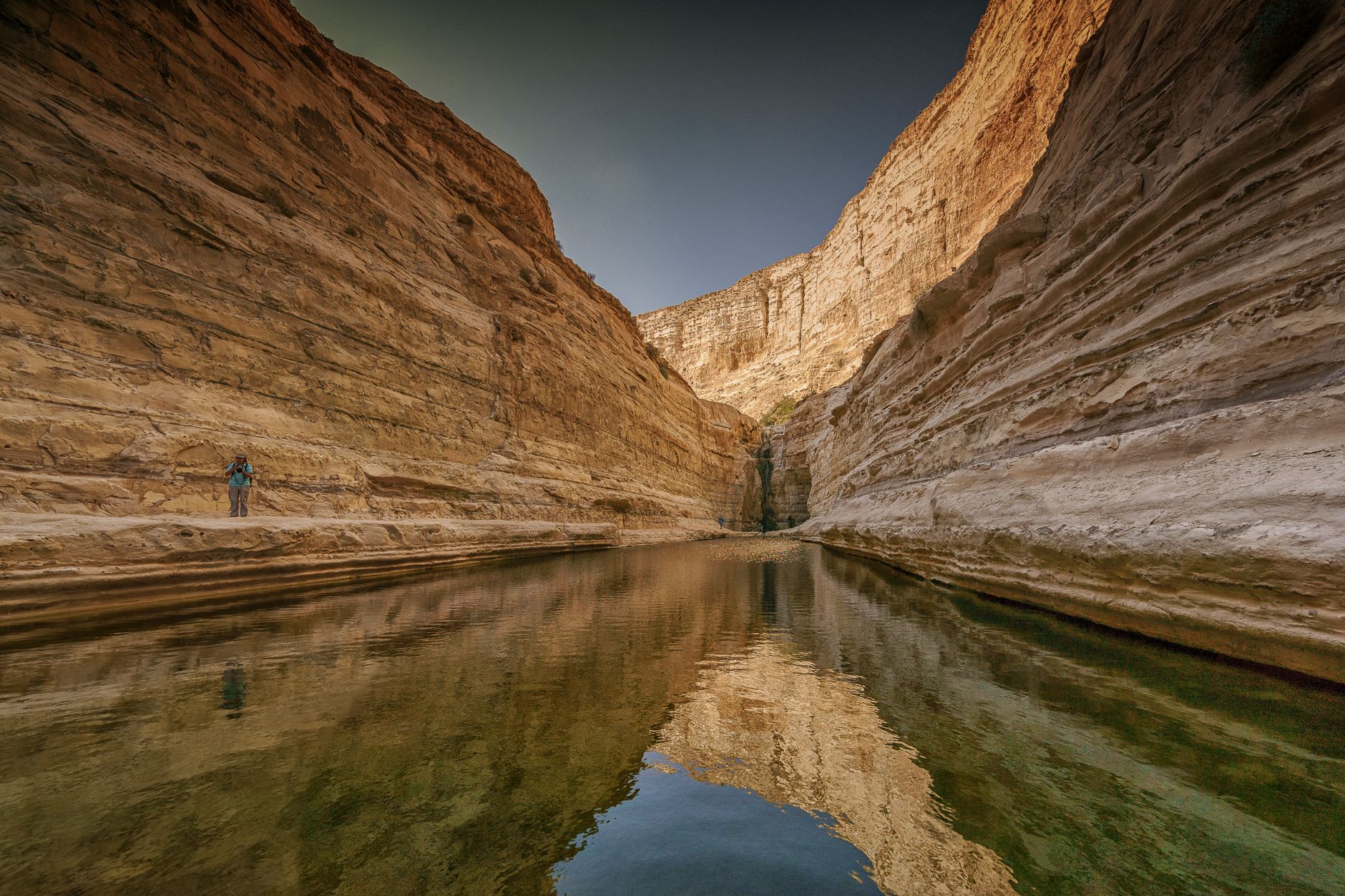

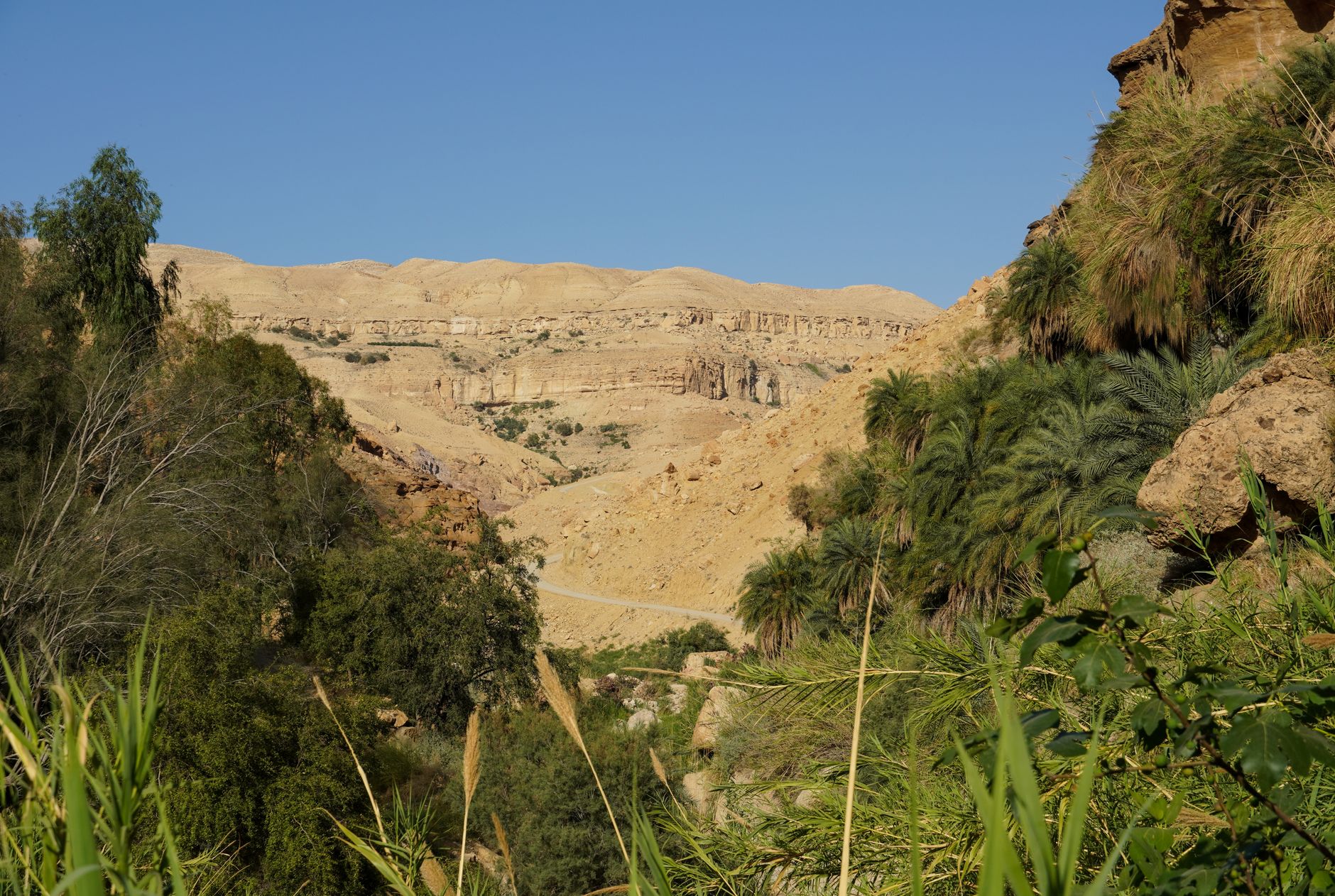
Wadi Mujib sits ninety minutes south of Amman along the Dead Sea Highway, dropping into a deep rift valley carved into towering red sandstone. Managed by the Royal Society for the Conservation of Nature, it is known for wet canyon scrambling through rushing spring water at 400 metres below sea level. Wadi Mujib is worth visiting if you want to scramble up waterfalls and wade deep sandstone gorges with a life jacket. Look elsewhere if you want relaxed historic promenades, museum galleries, or dry footwear.
Last updated 8 Oct 2026
Build a Wadi Mujib itinerary.
Choose up to 4 threads that pull you in. Your plan arrives organised around them.
The Bed
Where to stay in Wadi Mujib
Which part of town to book, and what each one costs you in walking, noise or quiet.
The Comparison
Wadi Mujib, or somewhere near it
The places you are realistically choosing between, and the honest case for each.
The Local Record
Where to read more about Wadi Mujib
The blogs, boards, guides and operators worth bookmarking.
What to do in Wadi Mujib Karak Governorate Jordan
The landscape here revolves around a dramatic sea-level canyon slicing through the Moab plateau into the Dead Sea. Days center on the water: checking into the RSCN visitor centre by 08:00, pulling on a life jacket, and working your way upstream against rushing mountain runoff. It suits active travellers, nimble hikers, and anyone unbothered by bruised knees and soaking boots.
24 hours in Wadi Mujib Karak Governorate Jordan
Arrive at the Siq Trail by 08:30 to beat tour buses. Spend three hours scrambling the gorge to the main cascade, dry off for a plate of spiced chicken and flatbread at the Mujib bridge cafe, and watch sunset light turn the Dead Sea cliffs pink. Select 1 Day above to see it.
2 days in Wadi Mujib Karak Governorate Jordan
A second day lets you drive thirty minutes north to Hammamat Ma'in to soak in natural hot springs, followed by an afternoon exploring Byzantine mosaics in Madaba and an unhurried dinner of slow-roasted lamb mansaf and mint tea. Choose 2 Days to expand the plan.
3 days in Wadi Mujib Karak Governorate Jordan
Add a third morning to walk the high-altitude Ibex Trail above the Dead Sea, then head forty miles south along the Kings Highway to explore the dark, cavernous Crusader vaults of Karak Castle before an evening meal in the old town.
Wadi Mujib Karak Governorate Jordan itineraries by interest
Canyon Trekking in Wadi Mujib Karak Governorate Jordan
Wade the self-guided Siq Trail through waist-deep water to reach the roaring sandstone waterfall, or hire a local guide for the longer Malaqi route.
Wildlife Watching in Wadi Mujib Karak Governorate Jordan
Scan the limestone cliffs along the dry Ibex Trail above the Dead Sea for endangered Nubian ibex, striped hyenas, and nesting Syrian serin finches.
Thermal Springs in Wadi Mujib Karak Governorate Jordan
Soak weary muscles in the mineral-rich cascades at nearby Hammamat Ma'in, where natural thermal springs spill down basalt rocks at forty degrees Celsius.
Scenic Drives in Wadi Mujib Karak Governorate Jordan
Follow Route 65 along the Dead Sea shoreline or climb the winding Kings Highway through Dhiban to view the sheer drop of the Mujib Grand Canyon.
Fortress Architecture in Wadi Mujib Karak Governorate Jordan
Tour the twelfth-century Crusader stronghold at Karak Castle, exploring barrel-vaulted stone halls and Ottoman barracks forty miles south of the gorge.
Traditional Dining in Wadi Mujib Karak Governorate Jordan
Pull apart warm shrak bread over lamb mansaf simmered in fermented jameed yoghurt, or share clay-pot galayet bandora in nearby Madaba and Karak.
Ancient Mosaics in Wadi Mujib Karak Governorate Jordan
Visit Saint George Church in Madaba to inspect the sixth-century floor mosaic mapping the Nile Delta, the Dead Sea, and biblical Jerusalem.
Archaeological Sites in Wadi Mujib Karak Governorate Jordan
Examine the iron-age ruins of Dhiban and the Roman frontier fortress at Qasr Bashir, set in the arid steppe east of the Mujib catchment basin.
Desert Botany in Wadi Mujib Karak Governorate Jordan
Identify rare wild orchids, desert carob shrubs, and salt-tolerant tamarisk blooming along the permanent freshwater channels of the rift canyon.
Bird Migration in Wadi Mujib Karak Governorate Jordan
Spot migrating honey buzzards, Egyptian vultures, and black storks funnelling through the Great Rift Valley flyway each autumn and spring.
Local Markets in Wadi Mujib Karak Governorate Jordan
Browse weekly Friday produce stalls in Karak town for brined Nabulsi cheese, green olives, dried za'atar, and wild mountain sumac.
Eco Lodging in Wadi Mujib Karak Governorate Jordan
Sleep at Mujib Chalets facing the Dead Sea salt flats, where simple rooms provide sea views and immediate access to the visitor centre gorge entrance.