Woodstock.


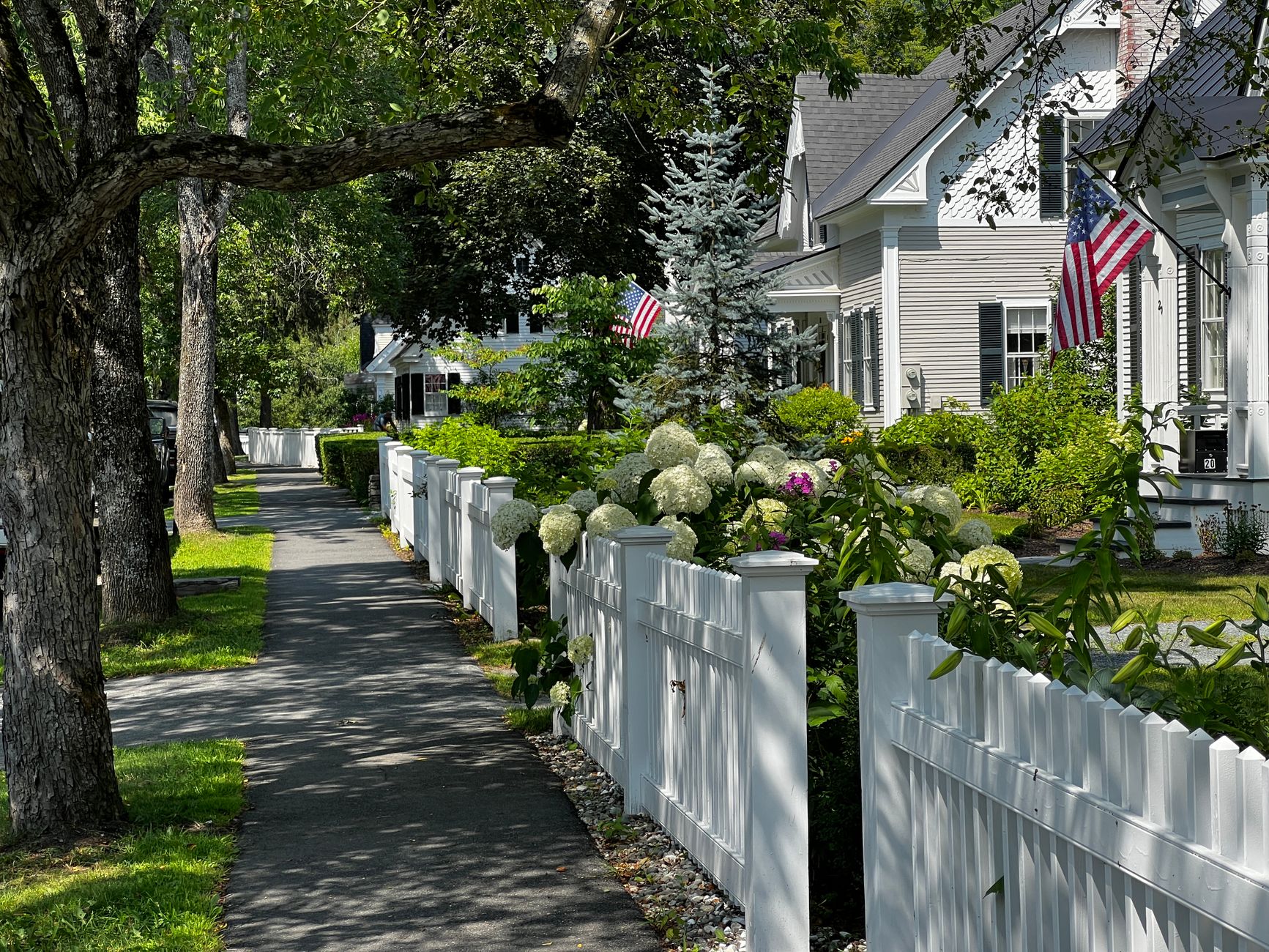
Woodstock sits eight miles north of Oxford, reached in twenty minutes via the S3 bus along the A44. The town is known for its eighteenth-century stone coaching inns and the monumental English Baroque estate of Blenheim Palace right at its edge. Woodstock is worth visiting if you want to pair country walks across landscaped eighteenth-century parkland with real ale and roasted local game in low-ceilinged pubs. Look elsewhere if you want late-night bars, budget hostelling, or quick rail connections direct to the door.
Last updated 20 Oct 2026
Build a Woodstock itinerary.
Choose up to 4 threads that pull you in. Your plan arrives organised around them.
The Bed
Where to stay in Woodstock
Which part of town to book, and what each one costs you in walking, noise or quiet.
The Comparison
Woodstock, or somewhere near it
The places you are realistically choosing between, and the honest case for each.
The Local Record
Where to read more about Woodstock
The blogs, boards, guides and operators worth bookmarking.
What to do in Woodstock Oxfordshire United Kingdom
Woodstock splits neatly into two distinct realms: the handsome honey-stone Georgian market town on one side of Town Gate, and the vast rolling expanse of Blenheim Palace parkland on the other. Days run along a steady rhythm of morning estate walks, afternoon browsing along Market Place and Park Street, and unhurried pub dinners by evening fires.
24 hours in Woodstock Oxfordshire United Kingdom
Enter Blenheim Palace through the Town Gate right after opening to walk the formal gardens and the lake before the tour coaches arrive. Have lunch on Park Street, explore the Oxfordshire Museum, then settle in at The King's Head on Park Street for braised beef and a pint of local bitter. Select 1 Day above to see it.
2 days in Woodstock Oxfordshire United Kingdom
Use a second morning to walk the quiet perimeter paths out toward Combe Gate, avoiding the main ticketed grounds altogether. Spend your afternoon hunting for prints and furniture along Oxford Street, then take dinner in the dining room of The Crown for roasted Cotswold lamb. Choose 2 Days to expand the plan.
3 days in Woodstock Oxfordshire United Kingdom
A third day allows you to catch the local train or bus west to Charlbury for walking along the river Evenlode, or visit Churchill's grave in nearby Bladon churchyard on foot. Return to Woodstock for an afternoon tea on Market Place and a quiet evening by a hearth.
Woodstock Oxfordshire United Kingdom itineraries by interest
Historic Pubs in Woodstock Oxfordshire United Kingdom
Drink Hooky bitter by open hearths at The Crown or The Star Inn, where stone walls and flagstones have held town drinkers since the seventeenth century.
Grand Estates in Woodstock Oxfordshire United Kingdom
Walk the Vanbrugh-designed Blenheim Palace, its Great Court, state rooms, formal water terraces, and the vast parkland shaped by Capability Brown.
Country Walks in Woodstock Oxfordshire United Kingdom
Follow the Oxfordshire Way out toward Wootton or loop the perimeter wall of the palace estate past ancient oaks and the Column of Victory.
Local History in Woodstock Oxfordshire United Kingdom
Browse the Oxfordshire Museum on Park Street for Anglo-Saxon gold, garden galleries, and regional domestic trades across converted Georgian rooms.
Regional Food in Woodstock Oxfordshire United Kingdom
Eat slow-cooked Oxfordshire lamb, venison pies, and Sunday roasts served with creamed horseradish in coaching inns along High Street and Oxford Street.
Antique Shopping in Woodstock Oxfordshire United Kingdom
Scour independent shops on Market Place for eighteenth-century English furniture, brassware, vintage maps, and early twentieth-century silver.
Sacred Architecture in Woodstock Oxfordshire United Kingdom
Inspect the Norman doorway, sixteenth-century tower, and historic chiming clock inside St Mary Magdalene Church in the center of town.
Gardens & Parks in Woodstock Oxfordshire United Kingdom
Wander the Duke's private Italian Gardens, the rose beds, and the Secret Garden, framed by box hedges and the winding river Glyme.
Craft Traditions in Woodstock Oxfordshire United Kingdom
Learn the heritage of Woodstock glove-making and fine leatherwork, a cottage trade that supplied royalty and thrived here until the late 1900s.
Day Trips in Woodstock Oxfordshire United Kingdom
Take the short bus ride south to Oxford's Ashmolean Museum or head west into Cotswold villages like Charlbury and Minster Lovell.
Cycling in Woodstock Oxfordshire United Kingdom
Ride country lanes out through Combe, Stonesfield, and the Evenlode Valley, stopping at stone-built village taverns for bread and regional cheese.
Fine Dining in Woodstock Oxfordshire United Kingdom
Book tables along Oxford Street for seasonal British cooking focused on Cotswold game, salt-aged beef, and poached orchard fruit.