Wrexham.


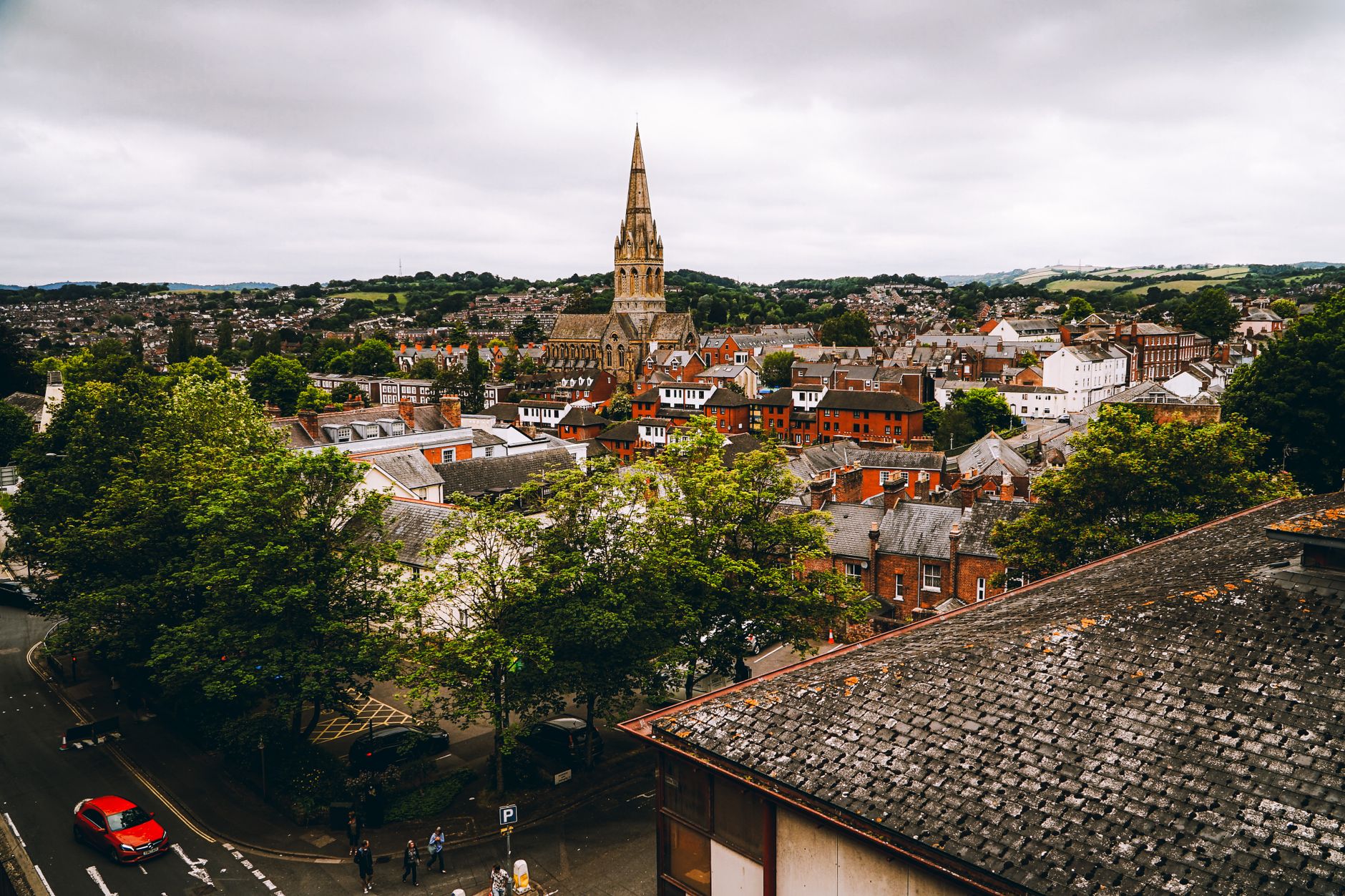
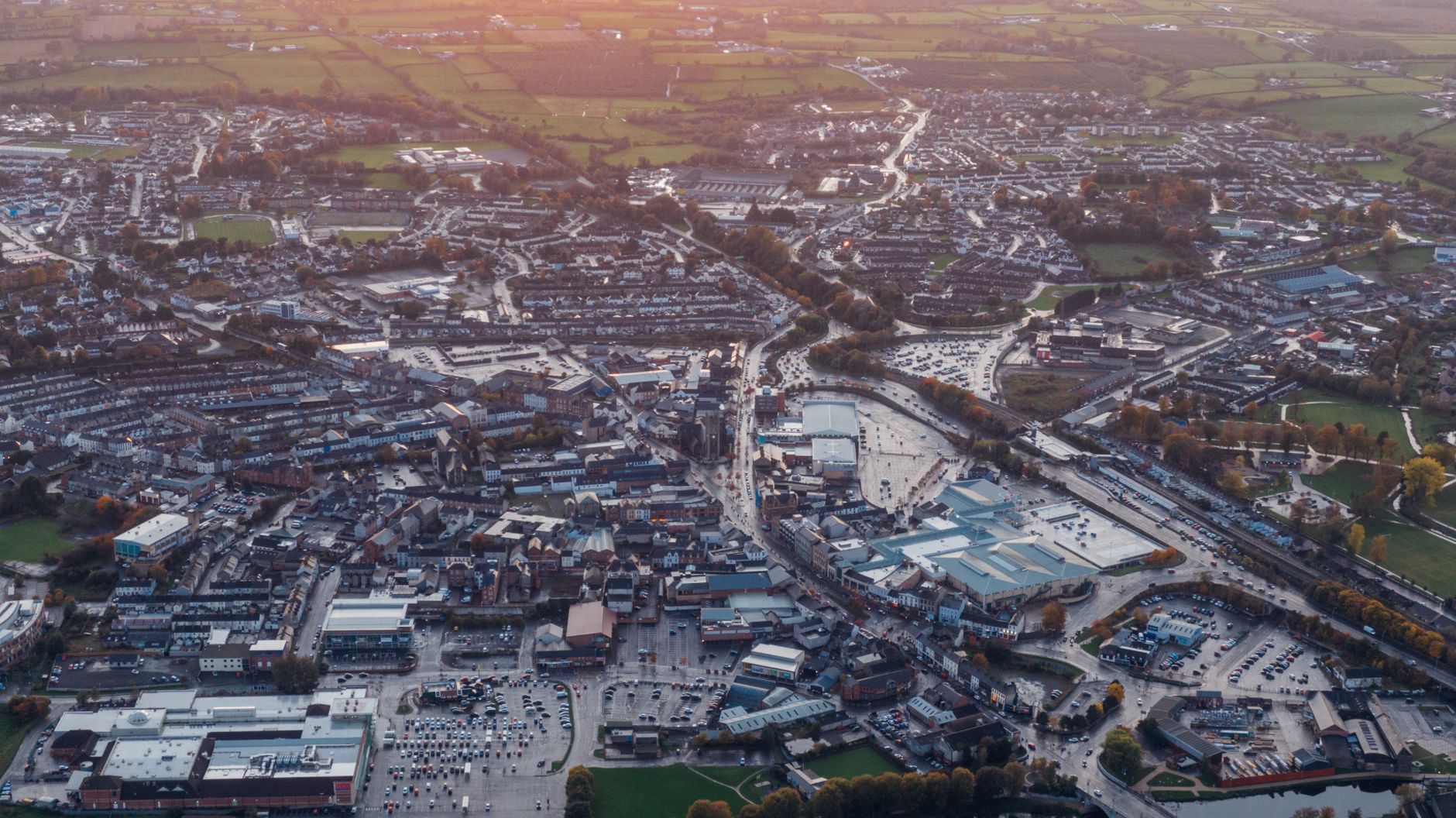

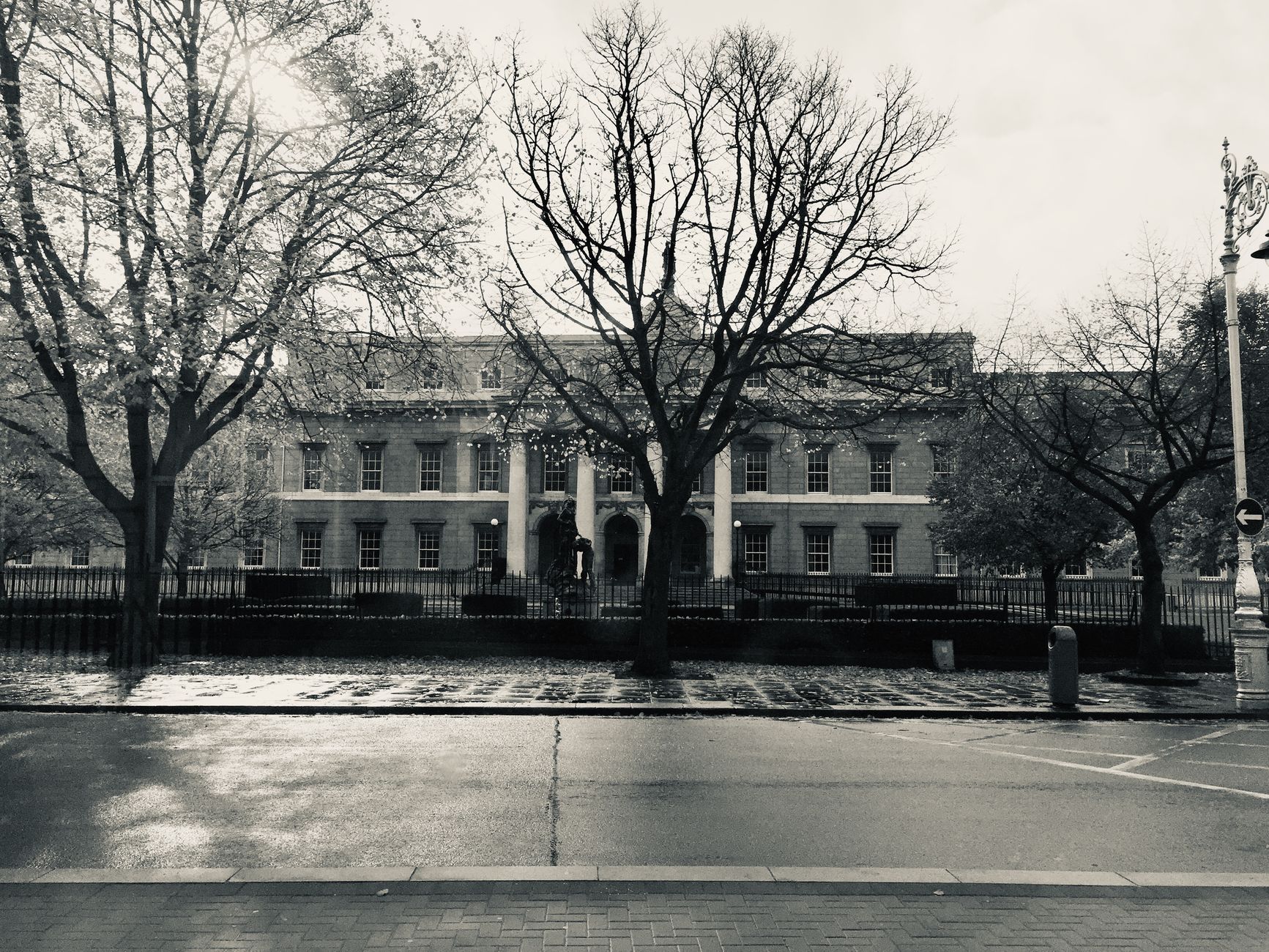
Wrexham sits twelve miles south of Chester, reachable by train in fifteen minutes or from Liverpool in under an hour. The town is known for the sixteenth-century tower of St Giles' Church, a legacy of brewing and coal, and the dramatic Pontcysyllte Aqueduct nearby. It is an unvarnished border town where daily life moves at a sensible pace. Wrexham is worth visiting if you want historic pubs, industrial canal walks along the Dee Valley, and straightforward Welsh hospitality. Look elsewhere if you want manicured resort streets, upscale shopping, a thriving late-night club scene, or a dense cluster of all-weather indoor attractions.
Last updated 7 Sept 2026
Build a Wrexham itinerary.
Choose up to 4 threads that pull you in. Your plan arrives organised around them.
The Bed
Where to stay in Wrexham
Which part of town to book, and what each one costs you in walking, noise or quiet.
The Comparison
Wrexham, or somewhere near it
The places you are realistically choosing between, and the honest case for each.
The Local Record
Where to read more about Wrexham
The blogs, boards, guides and operators worth bookmarking.
What to do in Wrexham Wales United Kingdom
Wrexham is a compact market settlement centred around Hope Street and the tower of St Giles. Mornings belong to the market halls and bakeries, while afternoons naturally extend outwards toward the country parks at Erddig or along the Clywedog Trail. It suits independent walkers, industrial history buffs, and anyone who prefers down-to-earth tavern conversation over manicured tourist quarters.
24 hours in Wrexham Wales United Kingdom
Start under the carved nave roof at St Giles' Church, then walk five minutes to Tŷ Pawb for a lunch of hot Welsh rarebit. Spend the afternoon taking the ten-minute bus south to walk the iron trough of Pontcysyllte Aqueduct. Return for a pint of cold Wrexham Lager and a pie on High Street. Select 1 Day above to see it.
2 days in Wrexham Wales United Kingdom
Dedicate your morning to Erddig, walking the two miles south to explore its walled kitchen garden and servants' hall. Head into the Dee Valley for an afternoon in Llangollen, where you can eat slow-simmered lamb cawl before climbing the steep footpath to Castell Dinas Brân at dusk. Choose 2 Days to expand the plan.
3 days in Wrexham Wales United Kingdom
Follow the Clywedog Trail from the limestone uplands at Minera Lead Mines down through the quiet woods of Bersham. Finish with an afternoon tour of Chirk Castle on the border, followed by a well-earned dinner of salt-aged Welsh beef at an unhurried village pub in the Ceiriog Valley.
Wrexham Wales United Kingdom itineraries by interest
Sacred Architecture in Wrexham Wales United Kingdom
Climb the 135-foot sixteenth-century tower of St Giles' Church on Church Street and visit the tomb of Yale University benefactor Elihu Yale.
Local Beer in Wrexham Wales United Kingdom
Taste historic Wrexham Lager brewed since 1882, alongside cask ales from local microbreweries like Magic Dragon poured in traditional border taverns.
Canal Walks in Wrexham Wales United Kingdom
Walk the towpath 126 feet above the River Dee across Thomas Telford's 1805 cast-iron Pontcysyllte Aqueduct in nearby Trevor Basin.
Country Estates in Wrexham Wales United Kingdom
Tour Erddig hall to see preserved domestic quarters and 18th-century portraits celebrating working servants across its 1,200-acre parkland.
Markets & Produce in Wrexham Wales United Kingdom
Browse the General and Butchers Markets on Henblas Street for warm Welsh cakes, bara brith, local sheep cheeses, and salt-aged border beef.
Industrial Heritage in Wrexham Wales United Kingdom
Explore the 19th-century Bersham Ironworks in the Clywedog Valley, where John Wilkinson cast cylinders for James Watt's early steam engines.
Historic Castles in Wrexham Wales United Kingdom
Visit thirteenth-century Chirk Castle, a medieval border fortress with preserved state rooms, manicured gardens, and views across the Ceiriog Valley.
Traditional Food in Wrexham Wales United Kingdom
Order traditional Welsh rarebit with Caerphilly cheese, hot cawl lamb broth, and flaky meat pies at independent cafes along High Street.
Day Trips in Wrexham Wales United Kingdom
Take the short bus to Llangollen for heritage steam railways, the Horseshoe Pass, and quiet walking routes beneath the ruins of Castell Dinas Bran.
Hiking in Wrexham Wales United Kingdom
Hike the Offa's Dyke Path along the ancient Anglo-Welsh border or follow the Clywedog Trail from Minera Lead Mines down to King's Mills.
Sports Culture in Wrexham Wales United Kingdom
Stand on the terraces at the Racecourse Ground on Mold Road, the world's oldest international football stadium still in continuous use.
Visual Arts in Wrexham Wales United Kingdom
Visit Tŷ Pawb on Market Street, a community arts and cultural centre housing galleries, independent artisan stalls, and open performance spaces.