Xakanaxa.
Build an itinerary based on what interests youLocated in Moremi Game Reserve roughly 140 kilometres north of Maun—four hours by 4x4 or twenty minutes by bush flight—Xakanaxa sits where permanent Okavango swamp meets mopane woodland. It is known for boat safaris through papyrus channels and dense leopard populations. Xakanaxa is worth visiting if you want boat-based wildlife viewing alongside classic open-vehicle game drives. Look elsewhere if you want paved roads, self-catering grocery shops, or urban amenities.
Last updated 24 Sept 2026
Field notes
Photographs · Wikimedia Commons / Pexels



Build a Xakanaxa itinerary.
Choose up to 4 threads that pull you in. Your plan arrives organised around them.
The Bed
Where to stay in Xakanaxa
Which part of town to book, and what each one costs you in walking, noise or quiet.
The Comparison
Xakanaxa, or somewhere near it
The places you are realistically choosing between, and the honest case for each.
The Local Record
Where to read more about Xakanaxa
The blogs, boards, guides and operators worth bookmarking.
What to do in Xakanaxa North-West District Botswana
Xakanaxa functions without a conventional town centre, revolving entirely around its boat station, public campsites, and a cluster of established safari lodges. Life here follows the sun: early morning game drives through riverine forest, midday rest during the heat, and late-afternoon boat runs on the channels. It suits self-sufficient 4x4 travellers and lodge guests eager to see Okavango wildlife from both land and water.
24 hours in Xakanaxa North-West District Botswana
Head out at dawn for a three-hour drive across Dead Tree Island to spot hunting wild dogs. Return for a hearty camp brunch of eggs and warm vetkoek, rest through midday, then take a two-hour sunset boat cruise from the main boat station into the lagoon. Select 1 Day above to see it.
2 days in Xakanaxa North-West District Botswana
Drive northeast toward Fourth Bridge and the Khwai floodplains, navigating sand tracks to find lions resting under sausage trees. Dine on potjie stew simmered over coals, followed by quiet hours by the fire observing nocturnal genets. Choose 2 Days to expand the plan.
3 days in Xakanaxa North-West District Botswana
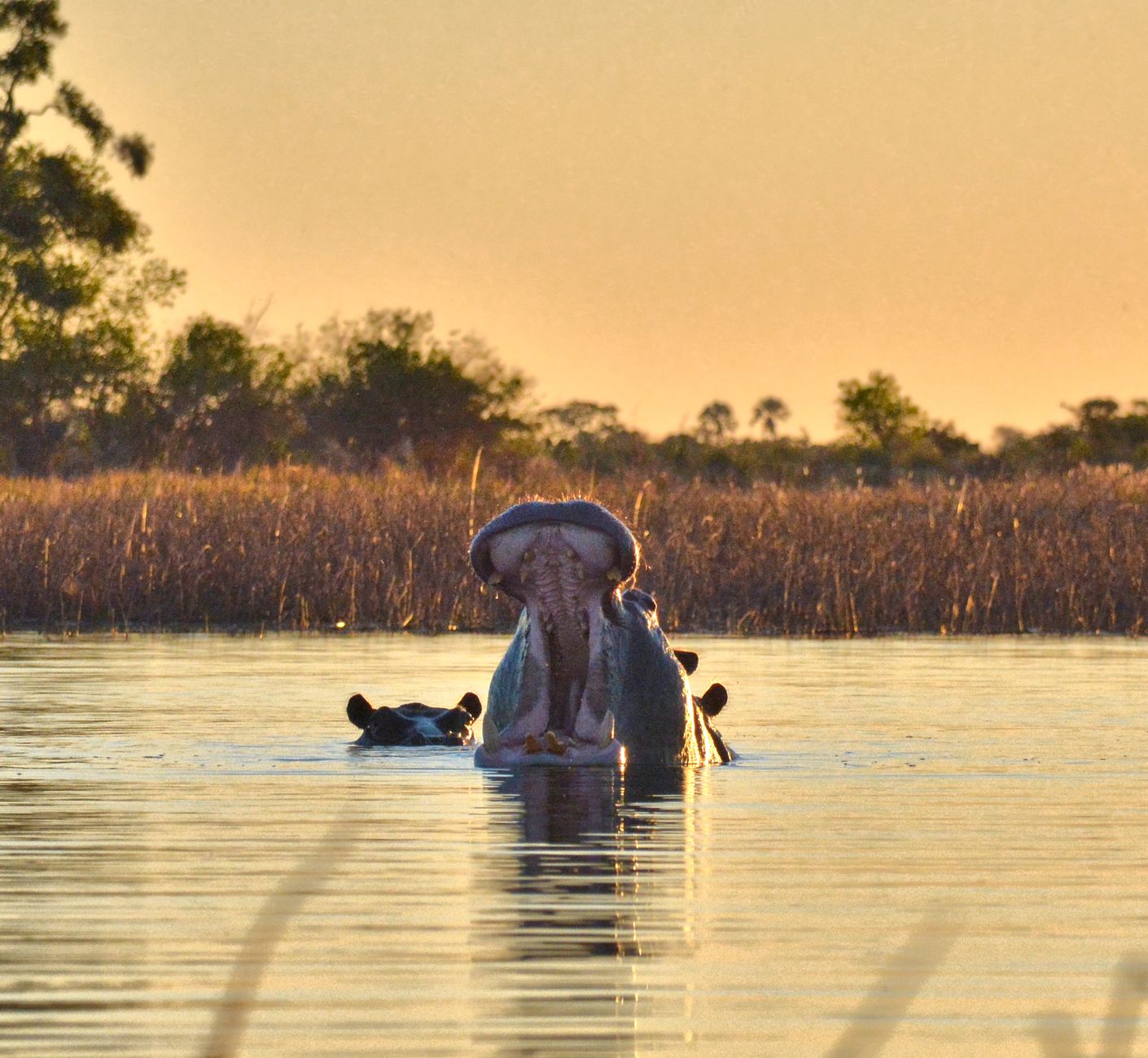
Take a slow full-day boat expedition into the deeper channels of the Okavango toward Gadikwe Lagoon to visit breeding heronries. Pack a cold lunch of cured biltong and fresh fruit to eat aboard while drifting past undisturbed hippo pods.
Xakanaxa North-West District Botswana itineraries by interest
Water Safaris in Xakanaxa North-West District Botswana
Board aluminium skiffs at Xakanaxa Boat Station to navigate deep papyrus channels and reed beds toward the open waters of Xakanaxa Lagoon.
Wildlife Tracking in Xakanaxa North-West District Botswana
Track leopards, wild dogs, and breeding herds of elephants across the mopane tongue and acacia woodlands with experienced local trackers.
Birdwatching in Xakanaxa North-West District Botswana
Scan the lagoon fringes and riverine forest for Pel's fishing owls, African skimmers, wattled cranes, and slaty egrets with high-power binoculars.
Off-Road Driving in Xakanaxa North-West District Botswana
Engage low-range 4WD to tackle water crossings, deep Kalahari sand ridges, and mud wallows along the tracks skirting Dead Tree Island.
Camp Cooking in Xakanaxa North-West District Botswana
Taste camp-fire cooking such as slow-braised seswaa beef and maize-meal pap prepared over mopane wood coals in traditional iron potjies.
Wild Camping in Xakanaxa North-West District Botswana
Pitch canvas tents at public campsite sites 1 through 8, listening to hippos grazing and hyenas calling right outside your unfenced canvas.
Wetland Ecology in Xakanaxa North-West District Botswana
Examine water lilies, seasonal flood pulses, termite mound islands, and pristine peat filtration systems across the eastern delta reaches.
Sunset Views in Xakanaxa North-West District Botswana
Pause at Dead Tree Island at dusk to watch waterbirds roost against skeletal submerged leadwood trees and burning orange delta reflections.
Aviation in Xakanaxa North-West District Botswana
Fly into the dirt Xakanaxa airstrip on single-engine Cessna 206s or Caravans, spotting elephant herds and winding channels from low altitude.
Local Guiding in Xakanaxa North-West District Botswana
Learn generational tracking lore, animal behaviour cues, and Setswana plant remedies from local community guides licensed in the reserve.
Nature Photography in Xakanaxa North-West District Botswana
Capture low-angle water reflections, iridescent malachite kingfishers, and golden-hour predators with dust-protected zoom lenses on open vehicles.
Quiet Stargazing in Xakanaxa North-West District Botswana
View the Southern Cross, Magellanic Clouds, and the unpolluted Milky Way from camp clearings undisturbed by artificial light pollution.